
Foods to Avoid with Autism Diet

Many parents of autistic children explore dietary changes as a way to manage symptoms and improve quality of life. While no specific diet has been proven to treat autism, some families report improvements after eliminating certain foods. Here is what the current evidence says about popular dietary approaches for autism. The Gluten-Free, Casein-Free (GFCF) Diet […]
Autism and Food Obsession

If your child will only eat a few foods, becomes upset when a familiar brand changes, or spends much of the day asking about food, mealtimes can become stressful for the whole family. You may wonder whether this is typical picky eating, part of autism, or something that needs more support. Strong food preferences and […]
Routines & Rituals in Autism: Coping Skill or Obsession?

Routines and rituals in autism often give comfort but can feel restrictive. Learn why they matter and how to support your child through change.
Top Autism Savant Examples and Extraordinary Skills
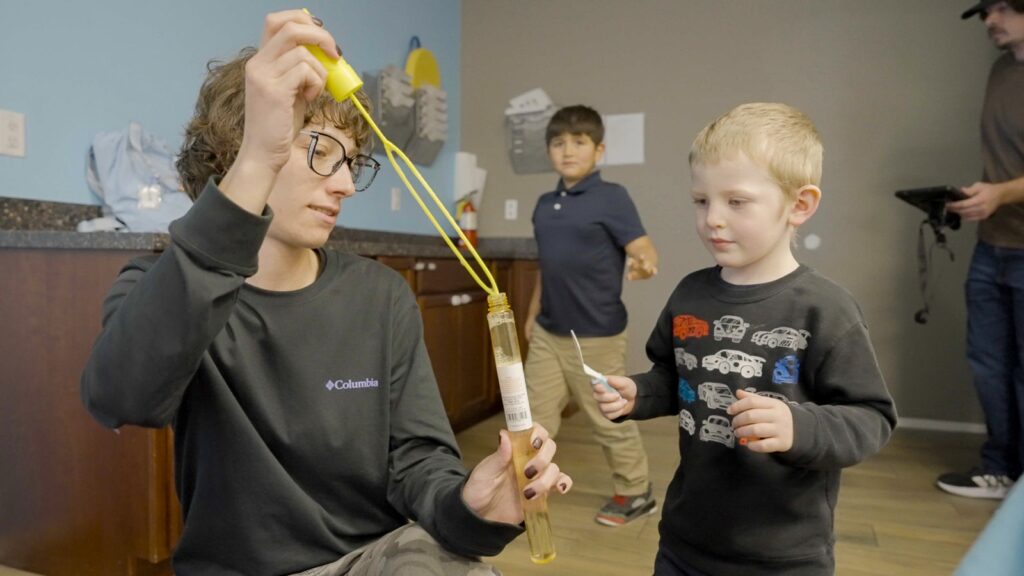
Explore autism savant examples showcasing remarkable skills, from perfect pitch to photographic memory, and the limitless potential of the mind.
ABA Therapy Techniques for Nonverbal Children 9a9ad
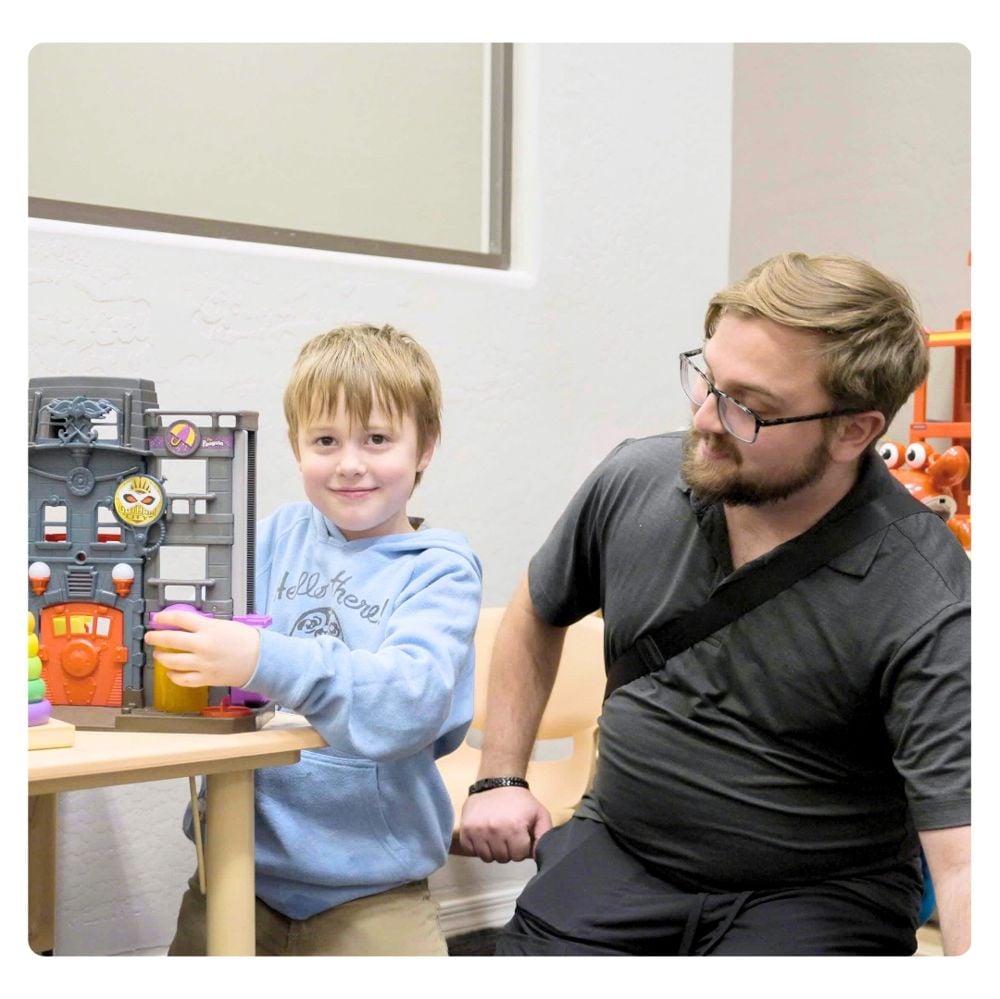
ABA therapy is highly effective for nonverbal children with autism, focusing on building functional communication through whatever modality works best for each child. Being nonverbal does not mean a child cannot communicate. Communication Approaches PECS: Picture Exchange Communication System teaches children to exchange picture cards for desired items, building from simple requests to complex sentences […]
Creating a Successful Behavior Intervention Plan: Best Practices for ABA Therapists

When a child is struggling with challenging behaviors, it can be frustrating for everyone involved—especially when it isn’t clear why the behavior keeps happening or what will actually help. Simply responding to what the behavior looks like may not address what is driving it. A Behavior Intervention Plan (BIP) is a structured, written document that […]
High Functioning Autism Eye Contact

Difficulty with eye contact is one of the most recognized features of autism. For individuals with higher support needs, understanding why eye contact is challenging and finding workable strategies is important for both social navigation and self-acceptance. Why Eye Contact Is Difficult Sensory overload: Eye contact can feel physically intense or overwhelming Processing interference: Looking […]
Signs of Autism in Adult Women

Autism in women has been dramatically underdiagnosed for decades. Research suggests that for every three males diagnosed with autism, only one female is diagnosed, but the actual ratio may be closer to 2:1 or even lower. Many women reach adulthood without a diagnosis, having spent years wondering why they feel fundamentally different from their peers. […]
Country with Highest Rate of Autism
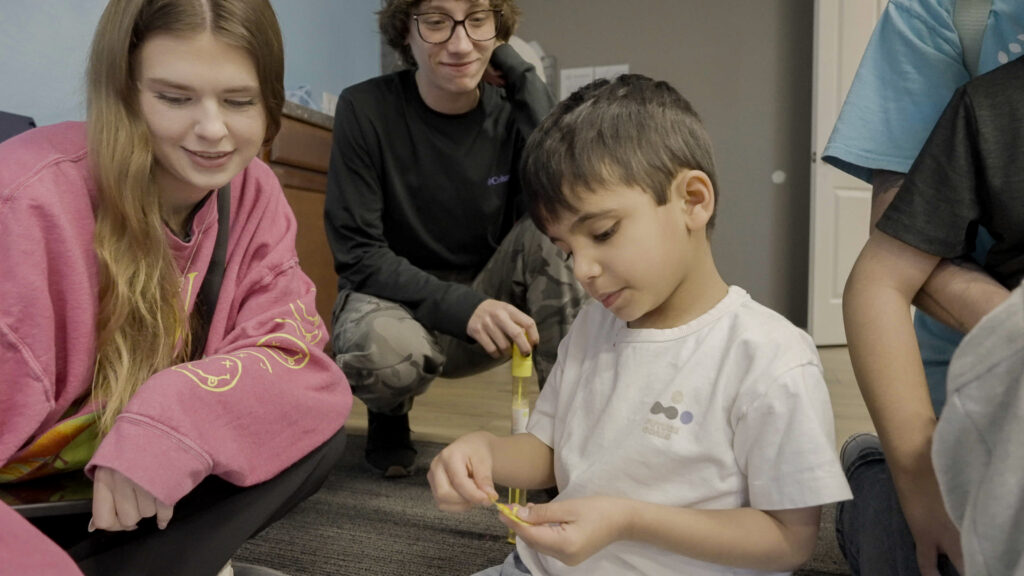
Autism prevalence rates vary dramatically between countries, but these differences tell us more about diagnostic practices and awareness than about actual rates of autism in the population. Understanding why these numbers differ is important for putting global autism data in context. Countries with the Highest Reported Autism Rates Based on available data, countries with the […]
How Early Can Autism Be Diagnosed

Autism can be reliably diagnosed as early as 18 to 24 months. The American Academy of Pediatrics recommends universal screening at 18 and 24 months, but many children are not diagnosed until age 4 or later, missing a critical window for early intervention. Early Signs in Infants Before 18 months, some behavioral markers may be […]