
Sensory Diet
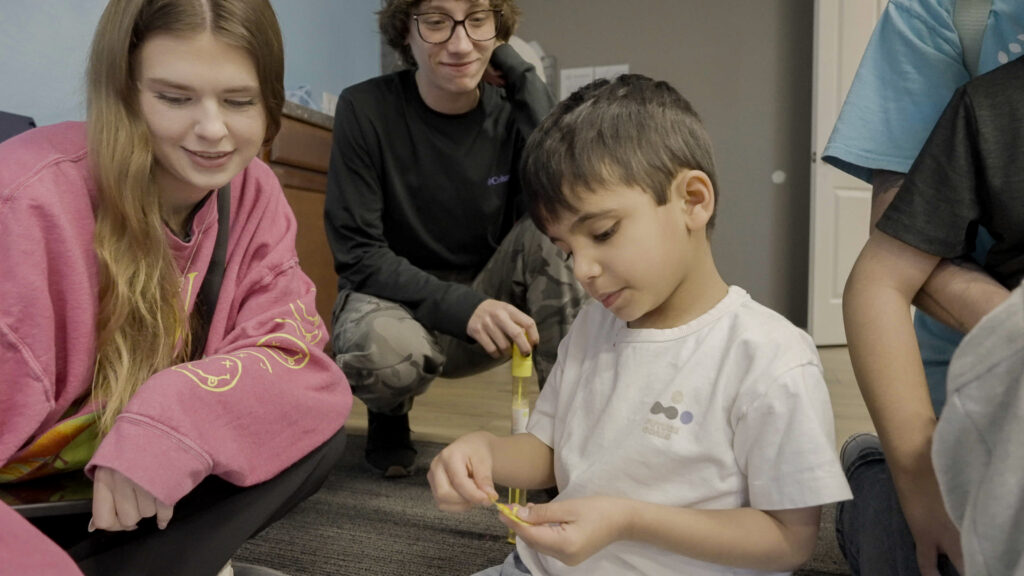
A sensory diet is a personalized plan of physical and sensory activities designed to help an individual with autism maintain optimal arousal and regulation throughout the day. Unlike a food diet, a sensory diet prescribes specific types of sensory input at strategic times. How Sensory Diets Work The nervous system needs a balance of stimulating […]
Autism Iq
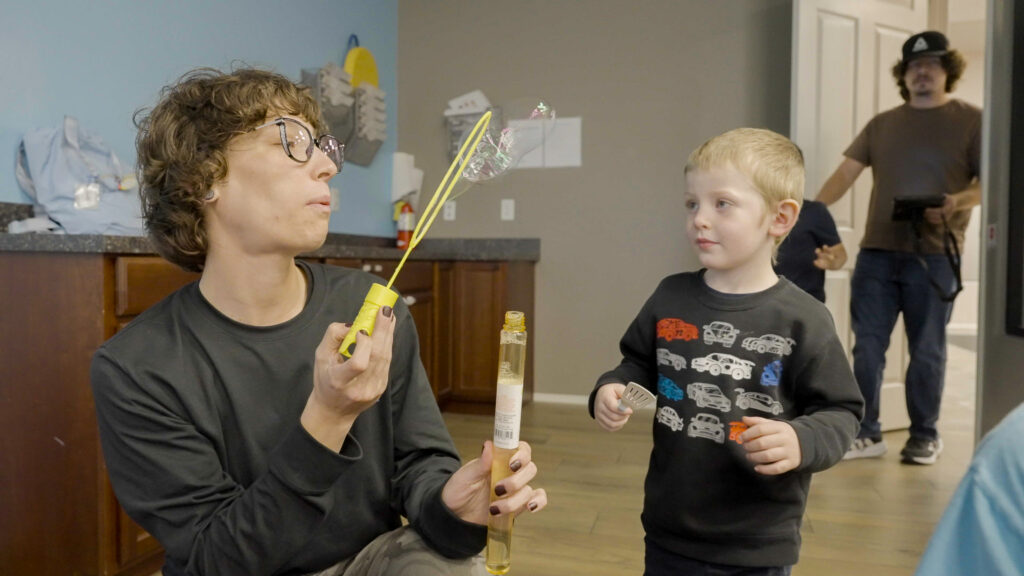
The relationship between autism and intelligence is one of the most misunderstood aspects of the spectrum. Outdated statistics and stereotypes have created two conflicting images: the autistic genius and the intellectually disabled individual. The reality is far more diverse. IQ Distribution in Autism Autistic individuals span the full range of intellectual ability. Current research suggests: […]
Double Empathy Problem
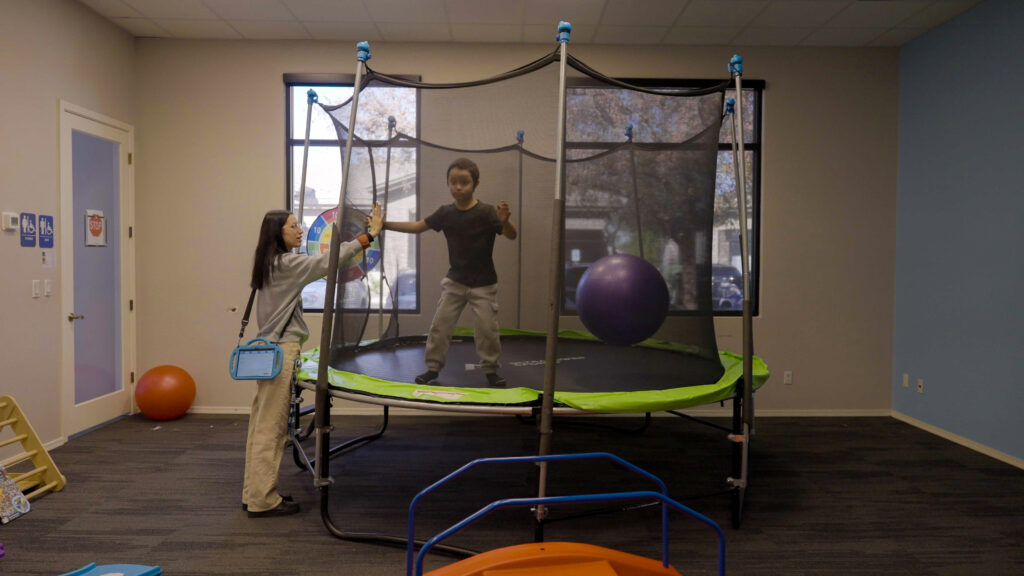
The double empathy problem, proposed by researcher Dr. Damian Milton in 2012, fundamentally challenges the long-held assumption that autistic people lack empathy or social understanding. Instead, it frames communication difficulties as a two-way problem. What the Theory Says Traditional autism theory suggested that autistic people have a deficit in “theory of mind,” the ability to […]
Signs of Autism in Four Year Old

At four years old, the expectations for social interaction, communication, and play become more complex, often making autism signs more visible. Recognizing these signs early leads to earlier intervention and better outcomes. Social Signs to Watch Four-year-olds are typically interested in playing with other children, taking turns in games, and sharing experiences. Autistic four-year-olds may […]
Energy Efficient Solutions for Autism Support
Sensory-friendly environments reduce the neurological burden on autistic individuals, allowing them to focus, learn, and participate more fully in daily activities. These design principles benefit homes, schools, workplaces, and public spaces. Lighting Design Replace flickering fluorescent tubes with steady LED lighting. Choose warm color temperatures (2700-3000K) for living spaces and slightly cooler tones (3500-4000K) for […]
Sports for Children with Autism
Sports and physical activities offer tremendous benefits for children with autism, from improving motor skills and sensory regulation to building social connections and self-confidence. The key is finding the right activity that matches your child’s interests, sensory profile, and comfort level. Why Sports Matter for Children with Autism Regular physical activity helps all children, but […]
Facing Autism Parenting Challenges
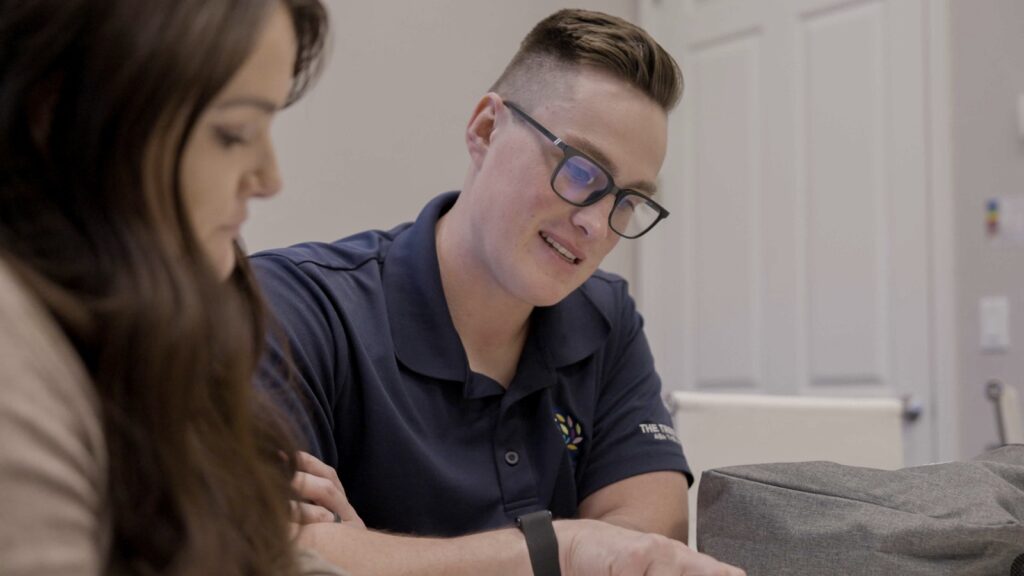
If parenting your autistic child feels harder some days than anyone around you seems to understand, you’re not imagining the challenges you’re facing. Parenting a child with autism can bring real joys—but also real challenges, and acknowledging the difficult parts without guilt can make it easier to find the support and strategies your family needs. […]
Best Online Courses
Quality online courses about autism provide accessible education for parents, teachers, therapists, and anyone wanting to better understand and support autistic individuals. Here are some of the most valuable options available. For Parents and Families The Autism Science Foundation offers free webinars covering research updates and practical strategies. Autism Speaks provides an online 100 Day […]
ABA Therapy Strategies for Managing Meltdowns 650fb
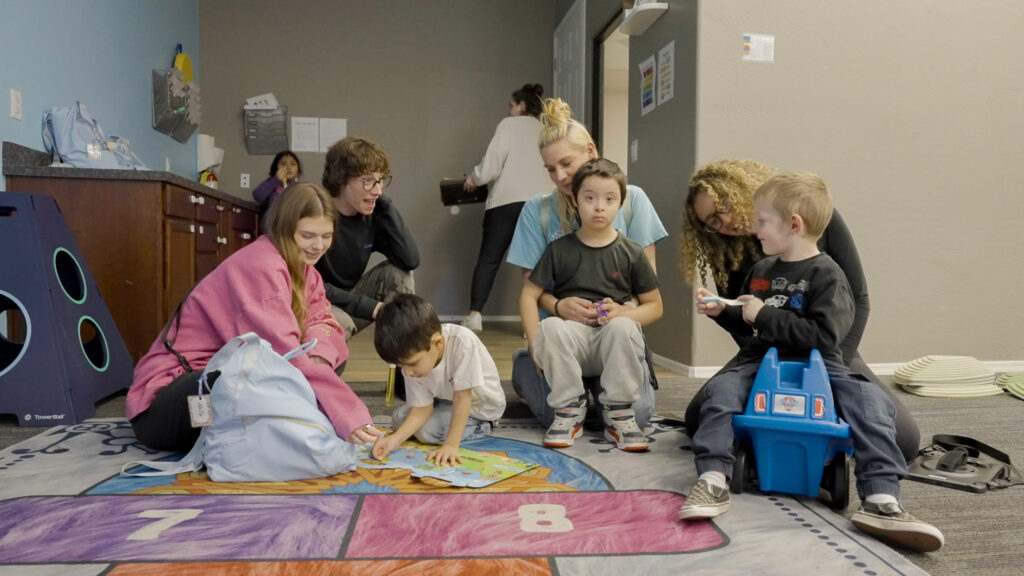
Meltdowns are one of the most challenging aspects of autism for both the individual experiencing them and their caregivers. ABA therapy provides a structured approach to understanding, preventing, and managing meltdowns effectively. Meltdowns vs. Tantrums A meltdown is not a tantrum. Tantrums are goal-directed behaviors, often stopping when the child gets what they want. Meltdowns […]
Causes of Autism Spectrum Disorder
Autism spectrum disorder results from a complex combination of genetic factors, brain development differences, and, to a lesser extent, environmental influences. No single cause has been identified, and for most individuals, autism likely results from the interaction of multiple factors. Genetic Factors Genetics account for an estimated 60-90% of autism risk. Twin studies show high […]