
Double Empathy Problem
The double empathy problem, proposed by researcher Dr. Damian Milton in 2012, fundamentally challenges the long-held assumption that autistic people lack empathy or social understanding. Instead, it frames communication difficulties as a two-way problem. What the Theory Says Traditional autism theory suggested that autistic people have a deficit in “theory of mind,” the ability to […]
Do Vegetables Cause Autism

Vegetables do not cause autism. This question likely stems from broader concerns about pesticides on produce, though even those concerns are not supported by evidence linking them to autism. Where This Idea Comes From Some versions of this claim focus on pesticide residues found on conventionally grown vegetables. Others relate to specific compounds found in […]
Is Autism a Neurological Disorder
Autism is classified as a neurodevelopmental disorder, meaning it involves differences in brain development that are present from early life. While some debate exists about the language of “disorder,” the neurological basis of autism is well established. The Neurological Evidence Brain imaging studies consistently show structural and functional differences in autistic brains. These include altered […]
Behavior Intervention Plan
A Behavior Intervention Plan (BIP) is a written document that outlines specific strategies for addressing challenging behaviors. It is developed based on the results of a Functional Behavior Assessment and serves as the roadmap for consistent behavior support. Components of a BIP A comprehensive BIP includes a clear description of the target behavior, the hypothesized […]
Signs of Autism in Four Year Old
At four years old, the expectations for social interaction, communication, and play become more complex, often making autism signs more visible. Recognizing these signs early leads to earlier intervention and better outcomes. Social Signs to Watch Four-year-olds are typically interested in playing with other children, taking turns in games, and sharing experiences. Autistic four-year-olds may […]
Creating Safe and Engaging Environments for Student Success
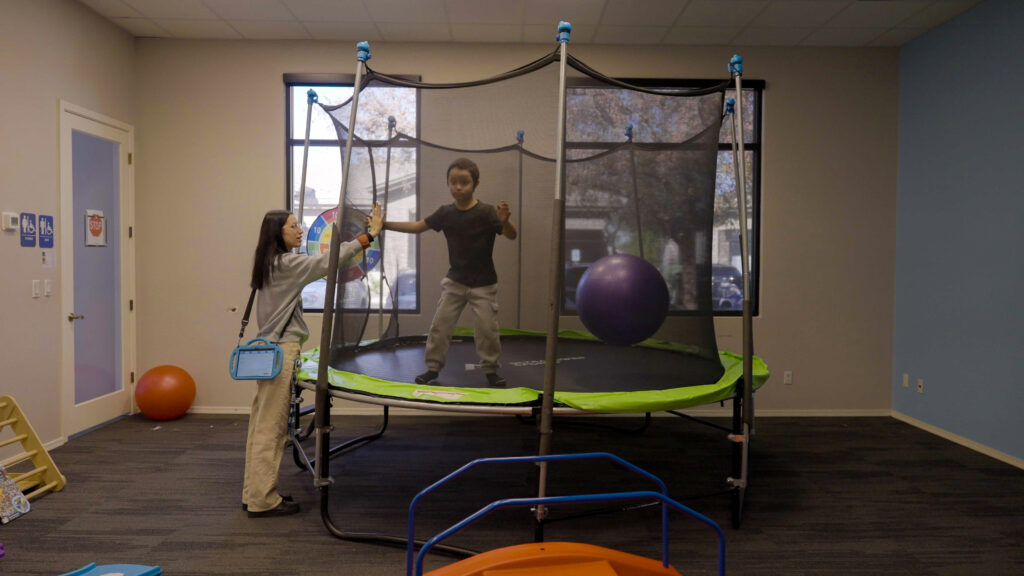
The learning environment significantly impacts academic success and emotional wellbeing for autistic students. Thoughtful classroom design and proactive support strategies create spaces where all students can thrive. Physical Environment Reduce visual clutter on walls and surfaces. Organize materials in labeled, consistent locations. Provide flexible seating options including standing desks, wobble stools, and quiet corners. Use […]
Do Toxins Cause Autism
The relationship between environmental toxins and autism is an active area of research. While some chemical exposures during pregnancy have been associated with modestly increased risk, no toxin has been shown to independently cause autism. What Research Has Found Air pollution, particularly fine particulate matter and traffic-related pollutants, has shown the most consistent association with […]
Energy Efficient Solutions for Autism Support
Sensory-friendly environments reduce the neurological burden on autistic individuals, allowing them to focus, learn, and participate more fully in daily activities. These design principles benefit homes, schools, workplaces, and public spaces. Lighting Design Replace flickering fluorescent tubes with steady LED lighting. Choose warm color temperatures (2700-3000K) for living spaces and slightly cooler tones (3500-4000K) for […]
Autism and Autism Spectrum Disorder
The terms “autism” and “autism spectrum disorder” (ASD) are used interchangeably in modern clinical practice. Understanding the terminology and how it has evolved helps families navigate conversations with providers, educators, and the broader community. Current Terminology Autism spectrum disorder (ASD) is the official diagnostic term in the DSM-5, encompassing the full range of autism presentations. […]
How Do I Get an Autism Waiver in Marietta
Families in Marietta, Georgia can access additional autism-related services through Medicaid waiver programs. These waivers provide funding for supports that go beyond what standard Medicaid or private insurance covers. Available Waivers Georgia offers the NOW (New Options Waiver) and COMP (Comprehensive Supports Waiver) programs for individuals with developmental disabilities including autism. NOW supports community-based living […]