
How ABA Therapy Shapes Your Childs Future the Lifelong Impact of Early Intervention
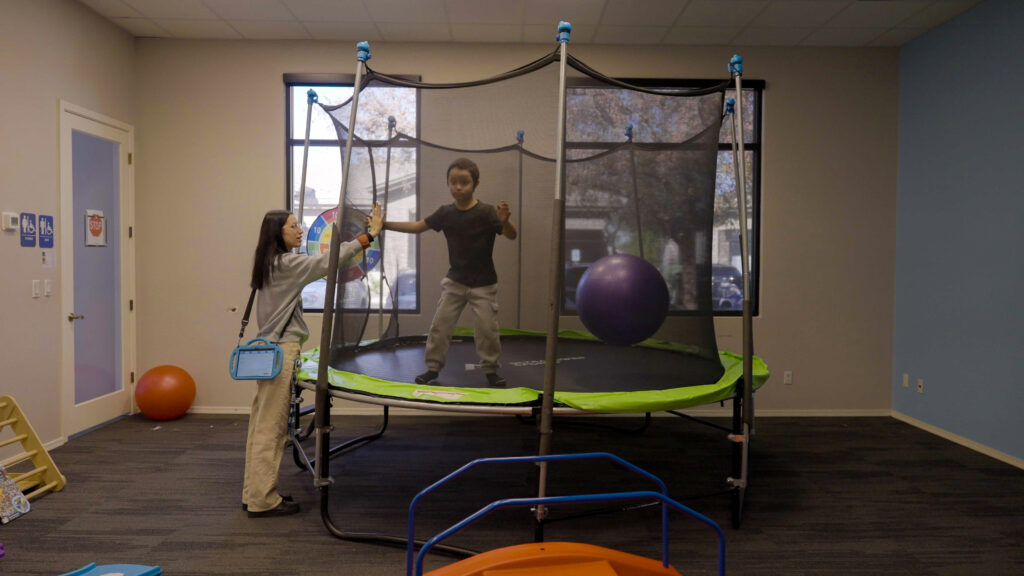
The Science of Early Intervention Research consistently demonstrates that early, intensive ABA therapy produces significant, lasting improvements for autistic children. A landmark 1987 study by Dr. O. Ivar Lovaas found that 47 percent of children who received intensive early ABA therapy achieved normal intellectual and educational functioning. Subsequent studies have confirmed that children who begin […]
Autism and the 2024 Presidential Election
Autism Policy in Campaign Discourse The 2024 presidential election saw limited direct discussion of autism-specific policy, though broader healthcare, disability, and education platforms had significant implications for the autism community. Both major party candidates addressed aspects of healthcare coverage, special education funding, and disability rights, which directly affect access to autism services. Autism advocacy organizations […]
Does Antidepressants Cause Autism
What Research Shows Several studies have examined whether prenatal exposure to antidepressants, particularly SSRIs (selective serotonin reuptake inhibitors), is associated with increased autism risk. Some studies have reported modest associations, while others have found no significant link after controlling for confounding factors. A large 2017 JAMA study involving over 1.5 million Swedish children found that […]
How Do You Become an Autism Support Teacher

Educational Requirements Becoming an autism support teacher typically requires a bachelor’s degree in special education, education with a special education concentration, or a related field. Many states require a master’s degree for special education positions, or offer alternative certification pathways that include graduate coursework. Specific coursework in autism spectrum disorders, applied behavior analysis, assessment methods, […]
Is Autism Common

Current Prevalence Data According to the CDC’s most recent data, approximately 1 in 36 children in the United States is diagnosed with autism spectrum disorder. This makes autism one of the most common neurodevelopmental conditions. The rate has increased significantly from earlier estimates: 1 in 150 in 2000, 1 in 68 in 2012, 1 in […]
Autism Animal Assisted Therapy
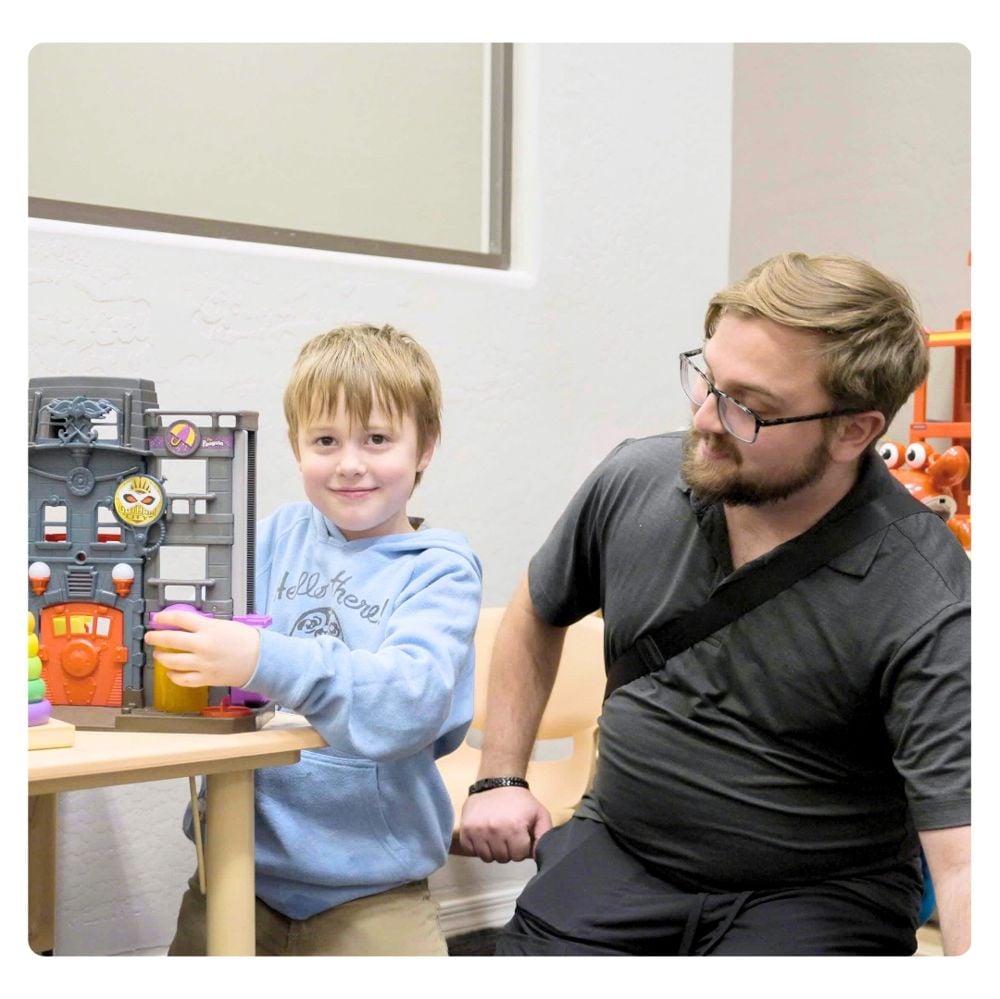
What Is Animal-Assisted Therapy? Animal-assisted therapy (AAT) involves incorporating trained animals into therapeutic interventions to improve social, emotional, cognitive, or physical functioning. For autistic individuals, AAT most commonly involves dogs, horses (equine-assisted therapy), and sometimes smaller animals like rabbits or guinea pigs. AAT is delivered by a licensed therapist who uses the animal as a […]
Can Elderly People with Autism Need Home Care
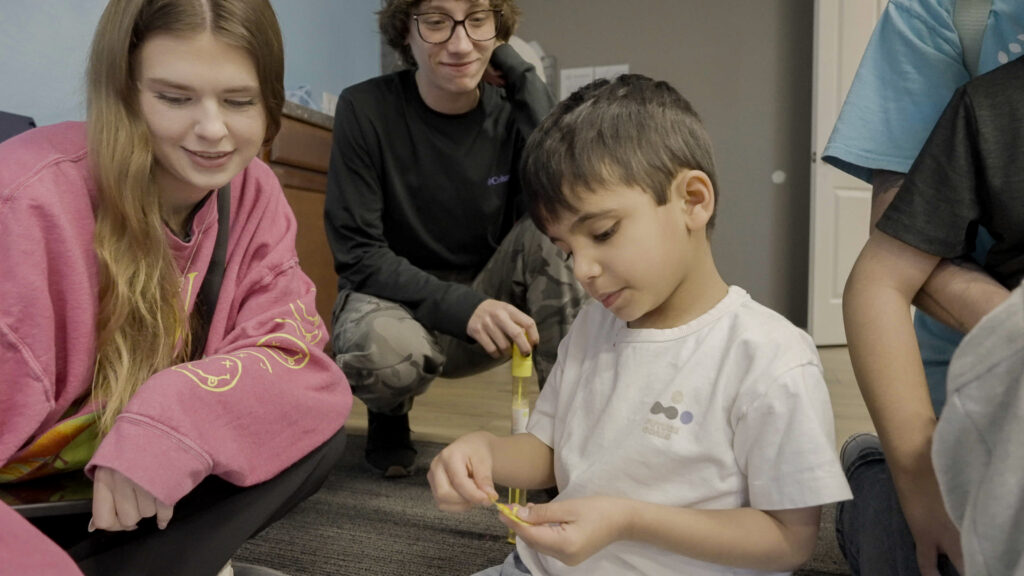
Aging and Autism As the first generation of formally diagnosed autistic individuals reaches older adulthood, the intersection of aging and autism is gaining attention. Autistic adults face the same age-related challenges as everyone, including declining physical health, cognitive changes, and reduced social networks, but these challenges interact with autism in unique ways. Sensory sensitivities may […]
Types of Therapy for Autism
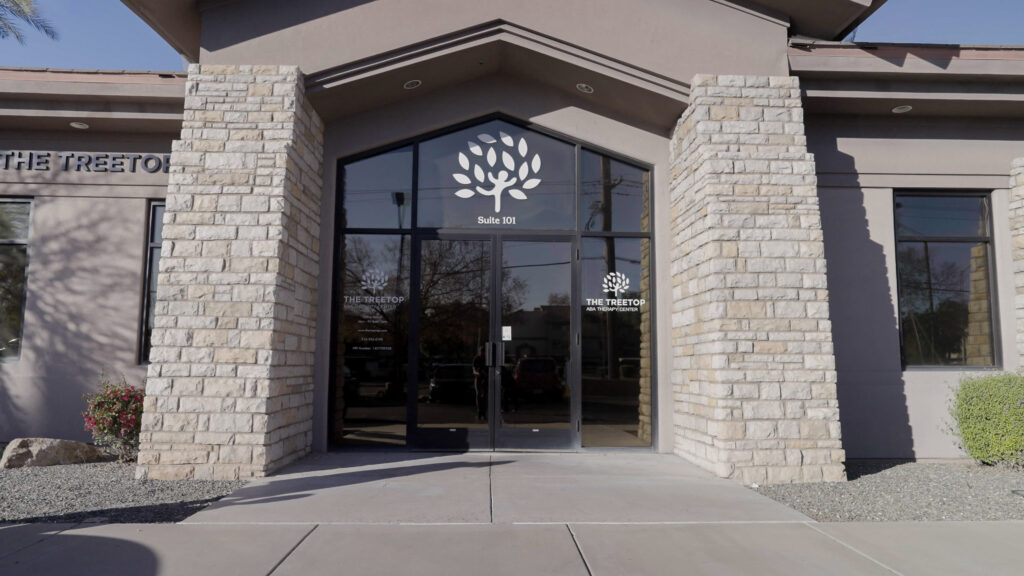
Applied Behavior Analysis (ABA) ABA is the most researched autism therapy, using behavioral principles to teach skills and reduce challenging behaviors. It is individualized, data-driven, and delivered by certified professionals. ABA addresses communication, social skills, daily living, and academic readiness. Intensive early ABA (25-40 hours per week) shows the strongest outcomes. Treetop ABA Therapy provides […]
Does Tv Cause Autism
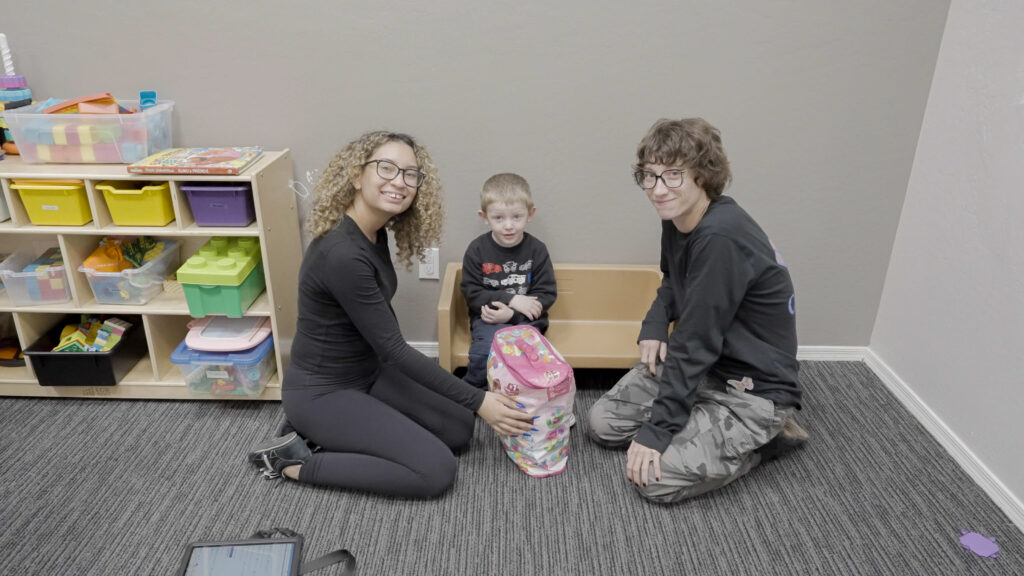
Television Does Not Cause Autism There is no scientific evidence that watching television causes autism. Autism is a neurodevelopmental condition with strong genetic roots that originates during prenatal brain development, long before a child encounters a screen. A widely publicized 2006 study by economists at Cornell suggested a correlation between TV viewing and autism rates, […]
Comorbid Psychiatric Disorders in Autism
Prevalence of Co-Occurring Conditions Research indicates that approximately 70 percent of autistic individuals have at least one co-occurring psychiatric condition, and 40 percent have two or more. The most common include anxiety disorders (40-70%), ADHD (30-60%), depression (20-40%), OCD (17-37%), and sleep disorders (50-80%). These rates are significantly higher than in the general population. Recognition […]