
You did the calls, the paperwork, and the waiting. Now there’s a date on the calendar, and you’re wondering what actually happens at your child’s first ABA therapy session.
The first visit is usually an assessment, not a therapy session. A Board Certified Behavior Analyst (BCBA) gets to know your child, watches them play, and asks you a lot of questions. Then they write a treatment plan that you review together. When regular sessions start, the first ones often look a lot like play, because building trust comes first.
The road from first call to first session
How starting ABA usually goes
Every provider is a little different. This is the general shape.
Before anything starts
Expect some paperwork and a benefits check. Most insurance plans need a copy of your child’s diagnosis report, and many need a prior authorization before services begin. At Treetop, our team handles the insurance check for you, so you know what’s covered before anything starts.
The assessment
The assessment is led by a BCBA, a behavior analyst with a graduate-level certification who designs your child’s therapy.1 It can take a few hours and is sometimes split across two visits. It usually includes:
- Skill checks across areas like communication, play, social skills, and self-care, often using standard assessment tools.
- Finding what your child loves, like favorite toys, snacks, or activities, which helps make learning fun later.
- Watching for patterns if certain behaviors make daily life hard, like what tends to happen right before them.
- A parent interview. Your knowledge is real information, not small talk. Share routines, sleep, eating, school, and what you most want to change.
The ABA assessment looks at your child’s skills and needs so the BCBA can build a plan. It’s a different process from the autism evaluation, which is done by a qualified specialist, and it doesn’t diagnose.2
The first sessions look a lot like play
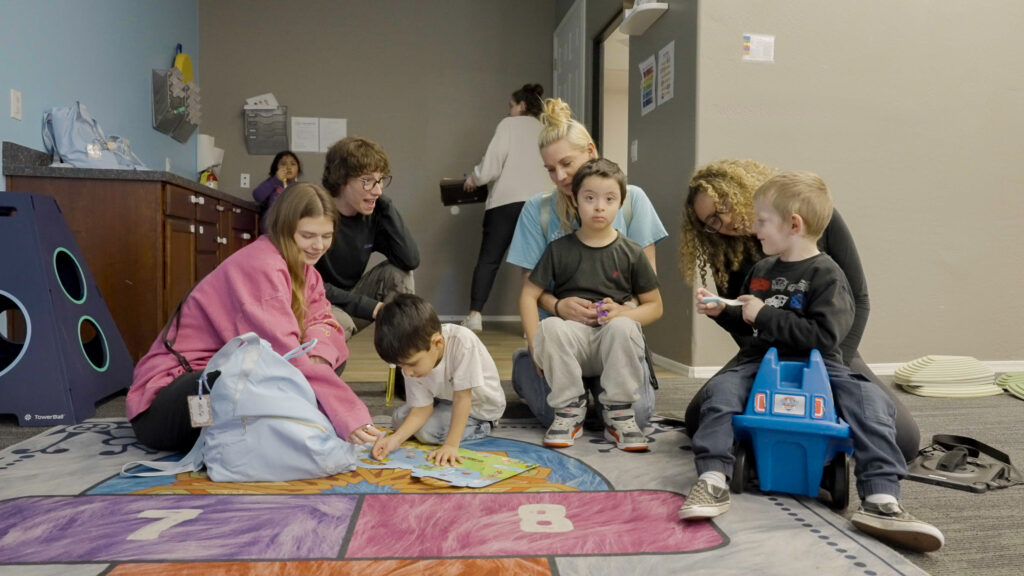
Here’s what surprises most parents. Once regular sessions begin, your child’s behavior technician may spend the first sessions mostly playing. If your child loves trains, they’ll play trains. That’s on purpose. Kids learn best from people they trust, so the first job is becoming someone your child is happy to see.
What your child might do
Some kids jump right in. Others hang back, test limits, or have a tough time with a new place. All of these are normal, and none of them predict how therapy will go. The team is trained to meet your child where they are.
What you might feel
Relief, hope, worry, and exhaustion can all show up at once. Some parents feel emotional watching someone else connect with their child. Others wonder when the “real” therapy starts. All of it is okay. Ask questions as they come up. You’re a partner in this, not a bystander.
What sessions look like once you’re settled in
Once your child knows the team, sessions settle into a rhythm. Every plan is different, but a typical session often mixes:
- Play and connection to start, so your child is relaxed and ready.
- Short, fun practice on goals from the plan, like asking for things, taking turns, or following a routine.
- Breaks and favorite activities built in, so learning stays positive.
- Practice in real moments, like snack time, cleanup, or getting ready to leave.
- A quick update for you about how it went.
Your BCBA tracks progress on each goal and reviews it with you regularly. If something isn’t working, the plan changes. That’s how it’s supposed to work.
Questions to ask at the treatment plan meeting
- Which goals come first, and why?
- What will a typical session look like for my child?
- How will you measure progress, and when will we review it?
- What can we practice at home?
- How many hours do you recommend, and what’s that based on?
How to prepare
- Tell your child, simply, that they’re going to meet new people who like to play.
- If pictures help your child, ask if the provider can share photos of the space ahead of time.
- Bring a favorite toy, snack, or comfort item.
- Bring the diagnosis report, past evaluations, and any school plans.
- Write down your top three goals and any questions.
Don’t coach your child on how to act. The BCBA wants to see your child as they really are, because that’s what makes the plan fit.
Not there yet? If you’re still waiting on a diagnosis, our guide to getting an autism evaluation covers who to call first.
Frequently asked questions
Should I stay during the first session?
Usually, yes, for at least part of the assessment. Parents are often part of the interview and play time. The BCBA may ask you to step nearby for parts of it.
What if my child won’t cooperate?
That’s okay, and it’s useful information. BCBAs work with children who are nervous or overwhelmed all the time. The assessment may just take a little longer or need another visit.
Will my child get a diagnosis at the first ABA session?
No. The ABA assessment builds a treatment plan. A diagnosis comes from a separate autism evaluation with a qualified specialist, which insurance usually needs before ABA starts.
What if I disagree with a goal in the plan?
Say so before the plan is finalized. Your priorities matter. Ask why each goal was chosen, and a good BCBA will work with you to adjust it.
How often will we meet with the BCBA?
It varies by plan, but expect regular check-ins to review progress and update goals, plus parent training so you can use the same strategies at home.
1. The first visit is an assessment with a BCBA, not a therapy session. 2. Early sessions look like play, on purpose. Trust comes first. 3. Bring the diagnosis report, a comfort item, and your top goals.
Questions before your first visit?
Our team can check your insurance, explain each step, and help you feel ready. Treetop works with children from 18 months to 18 years, at our centers or at home, depending on where you live.
Talk to our teamOr call (855) 800-9361