
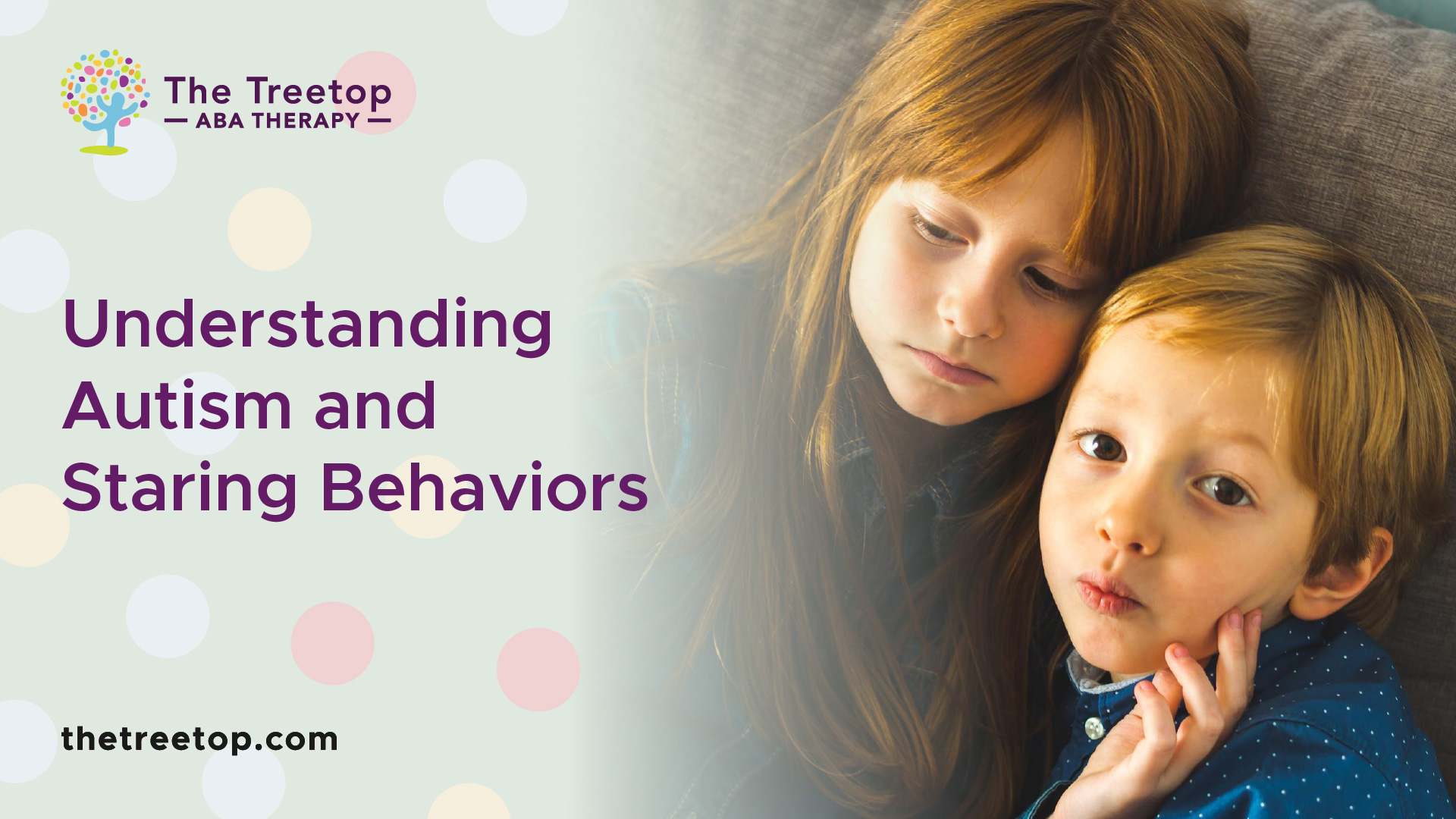
Understanding Staring Behavior
Staring behavior is a notable characteristic observed in individuals with autism. People with autism tend to avoid or have difficulty maintaining eye contact, which is related to deficits in social interactions, a core feature of autism. It’s important to note that staring behavior does not define individuals with autism, and they should be treated with respect and inclusivity.
Read about: Repetitive Behaviors And Autism: Managing And Channeling
Staring as a Characteristic in Autism
Individuals with autism often exhibit a lack of preference for direct gaze and may prioritize averted gaze, indicating an automatic avoidance of eye contact. This avoidance of eye contact can lead to misunderstandings, social challenges, feelings of self-consciousness, discomfort, anxiety, and withdrawal from social situations. It’s crucial for society to understand that staring behavior in individuals with autism is not intentional or rude; it is a manifestation of their neurodevelopmental condition.
Impact of Staring on Social Interactions
The avoidance of eye contact and staring behavior in individuals with autism can have a significant impact on social interactions. Eye contact plays a crucial role in nonverbal communication and is often considered essential for building and maintaining relationships. However, individuals with autism may struggle with reading body language and facial expressions, preferring direct language for communication. They may also repeat what others say as a way to process auditory information and engage in visible stimming behaviors during conversations to regulate sensory input.
Difficulties with eye contact can create challenges in understanding and responding to social cues, leading to potential misinterpretations and social difficulties. Autistic individuals may not display expected facial expressions or body language, making it harder for others to gauge their thoughts and feelings.
To foster better communication and understanding, it is important for neurotypical individuals to adapt their communication styles when interacting with individuals with autism. This may include using direct language, providing clear and concise instructions, and being patient and empathetic. By recognizing and accommodating these differences, we can promote more inclusive and meaningful social interactions with individuals on the autism spectrum.
Understanding the reasons behind staring behavior in autism, as well as the challenges individuals with autism face in social interactions, can help create a more accepting and inclusive society. It is essential to approach individuals with autism with empathy and understanding, focusing on their strengths and unique perspectives. By promoting understanding and acceptance, we can break down barriers and create a more inclusive world for all individuals, regardless of their neurodiversity.
Reasons for Staring in Autism
Staring behavior in individuals with autism can be attributed to various factors, each playing a role in their unique experiences. It’s important to recognize that staring is not necessarily a deliberate or negative action, but rather a manifestation of underlying characteristics and challenges. Let’s explore some of the reasons behind staring in autism: sensory processing differences, hyperfocus on specific interests, and communication challenges.
Sensory Processing Differences
One of the reasons individuals with autism may engage in staring behavior is due to sensory processing differences. Autistic individuals may have heightened or diminished sensitivity to sensory stimuli, such as sounds, lights, textures, and movements. Staring can serve as a coping mechanism, allowing them to regulate their sensory input and process the overwhelming information around them.
Hyperfocus on Specific Interests
Hyperfocus, a common trait in autism, refers to the ability to concentrate intensely on a specific interest or subject. Autistic individuals may become absorbed and fixated on particular objects, patterns, or activities. Staring may occur when they are deeply engaged in their focused interest, as they may be observing, analyzing, or processing information related to that specific topic [2].
Communication Challenges
Communication challenges are another contributing factor to staring behavior in autism. Autistic individuals may struggle with reading body language, facial expressions, and social cues. They may find it difficult to understand the unspoken rules of social interaction, leading to a heightened focus on observing others. Staring can serve as a means to gather information and make sense of the world around them [2].
Difficulties with eye contact are often an early indicator of Autism Spectrum Disorder (ASD), and many individuals with autism find reciprocal eye contact to be distressing. Autistic individuals may not display expected facial expressions or body language, as their social communication style may differ from neurotypicals. They may prefer direct language and struggle with processing auditory information, leading to repeating what others say as a way to comprehend and engage in conversations.
Understanding the reasons behind staring behavior in autism is crucial for promoting acceptance and creating inclusive environments. By adapting communication styles, practicing empathy, and recognizing the unique experiences of autistic individuals, we can foster understanding and get support their diverse needs in social interactions [1].
Challenges with Eye Contact
For individuals with autism, eye contact can present challenges that impact social interactions. Difficulties in reading body language, processing auditory information, and engaging in visible stims contribute to these challenges.
Difficulties in Reading Body Language
Autistic individuals may struggle with reading body language and facial expressions, making it challenging to interpret social cues [1]. They may have difficulty understanding non-verbal communication, such as subtle facial expressions or gestures. This can lead to misunderstandings or missed social cues, affecting their ability to engage in social interactions effectively.
Processing Auditory Information
Some individuals with autism may repeat what others say as a way to process auditory information. This repetition can serve as a coping mechanism to help them understand and process verbal communication. However, it may be misinterpreted by others as a lack of engagement or attention.
Engaging in Visible Stims
During conversations, individuals with autism may engage in visible stims as a way to regulate sensory input and manage their emotions [1]. These stims can include repetitive movements, such as hand flapping or rocking, which may appear distracting or unusual to neurotypical individuals. It’s important to recognize that engaging in these stims is a coping mechanism and not a sign of disinterest or rudeness.
Challenges with eye contact in individuals with autism are multi-faceted, and understanding these challenges is crucial for effective communication and social interactions. By adapting communication styles and showing empathy towards these differences, we can create a more inclusive and understanding environment for individuals with autism. For more information on communication strategies and interventions, refer to our section on communication strategies for autism.
Communication Strategies for Autism
Effective communication is essential for individuals with autism in order to express themselves and connect with others. Understanding the unique communication styles and challenges faced by individuals on the autism spectrum is crucial for promoting effective communication and fostering inclusivity. Here, we will explore two important communication strategies: adapting communication styles and practicing empathy while understanding differences.
Adapting Communication Styles
Autistic individuals may struggle with reading body language and facial expressions, preferring direct language for communication. They may repeat what others say as a way to process auditory information and engage in visible stims during conversations to regulate input. Eye contact may also be challenging for some autistic individuals, and they may not display expected facial expressions or body language [1].
To effectively communicate with individuals on the autism spectrum, it is important to adapt communication styles. Here are some strategies to consider:
- Use clear and direct language: Avoid using metaphors, sarcasm, or ambiguous language. Be explicit and straightforward in your communication.
- Provide visual supports: Visual aids such as pictures, symbols, or written instructions can help individuals with autism better understand and process information.
- Allow processing time: Autistic individuals may need more time to process and respond to information. Give them sufficient processing time and avoid rushing the conversation.
- Be patient and understanding: Communication may be challenging for individuals with autism, so it’s important to be patient, supportive, and understanding. Allow them to express themselves in their own unique way.
Empathy and Understanding Differences
Empathy plays a vital role in effective communication with individuals on the autism spectrum. By practicing empathy, we can create an environment where autistic individuals feel valued and understood. Here are some ways to demonstrate empathy and understand differences:
- Educate yourself: Learn about autism and its characteristics to gain a better understanding of the challenges faced by individuals on the spectrum. This knowledge will help you approach communication with empathy and sensitivity.
- Listen actively: Pay attention to the needs and preferences of the individual you are communicating with. Actively listen to their concerns, thoughts, and feelings, and validate their experiences.
- Respect personal boundaries: Understand and respect the personal boundaries of individuals with autism. Some individuals may have sensory sensitivities or prefer specific communication distances. Being mindful of these preferences can foster a more comfortable and respectful interaction.
- Avoid assumptions: Each individual with autism is unique, with different strengths, challenges, and communication styles. Avoid making assumptions or generalizations about their abilities or preferences. Instead, take the time to understand their individual needs and adjust your communication accordingly.
By adapting communication styles and practicing empathy, we can bridge the communication gap and create meaningful connections with individuals on the autism spectrum. Remember that effective communication requires patience, understanding, and a willingness to embrace differences.
Observational Behavior in Autism
For individuals with autism, staring behaviors can serve a purpose beyond what may be perceived at first glance. Autistic individuals may engage in staring behaviors as a way to observe and understand behaviors and interactions, similar to how Jane Goodall observed chimpanzees to better understand their behavior. It can be a means of gathering information and making sense of the world around them.
Gathering Information and Making Sense
Staring can be a form of focused observation for individuals with autism. By fixating their gaze on people or objects, they can gather information about their surroundings, including facial expressions, body language, and environmental cues. This observational behavior allows them to better understand social interactions and navigate their environment.
For autistic individuals, staring can be a way to process and interpret sensory information. By closely observing people and objects, they can make sense of the world and establish patterns and routines that provide a sense of predictability and comfort. This observational approach helps them create a mental map of social dynamics and aids in their participation in social interactions.
Role of Sensory Perceptions
Sensory perceptions play a significant role in the behavior of individuals with autism. Many autistics find reciprocal eye contact to be the opposite of natural or effortless, often causing distress due to experiencing it as a form of hyperarousal. This differs from neurotypicals for whom eye contact is effortless and a natural form of non-verbal communication [2].
Difficulties with eye contact are often an early indicator of Autism Spectrum Disorder (ASD) and can persist throughout an individual’s lifespan. These difficulties may underlie social cognitive deficits in ASD, creating significant social and occupational barriers [2]. Autistic individuals may prefer to rely on visual and auditory cues rather than direct eye contact when processing information. This preference allows them to focus on specific details and absorb information more effectively.
It is important to understand that staring behaviors in autism should not be seen as intrusive or disrespectful. Instead, they are part of an individual’s unique way of observing and understanding the world. By recognizing and respecting these observational behaviors, we can foster a more inclusive and accepting society.
As we continue to learn more about autism, it is crucial to develop communication strategies and interventions that accommodate the sensory and social needs of individuals on the spectrum. By adapting communication styles and showing empathy and understanding for these differences, we can create a more inclusive and supportive environment for individuals with autism. For more information on communication strategies, refer to our section on Communication Strategies for Autism.
Addressing Staring Behavior
When it comes to understanding and addressing staring behavior in individuals with autism, it is crucial to prioritize inclusivity and promote understanding and acceptance. Staring behavior should not define individuals with autism, but rather, they should be treated with respect and dignity.
Importance of Inclusivity
The avoidance of eye contact and staring behavior in individuals with autism can lead to misunderstandings, social challenges, feelings of self-consciousness, discomfort, anxiety, and withdrawal from social situations. By embracing inclusivity, society can create an environment where individuals with autism feel valued and accepted [1].
To foster inclusivity, it is essential to educate others about the unique communication styles and challenges faced by individuals on the autism spectrum. By understanding these differences, we can adapt our communication strategies to meet their needs. This may involve using visual supports, providing clear instructions, and allowing for additional response time. By being empathetic and patient, we can create an environment where individuals with autism feel understood and accepted.
Promoting Understanding and Acceptance
Empathy plays a crucial role in promoting understanding and acceptance of individuals with autism. By putting ourselves in their shoes and trying to see the world from their perspective, we can develop a deeper understanding of their experiences and challenges. This understanding can help us approach interactions with empathy and compassion.
Cultivating curiosity can also contribute to fostering understanding and empathy towards individuals with autism. Instead of staring, which can be perceived as intrusive and uncomfortable, we can channel our curiosity into a more respectful and empathetic approach. By seeking to learn more about autism and engaging in open-minded conversations, we can build bridges of understanding and create a supportive environment.
Inclusive communities are built on acceptance, empathy, and understanding. By embracing these principles, we can create a world where individuals with autism are valued for their unique strengths and contributions. It is through these efforts that we can address staring behavior in a constructive and positive manner, fostering a more inclusive society for all.
References
- https://www.goldstarrehab.com/parent-resources/is-staring-a-sign-of-autism
- https://www.goldstarrehab.com/parent-resources/autism-and-staring
- https://www.adinaaba.com/post/autism-and-staring
Think Your Child May Have Autism?
Early intervention makes a difference. Treetop offers free autism screenings and ABA therapy in 11 states.