
Can Autism Go Away

Autism Is Lifelong Autism spectrum disorder is a neurodevelopmental condition that reflects fundamental differences in brain structure and function. These differences are present from early development and do not disappear. A person diagnosed with autism in childhood will always be autistic. There is no cure, and claims of curing autism through any intervention are not […]
Autism Meme Controversy
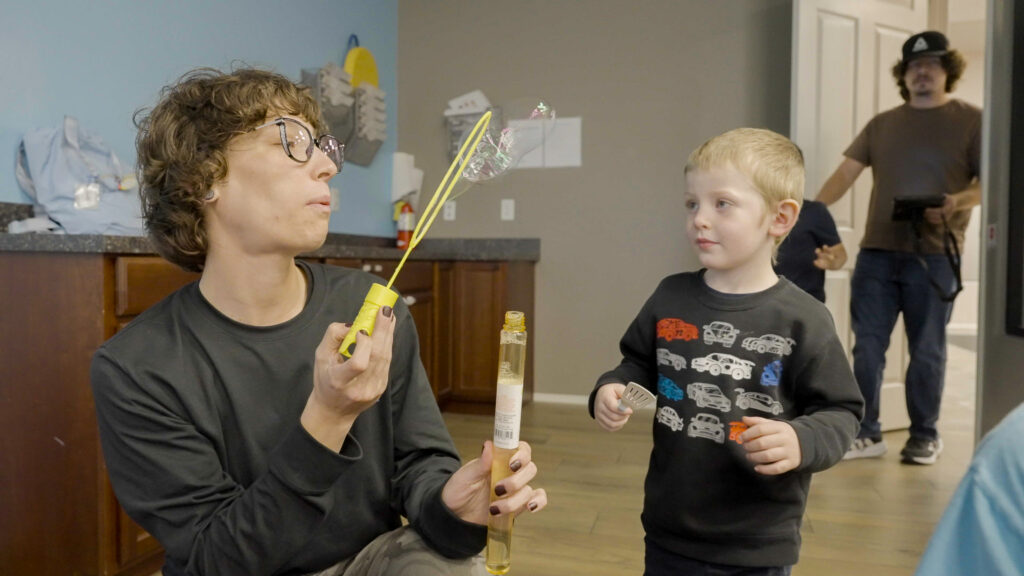
The Rise of Autism Memes Autism memes have proliferated across social media platforms, ranging from relatable content created by autistic individuals to offensive stereotypes shared by those outside the community. The genre includes wholesome memes about sensory experiences, humorous takes on social awkwardness, satirical commentary on neurotypical expectations, and unfortunately, memes that mock autistic behavior […]
ABA Intervention Techniques

Discrete Trial Training (DTT) DTT breaks skills into small, teachable components presented in a structured format. Each trial has three parts: the instruction (antecedent), the child’s response, and the consequence (reinforcement or correction). Trials are repeated to build fluency. DTT is effective for teaching foundational skills like matching, imitation, labeling, and receptive language. It provides […]
Autism Social Issues
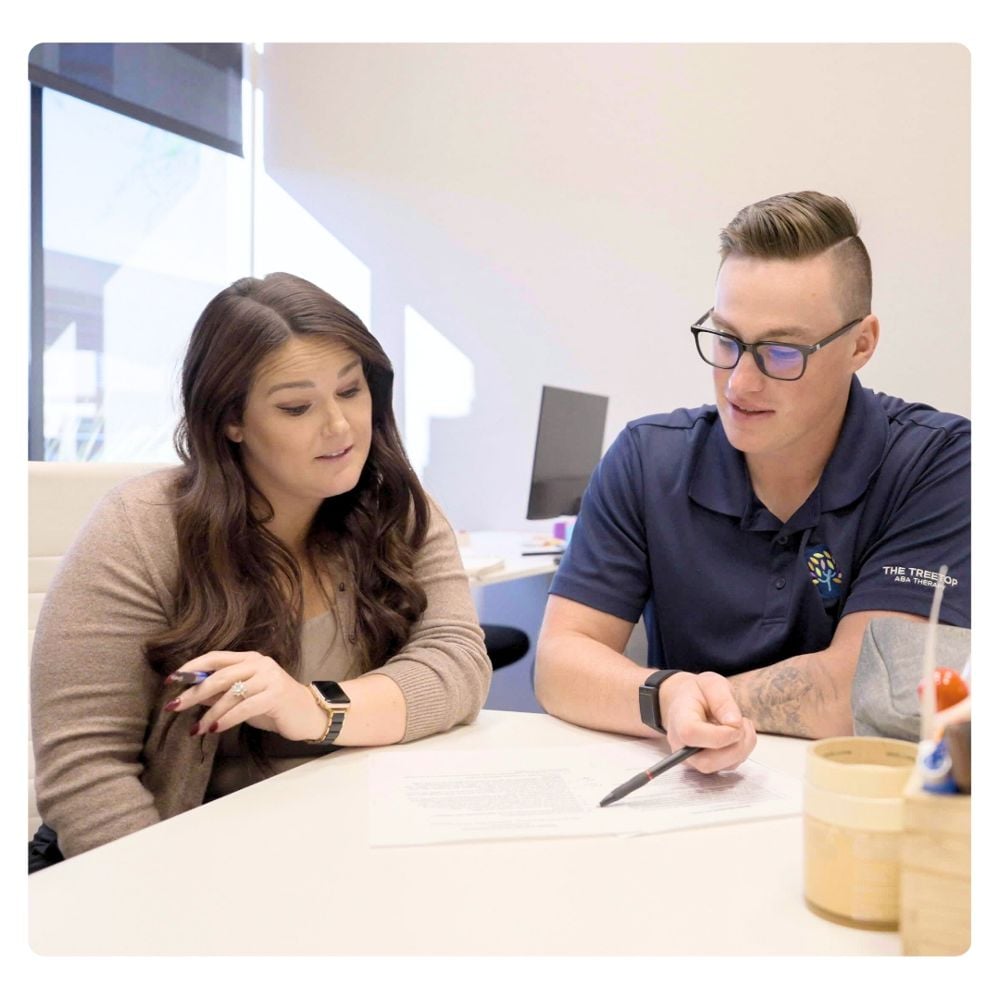
Core Social Challenges Social communication differences are a defining feature of autism. Common challenges include difficulty reading facial expressions and body language, trouble understanding sarcasm, idioms, and implied meaning, challenges with conversational reciprocity (back-and-forth exchange), difficulty understanding others’ perspectives (theory of mind), trouble navigating unwritten social rules, and challenges forming and maintaining friendships. Why Social […]
Can Not Taking Prenatal Cause Autism

The Research on Prenatal Vitamins and Autism Some studies suggest that prenatal folic acid supplementation may be associated with a reduced risk of autism. A 2013 JAMA study found that mothers who took folic acid supplements early in pregnancy had a lower rate of autism in their children. However, this is an association, not proof […]
What Should I Do If My Child with Autism Hits Me

Understanding Why It Happens When an autistic child hits a parent, it is almost never intentional aggression in the way adults understand it. Hitting typically serves a communicative function: the child may be overwhelmed and cannot express it verbally, trying to escape a demand or situation, seeking sensory input, frustrated by an inability to communicate […]
Does Cerebral Palsy Cause Autism
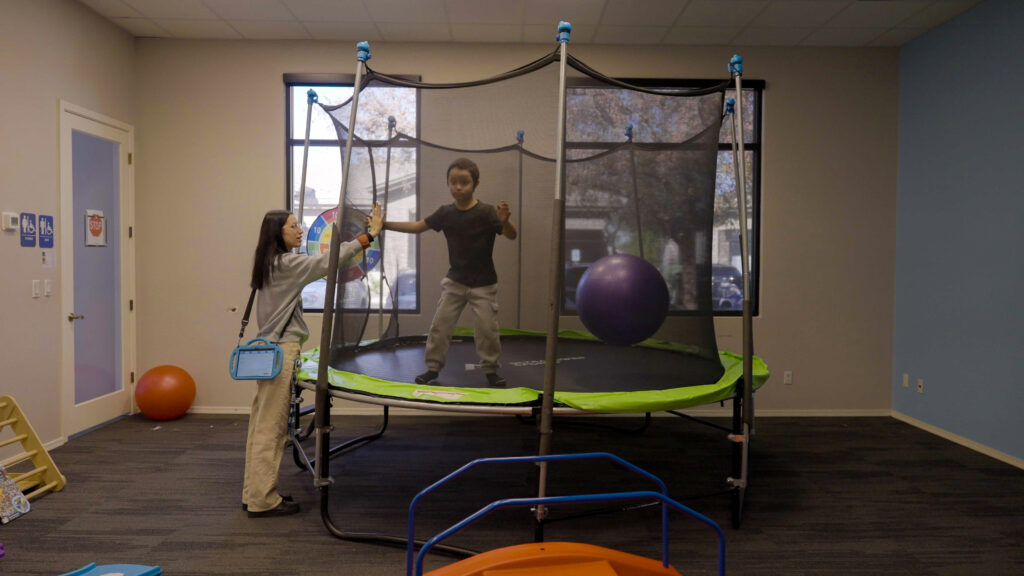
Separate Conditions Cerebral palsy and autism are distinct conditions with different primary features. Cerebral palsy is a motor disorder caused by brain damage during development, affecting movement, muscle tone, and posture. Autism is a neurodevelopmental condition affecting social communication and behavior. One does not cause the other, though they can co-occur in the same individual. […]
Brain Damage Cause Autism
Autism Is Not Caused by Brain Damage Autism is a neurodevelopmental condition reflecting differences in how the brain develops, not damage to a previously normal brain. The distinction matters: brain damage implies injury to an intact system, while autism reflects a different developmental trajectory from the start. Autistic brains develop differently at the cellular level […]
Standardized Autism Interventions
What Makes an Intervention Evidence-Based? An intervention is considered evidence-based when multiple high-quality research studies demonstrate its effectiveness. The National Professional Development Center on ASD has identified 28 evidence-based practices for autism, including ABA-based methods, visual supports, social skills training, and others. Evidence-based means the intervention has been tested in controlled studies with positive results […]
How Autism Affects Daily Life Adults

Employment Challenges Autistic adults face significant employment barriers. Estimates suggest unemployment rates of 50-75% among autistic adults, despite many having strong skills. Challenges include navigating job interviews (heavy on social performance), managing workplace sensory environments, understanding unwritten social rules and office politics, and handling unexpected changes. However, autistic strengths in attention to detail, systematic thinking, […]