

How To Calm Down If You Have Autism
One of the most common challenges for individuals with ASD is sensory overload, which can cause anxiety, stress, and meltdowns.
Sensory overload occurs when the brain has difficulty processing and responding to sensory information, such as sounds, sights, smells, tastes, and touch.
This can be overwhelming and trigger a fight or flight response. However, there are many calming strategies for autism that can help manage sensory overload and promote relaxation. In this article, we will explore some of these techniques and how they can be applied.
1. Deep Pressure Therapy
Deep pressure therapy involves applying firm and evenly distributed pressure to the body, which can help reduce anxiety and promote relaxation. This can be achieved through various methods, such as:
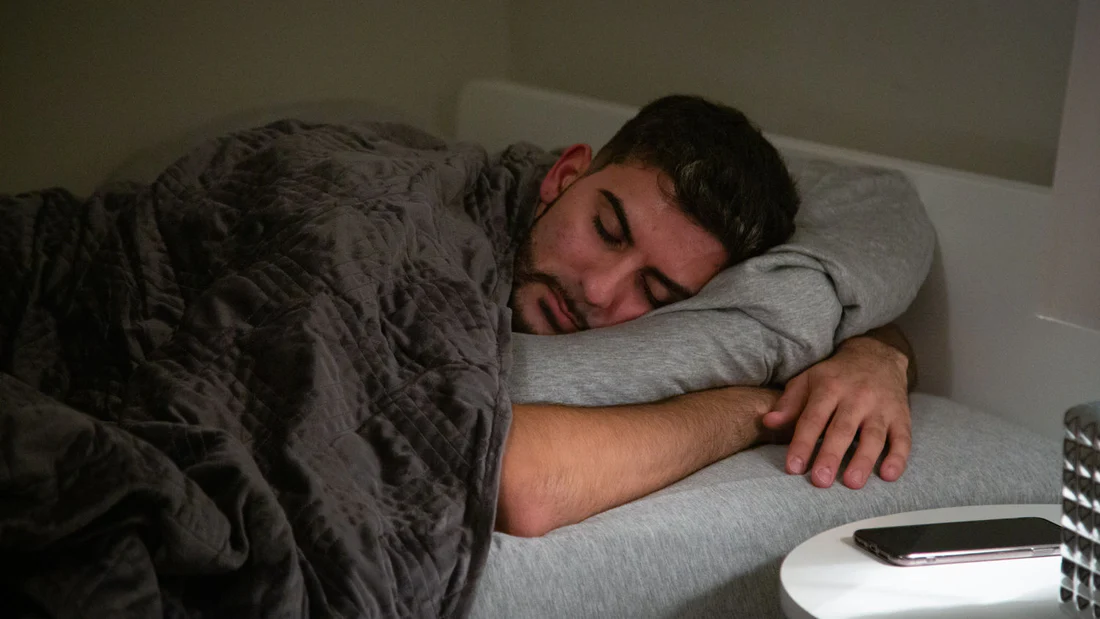
- Weighted blankets: These blankets are designed to provide a gentle and consistent pressure throughout the body, which can feel like a comforting hug. They are available in different weights and sizes, and can be used while sleeping, resting or sitting.
- Compression clothing: Compression clothing, such as vests, shirts or socks, can also provide a similar deep pressure sensation. They are tight-fitting and stretchy, which can help regulate the sensory input and provide a sense of security.
- Massage: Massage therapy can also provide deep pressure stimulation, as well as promote circulation, muscle relaxation and stress relief. This can be done by a professional or a caregiver, using gentle and rhythmic strokes.
2. Sensory Integration Therapy
Sensory Integration Therapy (SIT) is a type of therapy that aims to improve the brain's ability to process and organize sensory information. This can be done through various activities and exercises, such as:
- Swinging: Swinging can provide a rhythmic and repetitive motion that can help regulate the vestibular senses, which are responsible for balance and spatial orientation. This can also be done on a sensory swing, which provides additional input through its texture and shape.
- Deep breathing: Deep breathing exercises can help regulate the respiratory and cardiovascular systems, as well as promote relaxation and focus. This can be done through various techniques, such as diaphragmatic breathing, alternate nostril breathing, or counting breaths.
- Sensory play: Sensory play involves exploring different textures, colors, shapes, and smells through various materials, such as sand, water, clay, or playdough. This can help improve tactile and visual processing, as well as promote creativity and imagination.
3. Environmental Modifications
Environmental modifications involve adapting the physical and social environment to reduce sensory triggers and promote a calm atmosphere. This can include:
- Noise reduction: This can be achieved through earplugs, noise-cancelling headphones, or white noise machines. It can also involve reducing unnecessary noise sources, such as turning off the TV or closing windows.
- Lighting adjustments: This can involve dimming or adjusting the lighting to reduce glare, flicker, or harsh colors. It can also involve using natural light sources, such as sunlight or candles, which can have a calming effect.
- Visual aids: This can involve using visual supports, such as picture schedules, social stories, or visual timers, which can help people with autism understand and anticipate routines and transitions.
4. Mindfulness and Relaxation Techniques
Mindfulness and relaxation techniques involve focusing on the present moment and cultivating a sense of calm and awareness. This can include:
- Meditation: Meditation involves sitting or lying down in a comfortable position, focusing on the breath or a specific object, and letting go of distracting thoughts. This can help reduce anxiety, improve mood, and promote mental clarity.
- Yoga: Yoga involves a series of poses and stretches that can help improve flexibility, balance, and body awareness. It can also promote relaxation and stress relief, and can be adapted to different skill levels and abilities.
- Guided imagery: Guided imagery involves visualizing a peaceful and calming scene, such as a beach, a forest, or a mountain. This can help reduce stress, promote relaxation, and improve mood.
In conclusion, there are many calming strategies for autism that can help manage sensory overload and promote relaxation.
These techniques involve deep pressure therapy, sensory integration therapy, environmental modifications, and mindfulness and relaxation techniques.
It's important to identify which strategies work best for each individual with autism, as everyone has different sensory preferences and needs.
However, with patience, practice, and support, individuals with autism can learn to regulate their sensory input and achieve a sense of calm and well-being.
FAQs
How do you calm down an autistic child?
Calming down an autistic child can be a challenging task, but there are several strategies that can help. The first step is to identify the triggers that may be causing sensory overload or anxiety, such as loud noises, bright lights, unfamiliar environments or transitions.
Once you have identified the triggers, you can try to remove or reduce them as much as possible. For example, you can turn off the TV or music, close curtains or blinds to block out sunlight, or provide a quiet and comfortable space for the child to retreat to.
In addition to environmental modifications, deep pressure therapy can also be helpful in calming down an autistic child. As mentioned earlier in this article, weighted blankets and compression clothing can provide a comforting and regulating sensation that can help reduce anxiety and promote relaxation.

Another strategy is to use visual aids and social stories to explain what is happening and what is expected of the child. This can help reduce confusion and uncertainty, which can contribute to sensory overload and anxiety. You can use pictures, drawings or symbols to illustrate routines and expectations.
Finally, it's important to remain calm and patient when interacting with an autistic child who is experiencing sensory overload or meltdown. Yelling or scolding will only make things worse. Instead, try using a calm voice tone and gentle touch if appropriate. You can also offer reassuring words of support and understanding.
With these strategies in mind, calming down an autistic child may take time and practice but it's achievable with patience and support from caregivers.
How do you calm an overstimulated autistic person?
Calming an overstimulated autistic person can be a challenging task, but there are several strategies that can help. It's important to recognize the signs of overstimulation, which can include increased agitation, restlessness, irritability, and sensory seeking behaviors such as hand flapping or rocking.
One effective strategy is to provide a calming and predictable environment. This may involve reducing sensory input by turning off bright lights or loud noises, or providing a quiet and comfortable space for the person to retreat to. It can also involve establishing a consistent routine and structure that allows the person to anticipate what will happen next.
Another strategy is to use deep pressure therapy techniques, such as weighted blankets or compression clothing.
These tools can provide a soothing and regulating sensation that can help reduce anxiety and promote relaxation.
Breathing exercises and mindfulness techniques may also be helpful in calming an overstimulated autistic person. Encouraging slow breathing or guiding them through visualization exercises can help them focus on the present moment and regulate their emotions.
It's important to approach the person calmly and with empathy, acknowledging their feelings without judgment. Providing reassurance and validation of their experiences can help build trust and promote a sense of safety.
What causes people with autism to lose their calm?
Sensory overload is one of the most common causes of losing calmness in people with autism. As mentioned earlier, individuals with autism may have difficulty processing and responding to sensory stimuli such as sounds, sights, smells, tastes, and touch.
When exposed to an overwhelming amount of sensory input, it can trigger a fight or flight response leading to anxiety and stress.
Other factors that may contribute to losing calmness in people with autism include changes in routine or environment, social interactions, communication difficulties, and emotional regulation challenges.
These factors can vary depending on each individual's unique experience with autism. It's important for caregivers and loved ones to understand these triggers and work together with the individual to develop effective coping strategies that work for them.
Finally, it's crucial to respect the individual's preferences and needs when it comes to calming strategies. Some may respond better to one technique over another, so it's important to experiment with different methods until you find what works best for them. By using these strategies consistently over time, you can help an overstimulated autistic person achieve a sense of calm and well-being.