


Best Parenting Tips For Raising Autistic Children

- Educate yourself about autism: It is important to understand the characteristics and symptoms of autism, as well as the available treatments and therapies. This will help you to better understand your child's needs and how to support them.
- Seek professional support: Consult a pediatrician, psychologist, or a special education expert for guidance on how to manage your child's behavior and communication issues.
- Create a structured routine: Children with autism thrive on routine and predictability. Develop a daily routine that includes specific times for meals, activities, and rest.
- Use visual aids: Use visual aids such as picture schedules, timers, and calendars to help your child understand and follow routines.
- Use positive reinforcement: Reward good behavior with praise and tangible rewards such as stickers, toys, or special treats.
- Teach social skills: Help your child learn social skills such as taking turns, sharing, and making eye contact. Role-playing and social stories can be helpful strategies.
- Encourage communication: Encourage your child to communicate their needs and feelings through nonverbal and verbal means such as sign language, pictures, or speech therapy.
- Use sensory integration techniques: Children with autism often have sensory processing issues. Use sensory integration techniques such as deep pressure, swinging, or tactile play to help your child regulate their sensory system.
- Create a safe environment: Children with autism may engage in self-injurious behavior or wander off. Create a safe environment by securing doors and windows, using child locks, and monitoring your child closely.
- Involve siblings and family members: Encourage siblings and family members to be involved in your child's care and to learn about autism. This can help foster understanding and support within the family.
- Seek community support: Connect with other families with autism in your community through support groups or online forums. This can provide valuable emotional support and resources.
- Stay organized: Keep important documents, medical records, and therapy schedules in one place for easy access.
- Take care of yourself: Raising a child with autism can be stressful and exhausting. Take care of yourself by prioritizing self-care activities such as exercise, meditation, and getting enough sleep.
- Celebrate small successes: Celebrate your child's small successes such as learning a new skill or completing a task independently.
- Be patient and persistent: Raising a child with autism can be a long and challenging journey. Be patient and persistent in your efforts to support and help your child reach their full potential.
Importance Of Properly Raising A Child With Autism
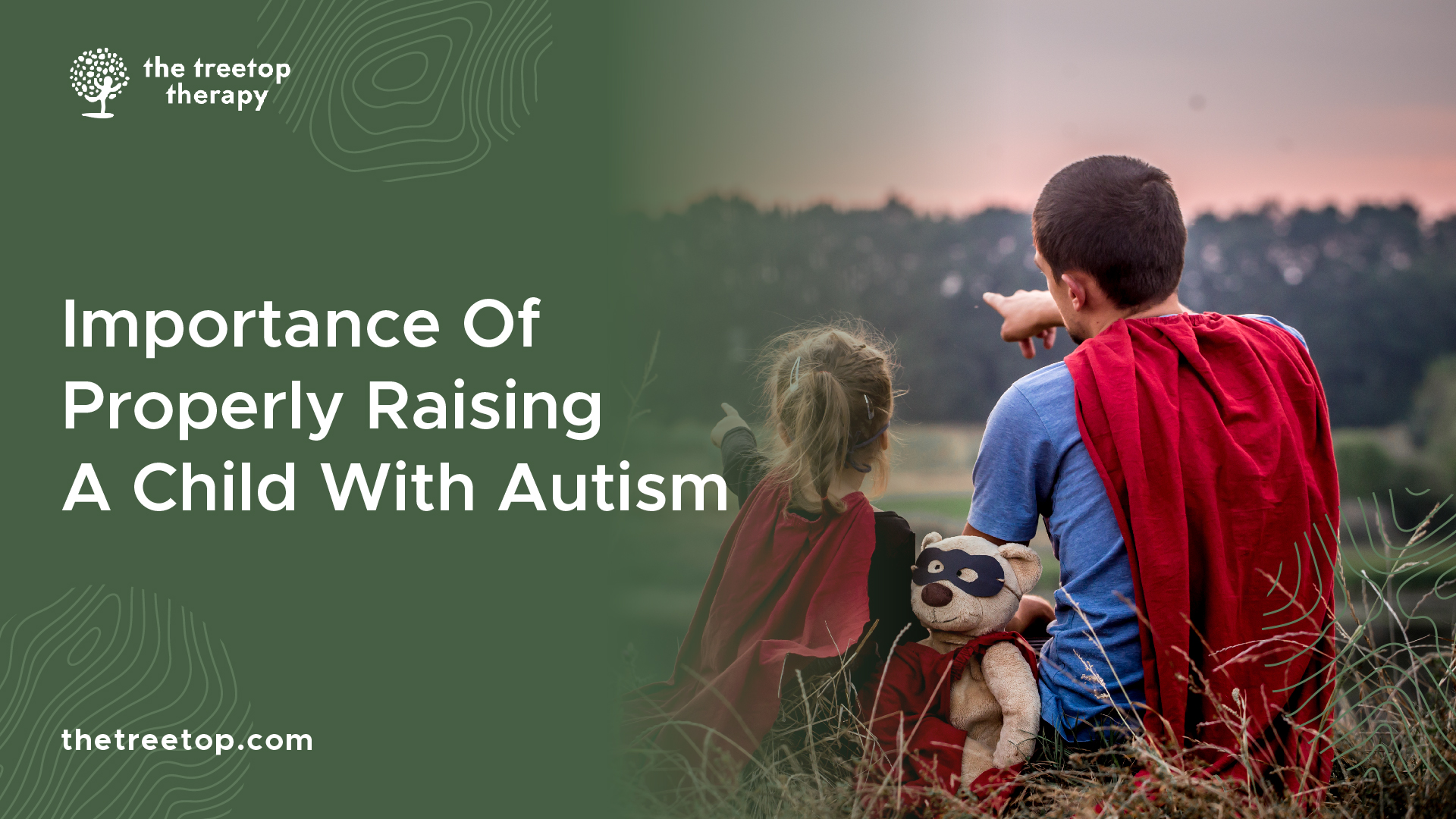
Raising a child with autism is not an easy task, but it is also one of the most rewarding experiences. Parents who dedicate their time and effort to raising their children well with autism can make a significant impact on their child's development.
A well-raised child with autism can learn to communicate effectively, develop social skills, and live a fulfilling life. It is essential for parents to understand that every child with autism has unique needs and challenges, and there is no one-size-fits-all approach to parenting them.
However, by following the practical tips mentioned above and seeking professional support when needed, parents can create a nurturing environment that promotes growth and development for their child with autism.
The importance of raising a child well with autism cannot be overstated; it requires patience, compassion, and unwavering commitment from parents. With the right guidance and support, parents can successfully navigate the challenges of raising a child with autism and help them achieve their full potential.
How To Raise A Child With Autism

Raising a child with autism requires patience, understanding, and a willingness to adapt. Here are some additional tips that can help parents navigate the challenges of parenting a child with autism:
- Find what works for your child: Every child with autism is unique, and what works for one may not work for another. Experiment with different strategies and approaches until you find what works best for your child.
- Advocate for your child: As a parent, it is important to be an advocate for your child's needs. This may involve advocating for accommodations at school or in other settings or seeking out resources and support services.
- Embrace your child's strengths: Children with autism often have unique talents and strengths. Encourage your child to pursue their interests and hobbies, which can help build self-esteem and confidence.
- Practice self-compassion: Raising a child with autism can be emotionally challenging at times, and it is important to practice self-compassion as a parent. Take time for yourself when needed, seek out support from others, and remember that it is okay to make mistakes.
- Stay positive: While there may be difficult moments when raising a child with autism, it is important to stay positive overall. Celebrate the small successes along the way, focus on progress rather than perfection, and remember that every day is an opportunity to learn and grow together.
By following these tips and being open-minded and flexible in their approach, parents can provide the love and support their children need to thrive despite the challenges of autism.
Mistakes To Avoid
Parenting a child with autism can be challenging, and it is not uncommon for parents to make mistakes along the way. However, some mistakes can have long-lasting effects on a child's development and well-being. Here are some common parenting mistakes to avoid when raising a child with autism:
- Neglecting self-care: As a parent, it is easy to get caught up in taking care of your child's needs and neglect your own self-care. However, neglecting self-care can lead to burnout, stress, and fatigue. It is important for parents to prioritize their own mental health and well-being by engaging in activities that bring them joy and relaxation.
- Overprotecting your child: While it is natural to want to protect your child from harm, overprotecting them can hinder their development of independence and social skills. It is important for parents to find a balance between keeping their child safe and allowing them opportunities for growth and exploration.
- Focusing solely on treatment: While therapy and treatment are important components of managing autism, it should not be the sole focus of parenting. Parents should also focus on creating positive experiences for their child through play, leisure activities, and family outings.
- Ignoring the impact on siblings: Raising a child with autism can have an impact on siblings as well. It is important for parents to recognize this impact and provide support for all members of the family.
- Being too rigid: While routine is important for children with autism, being too rigid can create unnecessary stress and anxiety for both the parent and child. Parents should allow room for flexibility in routines when needed.
By avoiding these common parenting mistakes, parents can create a nurturing environment that supports their child's growth and development while also taking care of themselves and their family as a whole.
Summary
In conclusion, raising a child with autism requires patience, dedication, and support. Using these practical tips and strategies can help parents manage the condition and provide their child with the best possible care and support. Remember that each child with autism is unique, and what works for one child may not work for another. With time and effort, parents can find the best strategies for their child and help them thrive.