

Telehealth parent coaching ABA has transformed how families access specialized support for children with autism, offering flexibility and expert guidance without leaving home. As more families explore remote options alongside traditional services, understanding when virtual coaching strengthens your child's progress and when in-home support remains essential can help you build the most effective treatment plan. The Treetop recognizes that parent training forms the foundation of successful ABA therapy , whether delivered virtually, in-home, or through a combination approach tailored to your family's unique needs.
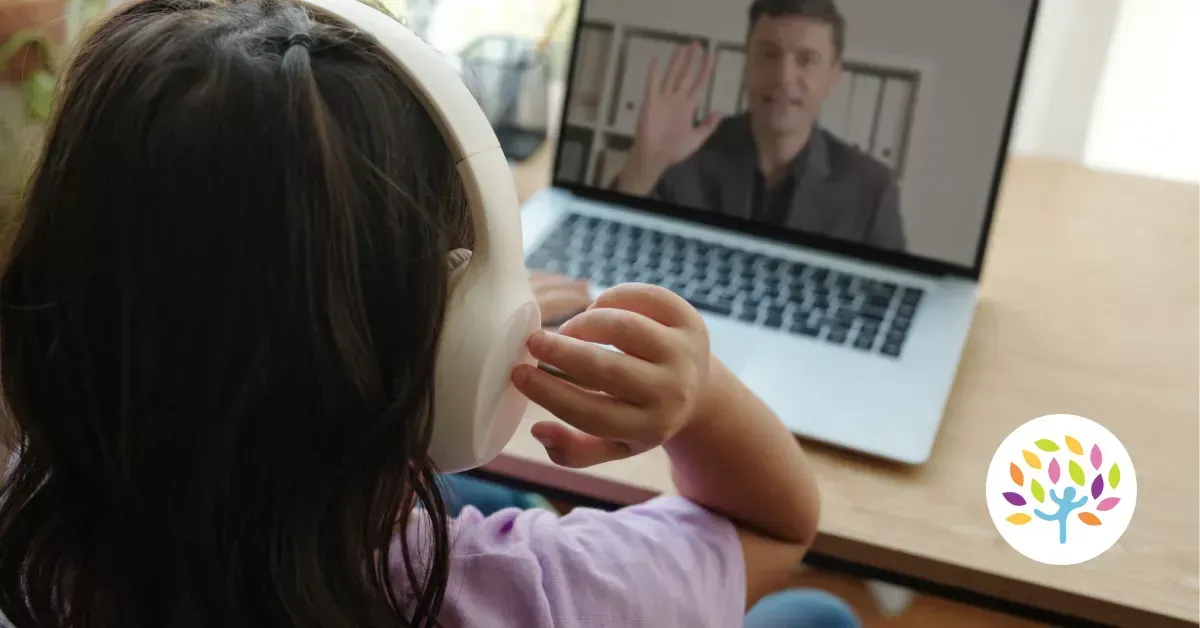
Virtual parent coaching connects families with Board Certified Behavior Analysts who guide you through evidence-based techniques via secure video sessions. This approach has proven particularly valuable for families in areas with limited access to specialized providers, those managing busy schedules, or parents seeking supplemental support between in-home therapy visits.

Summary: Telehealth Parent Coaching ABA
Telehealth parent coaching ABA delivers structured training where BCBAs teach behavior management strategies through secure video platforms. Parent implementation fidelity exceeds 97% in research studies, with families achieving 80.9% average teaching skill increases . The model works best when combined with periodic in-home sessions for hands-on support, particularly during initial skill-building or when addressing complex behavioral challenges.
Key Points:
- Over 94% U.S. population internet access enables practical telehealth delivery for most families
- Telehealth led to over 60% increase in behavioral health services during the COVID-19 pandemic
- Combining telehealth with in-home visits creates flexible hybrid models that maximize both accessibility and hands-on skill transfer

How Telehealth Parent Coaching Sessions Work
Remote ABA parent coaching connects you with certified professionals through secure video platforms, creating structured learning experiences that fit your family's schedule. These sessions focus on equipping you with practical strategies you can implement immediately in your child's natural environment.
The Typical Session Structure
Sessions typically allocate 60 minutes across key segments: five minutes for check-in, 15 minutes reviewing homework, 15 minutes introducing new content with demonstrations, 10 minutes for documentation, 10 minutes assigning practice recommendations, and five minutes for summary. This structured approach ensures consistent progress tracking while maintaining flexibility for your questions and concerns.
BCBAs use checklists to guide discussions, starting with reviews of prior lessons and your implementation successes or challenges. Sessions progress through objective behavior definitions, functional analysis of why behaviors occur, and development of replacement behaviors with individualized implementation plans. Video modeling often demonstrates techniques before you practice them yourself.
Technology Platform Requirements
Effective telehealth delivery depends on reliable technology that protects your family's privacy. HIPAA-compliant videoconferencing platforms use secure, encrypted video and audio transmission, ensuring protected health information remains confidential throughout your ABA interventions .
Both you and your provider need stable, high-speed internet connections for interactive sessions. Before starting telehealth services, your BCBA will assess whether your child's current skills make them suitable candidates for virtual service delivery. Most families find that basic smartphone or tablet technology with reliable internet connection meets technical requirements. Your provider should use BACB-approved telehealth tools that allow screen sharing for visual demonstrations, real-time video for observation and feedback, and secure messaging for between-session communication.
Assessment and Goal-Setting Process
Structured interviews and questionnaires form the foundation of telehealth assessment processes. Your BCBA conducts collaborative discussions to gather information about family history, behavioral concerns, and parent-child interaction patterns.
You'll learn to create precise, observable definitions of behaviors and discuss their functions. Goals follow SMART criteria (specific, measurable, achievable, relevant, time-bound) aligned with your family's priorities, such as promoting positive behaviors, enhancing communication, or improving daily living skills. Weekly telehealth sessions provide ongoing coaching, progress review, and modifications based on your implementation data, maintaining treatment fidelity through consistent supervision.
Evidence-Based Benefits of Telehealth Parent Coaching
Research supports telehealth as an effective delivery model for parent training, particularly when geographic or scheduling barriers limit access to traditional services. Understanding the documented benefits helps you make informed decisions about incorporating virtual coaching into your child's treatment plan.
Improved Accessibility and Flexibility
Telehealth ABA overcomes geographical barriers, connecting families in rural or isolated communities with specialized behavior therapists previously unavailable locally. Parents in areas without local BCBAs can now access the same quality training as families in metropolitan areas with abundant providers.
The flexibility extends beyond geography. Virtual sessions eliminate travel time, allowing you to schedule appointments during lunch breaks, after bedtime, or on weekends without disrupting your entire day. The surge during the COVID-19 pandemic demonstrated how relaxed regulations could expand behavioral health service utilization, with many families discovering virtual coaching fit their lifestyle better than traditional models.
Consider Emily, a single mother in rural Montana whose nearest BCBA practiced 150 miles away. Through weekly telehealth sessions over six weeks, she learned to implement naturalistic communication strategies during her son's daily routines. By the end of the training period, her accuracy in applying teaching techniques had increased measurably, and her four-year-old son showed consistent improvements in requesting preferred items using eye contact and gestures. The convenience of evening video sessions meant Emily didn't sacrifice work hours for appointments, while her son practiced new skills in the exact environment where he needed them most.
Research-Backed Effectiveness Outcomes
Studies show parents can achieve high fidelity in implementing ABA-based naturalistic teaching strategies for child communication through telehealth coaching. This means you can learn to apply techniques correctly and consistently, matching the quality of implementation typically seen in face-to-face training.
Children showed gains in communication , including improvements in mands with eye gaze and individualized target behaviors, when parents received telehealth training. Positive affect improvements suggest children respond well to parent-implemented strategies learned virtually. Group-based telehealth parent coaching receives high acceptability ratings from participating families, with live coaching and guided reflection identified as particularly effective strategies.
What Success Looks Like: Typical Outcomes and Timelines
Understanding realistic expectations helps you evaluate progress and stay motivated through your training program. Research from recent telehealth ABA studies provides concrete benchmarks for parent skill development and child outcomes.
Parent implementation fidelity averaged over 97% when learning naturalistic strategies through telehealth coaching, with teaching skill increases of 80.9% on average. These figures demonstrate that parents can master complex behavioral techniques through virtual training, reaching implementation quality comparable to in-person models.
For child outcomes, studies document impressive behavior change. Telehealth interventions achieved a 90% reduction in challenging behaviors, matching in-person therapy results. Hybrid models combining telehealth with periodic in-home visits produced 92% reduction in problem behaviors, along with improvements in social communication like eye gaze, requesting, and positive affect. All parents in noncompliance studies reported satisfaction with telehealth interventions.
Timeline expectations vary by family factors and child needs. Research using six-week coaching programs via weekly video sessions showed increased parent accuracy in implementing strategies, with corresponding gains in child communication behaviors by the program's end. Most families demonstrate competency within training periods spanning weeks to months, though individual progress depends on practice consistency, child responsiveness, and behavior complexity.
While outcomes vary, these metrics provide realistic benchmarks. Your BCBA should track your implementation accuracy and your child's progress regularly, adjusting strategies when data shows limited improvement.
Cost Considerations and Insurance Coverage
Telehealth ABA parent training proves cost-effective compared to traditional face-to-face models when factoring in reduced travel expenses, time off work, and childcare needs for siblings. Insurance coverage for telehealth ABA services expanded significantly during recent years, with many providers now reimbursing virtual parent training at rates comparable to in-person visits. However, coverage varies by state, insurance plan, and specific service codes.
Some families find that combining telehealth with less frequent in-home visits creates an affordable hybrid model. You might schedule weekly virtual sessions supplemented by monthly in-home visits, balancing cost savin gs with hands- on support.
Core ABA Strategies Parents Learn Through Telehealth
Virtual coaching equips you with evidence-based techniques applicable across your child's daily routines. These strategies form the foundation of effective behavior support and skill development in natural environments.
Positive Reinforcement and Behavior Management Techniques
Positive reinforcement procedures remain central to ethical, effective ABA interventions. Your telehealth sessions will emphasize identifying meaningful reinforcers for your child and delivering them consistently to strengthen desired behaviors. You'll learn to recognize subtle approximations toward goals, providing immediate feedback that builds momentum.
Practical techniques include frequency counting using simple paper tallies or phone counters to track behavior occurrences throughout the day. Duration tracking using a phone timer measures how long behaviors last, creating precise records for trend analysis. ABC analysis (Antecedent-Behavior-Consequence) helps you understand behavior patterns by recording what happened before the behavior, the behavior itself, and what followed.
The Rodriguez family's experience illustrates how parent-learned strategies transfer to real situations. During a telehealth noncompliance reduction program, they practiced Behavior Skills Training components (instructions, modeling, rehearsal, feedback) guided by their BCBA through video sessions. Pre and post-assessments documented their skill acquisition as they learned to identify antecedents triggering their daughter's refusals, deliver clear instructions, and reinforce compliance immediately. The structured coaching format helped them implement strategies consistently, leading to decreased noncompliance during homework and bedtime routines.
Communication and Language Development Strategies
Telehealth coaching focuses heavily on naturalistic teaching strategies that promote communication in everyday contexts. You'll learn to create communication opportunities throughout daily routines, using techniques like environmental arrangement, modeling, and prompting to encourage verbal or alternative communication attempts.
Video demonstrations show how to implement prompting hierarchies, starting with least intrusive support and fading assistance as your child gains independence. Your BCBA might use screen-sharing to review video clips of your practice sessions, providing specific feedback on timing, delivery, and reinforcement strategies.
For children using augmentative and alternative communication systems, telehealth sessions teach you to incorporate these tools consistently across settings. Your provider guides you through device programming, vocabulary selection, and modeling procedures that encourage your child's independent communication.
Daily Routine Integration and Generalization
Skills learned in isolation rarely transfer to real-world situations without deliberate generalization planning. Telehealth parent coaching emphasizes embedding teaching opportunities throughout your family's existing routines rather than adding separate "therapy time" to already busy schedules.
Your BCBA helps you identify natural teaching moments within morning routines, meals, bath time, errands, and play. You'll learn to prompt target skills during these activities, providing reinforcement for correct responses while maintaining the activity's natural flow. Generalization strategies include varying the people, places, and materials involved in teaching.
The Treetop 's person-centered approach recognizes that meaningful progress occurs when skills transfer to home and community settings where children actually need them. Virtual coaching supports this philosophy by training you to implement strategies in the exact environments where your child spends time, naturally promoting generalization from the start.
Choosing a Qualified Telehealth ABA Provider
Selecting the right virtual BCBA significantly impacts your family's experience and your child's outcomes. Understanding credentials, asking informed questions, and recognizing concerning practices helps you make confident decisions.
BCBA Credentials and Experience to Verify
Start by searching the BACB Certificant Registry. Enter the provider's full legal name, certification number if known, or location details. Confirm the status shows "Active," the name matches exactly, no disciplinary actions appear, and supervision qualifications are current if relevant to your needs.
BCBAs must hold master's degrees, complete supervised experience hours, and pass the certification exam. However, certification alone doesn't guarantee telehealth expertise. Ask about specific training in remote service delivery, including technology platform use and virtual coaching techniques.
Check your state's behavior analyst licensing board if applicable. States like Florida and Texas require separate licensure beyond BACB certification. Verify active license status, current expiration dates, and absence of enforcement actions. For providers billing insurance, verify their National Provider Identifier through the NPPES NPI Registry.
Questions to Ask During Provider Consultations
Initial consultations reveal how providers approach parent training and family collaboration. Ask about their typical session structure, frequency recommendations, and expected timeline for achieving specific goals. Vague responses or unrealistic promises about quick fixes should raise concerns.
Inquire about their experience with children similar to yours in age, diagnosis specifics, and presenting behaviors. A BCBA skilled in early intervention might lack experience with teenagers, just as someone specializing in severe behavior challenges might not be the best fit for a child with primarily social communication goals.
Discuss their approach to combining telehealth with in-home services if you're considering hybrid models. How do they determine when hands-on support is necessary? Understanding their decision-making framework helps you anticipate transitions between service delivery modes.
Ask how they involve parents in goal-setting and treatment planning. Providers committed to family-centered care will emphasize collaboration and your priorities rather than imposing predetermined agendas.
Red Flags to Watch For
Be cautious of providers who guarantee specific outcomes or promise rapid results. Ethical ABA practice acknowledges that progress varies by individual, and reputable providers set realistic expectations based on assessment data.
Lack of transparency about qualifications, supervision arrangements, or treatment approaches signals potential concerns. Providers should readily share credentials, explain their methodology, and discuss how they maintain accountability for service quality.
Inflexibility raises concerns, particularly in parent coaching where individual family needs should guide service delivery. Providers who insist on rigid session structures, refuse to adjust strategies based on your feedback, or dismiss your concerns about approach fit may not offer the collaborative partnership essential for success.
Overcoming Common Telehealth Parent Coaching Challenges
Virtual delivery introduces unique obstacles that differ from in-home sessions. Anticipating these challenges and implementing practical solutions helps you maximize telehealth benefits.
Managing Technology Issues and Connectivity
Technical difficulties disrupt sessions and create frustration for both families and providers. Test your internet connection speed before starting services, ensuring you meet minimum bandwidth requirements for video streaming. Position your device in areas with strong Wi-Fi signals, preferably close to your router.
Have backup plans ready for common technology failures. Know your provider's phone number for quick contact if video fails. Some BCBAs use phone calls for audio while troubleshooting video issues, maintaining session continuity despite technical problems.
Schedule sessions during times when internet demand in your household is lower. Streaming video by other family members, large file downloads, or multiple devices competing for bandwidth can compromise connection quality.
The Martinez family initially struggled with dropped video calls during their evening sessions when older siblings streamed homework videos simultaneously. After their BCBA suggested morning sessions during school hours and provided a troubleshooting guide for their platform, connectivity improved dramatically. They also learned to keep their provider's direct phone number handy, which proved essential the one time their internet service experienced an outage mid-session. The BCBA called immediately, completing the coaching portion by phone while they viewed materials on their phones using cellular data.
Maintaining Child Engagement During Virtual Sessions
Young children with autism often find video screens less engaging than in-person interactions. Interactive elements help maintain attention and participation. Your BCBA might use screen-shared flashcards, virtual games, or shared activities like following along with play materials you both have on hand.
Shorter, more frequent sessions sometimes work better than standard hour-long appointments for children with limited screen tolerance. A 30-minute session twice weekly might produce better engagement and learning than a single 60-minute session.
Parent coaching sessions focus on teaching you rather than directly engaging your child, but having your child present for portions of the session allows your BCBA to observe interactions and provide immediate feedback. Plan these observation windows during times when your child is typically most alert and cooperative.
Balancing Parent Learning With Daily Responsibilities
Finding time for consistent session attendance challenges many families. Evening and weekend options accommodate work schedules better than daytime appointments. Ask whether your provider offers flexible scheduling, including sessions after traditional business hours.
Homework assignments between sessions should feel manageable rather than overwhelming. Communicate honestly with your BCBA about your capacity for practice. Starting with one or two small, specific assignments builds momentum better than ambitious plans you can't maintain.
Involve other family members in learning when possible. Partners, grandparents, or older siblings who understand the strategies can provide support and consistency across caregivers. Some providers offer periodic sessions with multiple family members to ensure everyone uses techniques similarly.
Taking the Next Step in Your ABA Journey
Making informed decisions about telehealth parent coaching requires understanding your family's specific needs, available resources, and treatment goals. Consider whether virtual support aligns with your child's current developmental stage and the complexity of targeted behaviors.
Many families benefit from hybrid approaches that combine telehealth convenience with periodic in-home visits for hands-on support. The Treetop's individualized approach to ABA therapy services recognizes that effective treatment plans adapt to each family's circumstances rather than following rigid service delivery models.
Start by exploring your insurance coverage for both telehealth and in-home ABA services. Understanding your benefits helps you design an affordable, sustainable service plan. Research local and remote providers, verifying credentials through the BACB registry and asking the consultation questions outlined above.
Remember that parent training, regardless of delivery format, empowers you as your child's most important teacher. The strategies you learn through coaching sessions apply across all environments where your child spends time, multiplying the impact of professional services. Your consistent implementation of evidence-based techniques creates the foundation for meaningful, lasting progress.
Contact The Treetop to discuss how parent training, whether through traditional in-home services or emerging telehealth options, can support your family's journey toward your child's goals. Our team of qualified clinicians brings decades of experience in behavior analysis and healthcare, offering person-centered ABA therapy that prioritizes your partnership in your child's development.
Related articles