

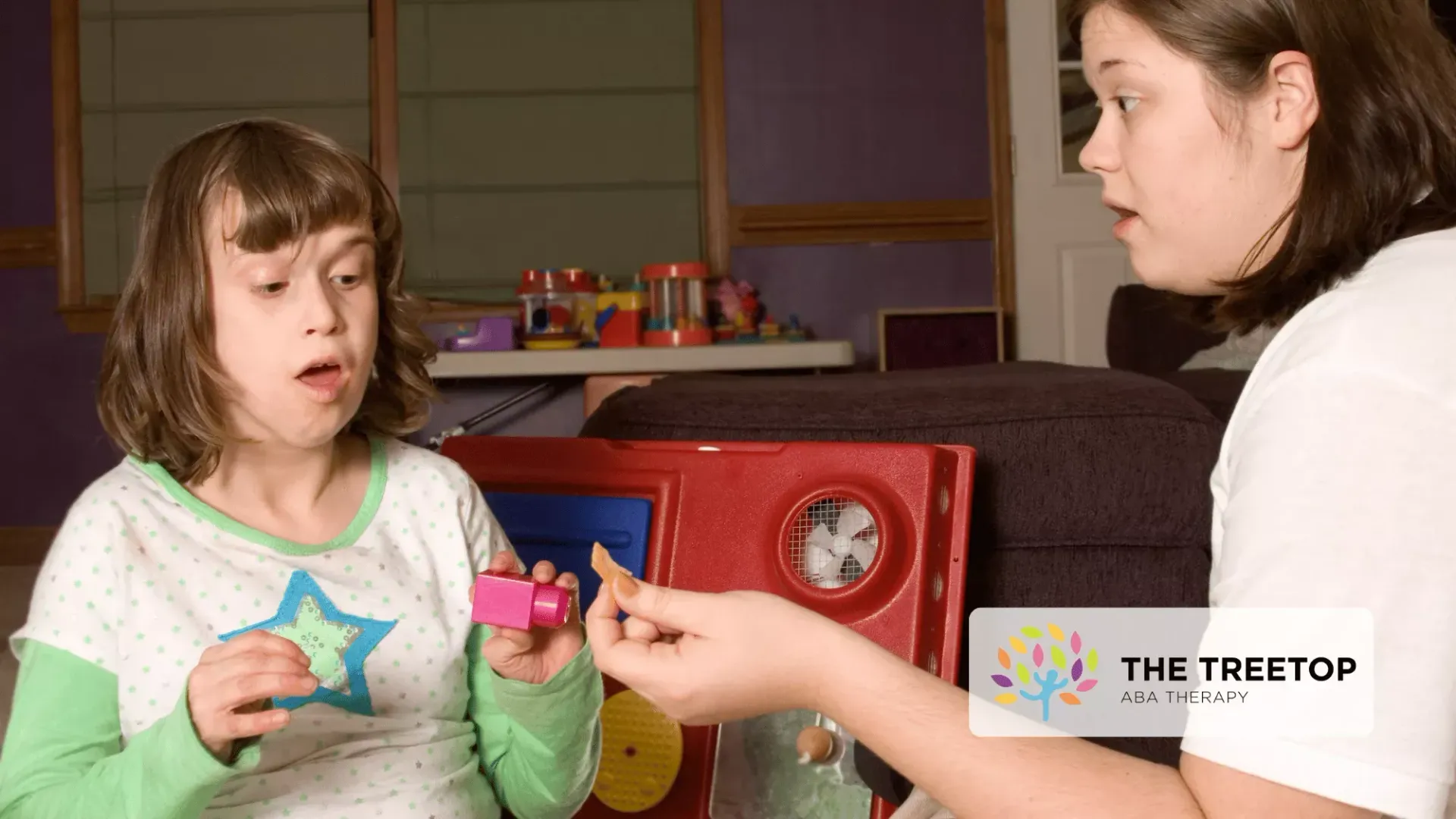
ABA and anxiety treatment work together to help children with autism manage overwhelming feelings through structured, behavioral strategies. Anxiety affects many children on the autism spectrum, often showing up as avoidance, meltdowns, or withdrawal from daily activities. TreeTop ABA specializes in individualized ABA therapy services for children with autism, using evidence-based approaches to address both core autism symptoms and co-occurring anxiety.
Unlike traditional talk therapy, ABA focuses on observable behaviors and teaches practical skills children can use immediately. This approach identifies what triggers anxiety, replaces avoidance with coping strategies, and reinforces brave behaviors with positive outcomes.
Is Your Child's Anxiety Getting in the Way of Daily Life?
When avoidance, meltdowns, or withdrawal are a daily reality, it's hard to know where to turn. TreeTop ABA provides individualized, BCBA-led ABA therapy for children with autism and co-occurring anxiety, with services in the home and community. We accept Medicaid and most insurance. Contact us today to take the first step.
TL;DR: ABA and Anxiety Treatment
ABA therapy addresses anxiety in children with autism by identifying behavioral patterns, teaching replacement skills, and gradually reducing avoidance through systematic exposure. This method focuses on what triggers anxious behaviors, how children respond, and what happens afterward. Therapists use data collection to track progress and adjust interventions based on each child's needs. Treatment involves breaking feared situations into manageable steps, reinforcing approach behaviors, and teaching self-regulation techniques. Parents play an active role in extending these strategies beyond therapy sessions.
Key Points
- Functional behavior assessments reveal anxiety triggers. FBAs identify the specific patterns and purposes behind each child's anxious behaviors.
- Gradual exposure builds tolerance. Systematic, step-by-step exposure helps children learn that feared situations are manageable.
- Research shows meaningful outcomes. Comprehensive ABA programs achieve 18%-30% improvement in cognitive, language, social, and adaptive outcomes compared to control groups.
- Skill-building is as important as exposure. Treatment combines exposure techniques with communication and self-regulation training.
- Insurance coverage is available nationwide. All 50 states mandate insurance coverage for ABA therapy, making treatment accessible for families managing anxiety.
- Parents are essential partners. Caregiver involvement extends the reach of therapy into home and community settings, improving generalization.
- Data drives every decision. Ongoing measurement ensures interventions are working and guides adjustments when progress stalls.
How ABA Approaches Anxiety: A Behavioral Perspective
ABA therapy views anxiety through observable behaviors rather than internal emotional states. This perspective allows therapists to measure, track, and modify specific actions that signal distress. When a child with autism experiences anxiety, it often appears as tantrums, refusal to participate in activities, or repetitive behaviors that provide comfort. The behavioral approach identifies patterns in these responses and teaches alternative ways to handle uncomfortable situations.
The method relies on understanding the function of anxious behaviors. Does the child avoid social situations to escape overwhelming stimuli? Do they seek reassurance repeatedly to gain attention? Answering these questions guides intervention design. Therapists collect data on when behaviors occur, what happens right before, and what consequences follow.
ABA vs. Traditional Anxiety Treatment
Traditional anxiety interventions often use cognitive techniques requiring abstract thinking and verbal processing. Children discuss their worries, challenge negative thoughts, and explore underlying emotions. While effective for many, these approaches can be challenging for children with autism who struggle with language or abstract concepts.
The behavioral approach emphasizes doing rather than discussing. Children practice facing fears in controlled settings with immediate reinforcement for brave actions. Instead of talking about why social situations feel scary, a child might practice greeting one peer, then two, gradually building confidence through successful experiences. Progress is measured through observable changes in behavior rather than self-reported feelings.
Why Avoidance Behaviors Drive Anxiety
Avoidance sits at the heart of anxiety disorders. When children escape or avoid anxiety-provoking situations, they experience immediate relief that reinforces the pattern, making anxiety worse over time. A child who refuses to attend birthday parties misses opportunities to learn that social gatherings can be manageable. Understanding what treatment options exist for autism helps families see how ABA fits into a broader toolkit for managing co-occurring challenges like anxiety.
Breaking this cycle requires systematic exposure paired with reinforcement for approach behaviors. The goal is to prevent avoidance while teaching coping strategies that make facing fears more manageable.
Who Benefits Most from ABA-Based Anxiety Treatment
Children with autism and co-occurring anxiety disorders are prime candidates for ABA-based interventions. The structured, visual, and concrete nature of ABA aligns well with how many autistic children learn best. Those who struggle with traditional talk therapy due to language challenges or concrete thinking patterns often respond positively to behavioral approaches.
Research from Yu et al. (2022) demonstrated medium to large effect sizes for comprehensive ABA programs, with 18%-30% improvement over comparison groups across cognitive, language, social communication, adaptive, and autism symptom domains. Children with specific anxiety presentations like social anxiety, separation anxiety, or specific phobias benefit from targeted exposure hierarchies and skill-building interventions tailored to their unique challenges.
Wondering Whether ABA Is Right for Your Child's Anxiety?
The behavioral approach to anxiety works differently than talk therapy, and that's exactly why it can be so effective for children with autism. TreeTop ABA's BCBAs specialize in assessing anxiety through a functional lens, not guesswork. Reach out to our team to discuss your child's specific situation and learn what an assessment looks like.
Identifying Anxiety Patterns Through Functional Behavior Assessment
Functional behavior assessments form the foundation of ABA-based anxiety treatment. TreeTop ABA uses standardized FBA methods to understand what triggers anxious behaviors and what purpose they serve. This process involves indirect assessments through parent interviews, direct observation in natural settings, and sometimes systematic manipulation of conditions to confirm hypotheses about behavior function.
The assessment reveals specific patterns unique to each child. One child's anxiety might spike during transitions between activities. Another might show distress when presented with non-preferred tasks. A third might become overwhelmed in noisy environments. Identifying these patterns allows therapists to design interventions that address root causes.
Understanding autism diagnosis criteria gives parents helpful context before beginning the FBA process, particularly when distinguishing autism-related anxiety responses from other behavioral presentations.
What FBA Reveals About Anxiety Triggers
FBAs frequently identify non-preferred tasks or demands as primary triggers for anxiety-related behaviors. When therapists present challenging academic work or self-care activities, children may respond with aggression, task refusal, or attempts to escape. Understanding this connection allows therapists to address both the anxiety and the underlying skill deficits that make tasks feel overwhelming.
Internal states like frustration combine with external factors such as environmental changes or sensory input. A child might handle classroom demands well on most days but show heightened anxiety when the routine changes or the room becomes too loud.
Measuring Observable Anxiety Behaviors
Therapists measure anxiety through concrete, observable actions. Common behaviors include aggression and self-injurious actions like head banging or hitting. Others show anxiety through noncompliance, property destruction, or elopement. Measuring frequency, duration, and intensity of these behaviors provides baseline data for tracking progress.
The measurement process involves systematic data collection across settings and times. Therapists note how many times behaviors occur, how long they last, and what level of intensity they reach. This data-driven approach ensures objectivity and allows for clear evaluation of whether interventions are working.
Understanding the Function Behind Anxious Responses
Most anxiety-related behaviors serve an escape or avoidance function. Children learn that certain actions successfully terminate or prevent uncomfortable situations. A tantrum might end a demanding task. Running away might avoid a feared social interaction. These consequences reinforce the behavior, making it more likely to occur again. Connecting these patterns to autism IQ and cognitive profiles can also help therapists calibrate intervention complexity appropriately.
Attention-seeking functions also play a role in some anxiety presentations. A child might engage in anxious behaviors to gain caregiver reassurance or comfort. Understanding these functional relationships helps therapists design interventions that provide support while encouraging independence.
Breaking the Cycle of Avoidance Behaviors
Avoidance behaviors maintain anxiety by preventing children from learning that feared situations are manageable. Each avoided experience reinforces the belief that the situation is dangerous or intolerable. Breaking this cycle requires carefully planned exposure that balances challenge with support.
ABA programs implement gradual exposure techniques that systematically introduce anxiety triggers at low intensity. Research demonstrates this approach's effectiveness: a study of desensitization with a 4-year-old boy with autism showed anxiety behaviors reduced by over 80% within 10-15 sessions, with skills generalizing to home settings.
Consider a child showing severe anxiety about grocery stores, resulting in weekly meltdowns. TreeTop ABA builds an exposure hierarchy starting with looking at photos of the store for 1-2 weeks, watching videos of shopping during week 3, sitting in the car in the parking lot during weeks 4-5, entering the store for 2 minutes in week 6, then gradually extending time. By week 12, the child completes a 20-minute shopping trip with their mother using deep breathing techniques when feeling overwhelmed.
For social anxiety, children displaying avoidance, withdrawal, and heightened anxiety symptoms in peer interactions benefit from role-playing to simulate feared situations like greeting peers or transitioning between classes, followed by graded exposures. Research shows participants achieve 50-70% reduction in avoidance behaviors and increased social motivation.
Gradual Exposure and Systematic Desensitization
Exposure hierarchies break feared situations into small, manageable steps. Therapists work with children and families to identify the least anxiety-provoking version of a situation and build up gradually. Each successful step receives reinforcement, creating positive associations with situations that previously triggered avoidance.
The process pairs exposure with relaxation techniques and coping strategies. Before moving to the next level, children practice deep breathing, use visual supports, or engage in preferred activities. This combination of exposure and skill practice helps children learn they can handle challenging situations with the right tools.
Preventing Safety Behaviors and Reassurance-Seeking
Safety behaviors provide temporary relief but maintain anxiety long-term. A child who can only attend birthday parties when holding a parent's hand misses the opportunity to learn they can manage independently. Therapists gradually fade these supports while teaching functional alternatives like requesting a short break or using a calming strategy.
Excessive reassurance-seeking creates a similar problem. When children repeatedly ask 'Will I be okay?' or 'Is this safe?' they get temporary comfort but never develop confidence in their own judgment. Interventions teach children to self-evaluate situations and use problem-solving skills rather than relying on constant external validation.
Teaching Functional Coping Strategies and Replacement Skills
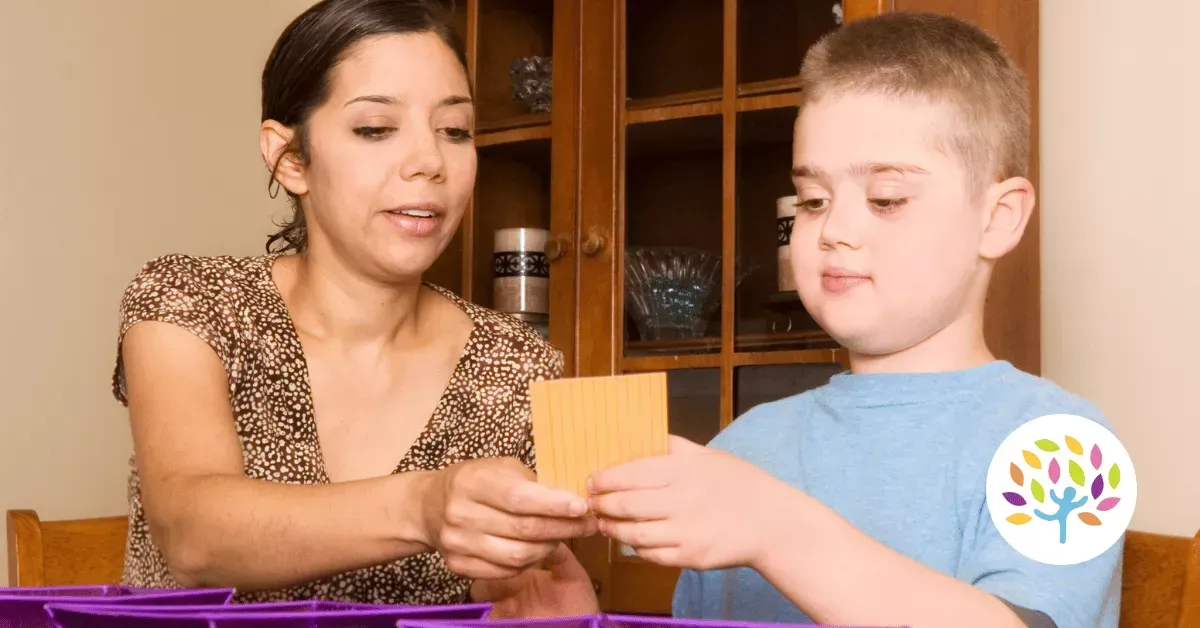
Effective anxiety treatment doesn't just reduce avoidance, it builds a toolkit of skills children can use independently. TreeTop ABA focuses on teaching practical strategies that replace anxious behaviors with adaptive responses. These skills give children control over their anxiety rather than letting anxiety control them.
Research shows that naturalistic ABA techniques improve communication skills that serve as functional replacements for anxious avoidance. When children can effectively request breaks, ask for help, or express discomfort, they're less likely to resort to problematic behaviors.
For example, a 7-year-old at TreeTop ABA struggled with classroom anxiety, leading to disruptive outbursts during challenging tasks. Over six weeks, therapists taught him to request breaks using a visual card system. Week 1-2 focused on recognizing early anxiety signs through an emotion thermometer. Week 3-4 involved practicing the break card in low-stress situations with immediate approval. By week 5, he independently used the card during math lessons, and week 6 saw generalization to multiple subjects. His outbursts decreased from 8-10 per week to 1-2, and teachers reported improved engagement after brief, self-initiated breaks.
Self-Regulation Techniques
Self-regulation skills help children recognize and manage their physiological anxiety responses. Deep breathing exercises slow heart rate and activate the parasympathetic nervous system. Progressive muscle relaxation teaches children to release physical tension. Sensory strategies like using fidget tools or taking movement breaks provide calming input. TreeTop ABA's approach to calming strategies incorporates many of these techniques as part of a personalized regulation plan.
These techniques work best when practiced during calm moments first, then gradually introduced in anxiety-provoking situations. Children learn to identify early warning signs of anxiety and use strategies proactively before emotions escalate.
Communication Skills for Expressing Anxiety
Many children with autism struggle to verbally express anxiety, leading to behaviors others might misinterpret. Teaching specific phrases like 'I need a break,' 'This is too hard,' or 'I feel worried' gives children functional ways to communicate distress. Visual communication systems work for non-verbal children or those who lose language under stress.
Therapists practice these communication skills across contexts until they become automatic. Role-playing, video modeling, and repeated practice with reinforcement help children learn when and how to use their communication tools.
Problem-Solving and Adaptive Responses
Problem-solving training uses worksheets, self-questioning, and visual sequencing to teach children how to approach challenges independently. Instead of avoiding difficult situations, children learn to break problems into steps, generate potential solutions, and evaluate outcomes.
Structured practice with graduated complexity builds problem-solving competence. Children start with simple, concrete problems and progress to more abstract challenges. Each successful resolution receives reinforcement, building confidence in their ability to handle unexpected situations.
For families trying to distinguish whether their child's anxiety responses could also reflect characteristics of ADHD, understanding the overlap between autism, ADHD, and anxiety can help clarify which behavioral patterns are driving which challenges, and help providers design more targeted interventions.
Your Child Deserves a Toolkit, Not Just Coping
Coping skills don't develop on their own. They're taught, practiced, reinforced, and generalized, which is exactly what a skilled BCBA does in ABA therapy. TreeTop ABA builds individualized skill plans for children with autism and anxiety, using your child's own triggers and strengths as the starting point. Learn more about our approach or contact us to schedule an assessment.
Core ABA Techniques Used in Anxiety Treatment
ABA offers a comprehensive set of evidence-based techniques for addressing anxiety. These methods work together to modify behaviors, teach new skills, and create environments that support emotional regulation. The systematic application of these techniques, guided by ongoing data collection, ensures individualized and effective treatment.
Positive Reinforcement for Approach Behaviors
Positive reinforcement is the cornerstone of ABA-based anxiety treatment. Children receive immediate rewards when they engage in brave behaviors, however small. A child who makes eye contact with a peer, answers a question in class, or tries a new food receives praise, tokens, or access to preferred activities.
The reinforcement schedule starts dense and fades gradually. Early in treatment, every approach behavior might receive reinforcement. As skills strengthen, reinforcement becomes intermittent, maintaining behaviors while promoting independence.
Task Analysis and Breaking Down Feared Situations
Task analysis divides overwhelming situations into discrete, teachable steps. Attending a birthday party might break down into: entering the house, greeting the host, sitting at a table, participating in an activity, eating cake, and saying goodbye. Each step becomes a goal that children master before moving to the next level.
This technique reduces overwhelm and creates clear success criteria. Children and therapists celebrate each milestone, building momentum and confidence.
Visual Supports and Environmental Modifications
Visual supports make abstract concepts concrete for children with autism. Social stories prepare children for anxiety-provoking situations by explaining what will happen and what they can do. Visual schedules reduce anxiety about transitions by showing the sequence of activities. First-then boards clarify expectations and provide motivation.
Environmental modifications create spaces that support emotional regulation. Quiet areas in classrooms give children places to regroup. Sensory-friendly adjustments like noise-canceling headphones or dimmed lighting reduce triggering stimuli.
Data-Driven Progress Monitoring
Systematic data collection tracks the effectiveness of every intervention. Therapists measure frequency and duration of anxious behaviors, successful uses of coping strategies, and exposure hierarchy progress. Graphs display trends over time, making progress visible to children, parents, and team members. The autism treatment evaluation checklist is one tool families and providers can use to track how a child's profile evolves over the course of treatment.
Data guides decision-making about when to adjust interventions. If a particular exposure step isn't progressing after several sessions, therapists modify the approach. This responsive, individualized approach ensures treatment remains effective.
Research Evidence Supporting ABA for Anxiety
Research demonstrates ABA's effectiveness for treating anxiety, particularly in children with autism. Multiple studies show significant symptom reduction and improved functioning following ABA-based interventions.
Effectiveness for Autism and Co-Occurring Anxiety
General ABA outcomes show that over 89% of children show notable improvements in various skills and behaviors when receiving intensive ABA therapy. Research indicates approximately 90% of children make considerable gains across areas like communication and social skills. A foundational 1987 study by Ivar Lovaas found that 47% of participants were assessed as indistinguishable from their peers after intensive therapy.
A landmark study reported a 76.5% anxiety response rate for the Behavioral Interventions for Anxiety in Children with Autism program versus baseline measures. Another investigation found an impressive effect size of d=1.42 when comparing behavioral interventions to treatment-as-usual, indicating clinically meaningful improvements in anxiety symptoms.
Yu et al. (2022) meta-analysis reported medium to large pooled effect sizes for comprehensive ABA programs: receptive language (1.48), expressive language (1.47), intellectual functioning (1.19), daily living skills (0.62), and social functioning (0.95) versus controls.
TreeTop ABA's approach is grounded in the same evidence base this research reflects. Our BCBA-led therapy programs for children with autism and anxiety are designed to produce measurable, meaningful change, tracked through data at every session and reviewed regularly with families.
Outcomes for Specific Anxiety Presentations
Research supports ABA's effectiveness across various anxiety presentations. Social anxiety responds well to graduated exposure paired with social skills training. Specific phobias decrease through systematic desensitization and reinforcement of approach behaviors. Generalized anxiety improves when children learn self-regulation techniques and problem-solving skills.
A 2011 review of 27 peer-reviewed studies found that behavioral interventions produced improvements in all measured areas, as well as reduction in anxiety and aggression for children on the autism spectrum. Long-term studies show maintained gains when treatment includes parent training and focuses on skill generalization.
Treatment Intensity and Outcomes
Research indicates at least 25 hours per week of ABA therapy is recommended to address social skills, adaptive behaviors, language, and play skills. A 2020 study revealed that 50% of children who began therapy before age four demonstrated substantial improvements in verbal communication and social functioning.
Combined approaches integrating behavioral techniques with other evidence-based methods show promise. Research continues to explore optimal combinations of ABA with cognitive-behavioral therapy or medication for children with severe or treatment-resistant anxiety.
What to Expect from ABA-Based Anxiety Treatment
Understanding the treatment process helps families prepare for the journey ahead. ABA-based anxiety treatment follows a structured progression from initial assessment through skill-building and exposure work. The timeline varies based on anxiety severity, individual progress, and treatment goals.
Consider this realistic timeline: Initial assessment (weeks 1-2) reveals a 5-year-old avoids peer interactions due to social anxiety, leading to isolation during recess and refusal to participate in group activities. First month goals focus on building rapport and teaching basic greeting skills in one-on-one settings. Mid-treatment (months 2-4) involves gradual exposure to small group activities, practicing requesting breaks, and using visual supports for transitions. Adjustments occur when progress stalls on playground exposure, breaking the step into smaller increments: observing peers from the classroom window, standing near the playground entrance, then brief participation. By month 6, the child initiates play with two familiar peers and uses taught strategies to manage anxiety during unexpected changes.
Treatment Timeline and Session Structure
Treatment duration depends on each child's needs and progress. Some children show meaningful improvement within weeks, while others require several months of intervention. Sessions typically last one to three hours and occur in natural environments where anxiety manifests. Home-based sessions allow practice with family routines and daily transitions. Community-based sessions provide real-world exposure opportunities.
Parent and Caregiver Involvement
Parent participation is essential for successful outcomes. Caregivers learn to implement strategies between sessions, extending practice opportunities and promoting skill generalization. Training includes recognizing anxiety triggers, reinforcing coping skills, and avoiding inadvertent reinforcement of avoidance behaviors.
Regular parent meetings review progress data, adjust goals, and troubleshoot challenges. Therapists teach parents to collect simple data at home, creating a complete picture of how anxiety manifests across settings.
Measuring Progress and Adjusting Interventions
Progress measurement occurs continuously through systematic data collection. Therapists track anxiety behavior frequency, successful coping strategy use, and exposure hierarchy advancement. Graphs display trends, celebrating successes and identifying areas needing additional support.
Treatment adjustments happen based on data patterns. If progress stalls, therapists might modify reinforcement schedules, break exposure steps smaller, or add visual supports. If rapid improvement occurs, goals advance to maintain appropriate challenge levels.
When to Consider Combined Approaches
Some children benefit from combining ABA with other interventions. When anxiety is severe or includes panic attacks, medication consultation with a psychiatrist might be appropriate. Cognitive-behavioral therapy can complement ABA by adding cognitive restructuring for children with strong language skills.
The decision to combine approaches depends on individual presentation and treatment response. Regular communication among providers ensures coordinated care.
Getting Started with ABA and Anxiety Treatment
Beginning ABA-based anxiety treatment involves several key steps. Finding qualified providers, completing comprehensive assessments, and understanding insurance coverage sets the foundation for successful intervention. TreeTop ABA guides families through this process with personalized support at each stage.
Finding Qualified ABA Providers
Look for Board Certified Behavior Analysts who have experience treating anxiety in children with autism. BCBAs complete graduate-level education, supervised fieldwork hours, and pass a comprehensive examination. They design and oversee treatment programs while ensuring adherence to professional ethics standards.
Ask potential providers about their specific experience with anxiety interventions. Questions might include their approach to exposure work, how they involve parents, and how they measure progress.
Initial Assessment and Goal-Setting
Initial assessments include functional behavior assessments to identify anxiety triggers and patterns. Therapists observe the child across settings, interview parents and teachers, and may conduct systematic analyses of behavior functions. This comprehensive evaluation creates a roadmap for intervention. Learn more about what to expect from autism diagnosis criteria and documentation before beginning the intake process.
Goal-setting happens collaboratively with families. Parents share their priorities and concerns while therapists contribute clinical expertise. Goals balance addressing problematic behaviors with building new skills. Clear, measurable objectives allow everyone to track progress and celebrate achievements.
Insurance Coverage and Treatment Planning
All 50 states mandate insurance coverage for ABA therapy as a medically necessary autism treatment. Coverage typically requires an autism diagnosis, medical necessity documentation, and prior authorization. Specific benefits vary by state and plan.
TreeTop ABA accepts Medicaid and most insurance plans, working with families to maximize coverage and minimize wait times. Verification of benefits before starting treatment clarifies what services are covered and any out-of-pocket costs.
If you're still early in the diagnostic journey, autism prevalence data and statistics can provide context on how common autism is, how co-occurring conditions like anxiety fit into the picture, and why early identification and treatment access matter so much.
FAQs
Can ABA treat clinical anxiety disorders or only autism-related anxiety?
ABA therapy effectively addresses anxiety behaviors in children with autism and co-occurring anxiety disorders. The behavioral approach focuses on observable actions like avoidance, reassurance-seeking, and escape behaviors rather than diagnostic categories. While research evidence is strongest for anxiety in autism spectrum disorder, the techniques apply to various anxiety presentations. Some children benefit from combining ABA with cognitive-behavioral therapy for comprehensive treatment.
How long does ABA-based anxiety treatment typically take?
Treatment duration varies based on anxiety severity, individual progress, and goals. Some children show meaningful improvement within weeks. Others require several months of consistent treatment to build and generalize coping skills. Progress monitoring data guides decisions about treatment length and helps identify when children have achieved sufficient independence to reduce or conclude formal services.
Will my child need to face their fears during treatment?
Yes, gradual exposure to feared situations is a core component of effective anxiety treatment. This process happens systematically with careful planning and support. Therapists create exposure hierarchies that start with minimal anxiety-provoking situations and progress slowly based on the child's readiness. Each step pairs exposure with coping skills practice and positive reinforcement. If a child shows signs of too much distress, therapists adjust the pace or break steps smaller.
Can ABA be combined with medication or CBT?
ABA combines effectively with other evidence-based interventions when appropriate. Some children benefit from anxiety medication to reduce symptom severity enough to participate in behavioral interventions. Cognitive-behavioral therapy complements ABA by adding cognitive restructuring techniques for children with strong verbal skills. Combined approaches require coordination among providers to ensure consistency. The decision depends on individual presentation, treatment response, and family preferences.
What if my child is too anxious to participate in therapy sessions?
Therapists trained in ABA adapt sessions to accommodate high anxiety levels. Initial sessions might focus on relationship-building and creating a comfortable environment rather than formal teaching. TreeTop ABA uses child-specific motivators like preferred themes and activities to build trust before introducing more challenging work. Sensory supports, visual schedules, and flexible pacing help reduce initial anxiety. Sessions occur in familiar, comfortable settings whenever possible. As comfort increases, therapists gradually introduce therapeutic activities.
7 Things to Know About ABA and Anxiety Treatment for Children with Autism
Share this with a parent who needs it.
- Anxiety in autism is behavioral, not just emotional. ABA measures and modifies observable anxiety behaviors like avoidance, refusal, and escape, making progress trackable and concrete.
- Avoidance makes anxiety worse. Every time a child avoids a feared situation, anxiety strengthens. Systematic exposure is how the cycle breaks.
- 80%+ reduction is achievable. Research on ABA-based desensitization shows anxiety behaviors can reduce by over 80% within 10-15 sessions when implemented correctly.
- FBAs reveal the 'why' behind the behavior. Functional behavior assessments uncover what's driving a child's anxiety response, which is what makes treatment actually targeted rather than generic.
- Communication skills reduce meltdowns. Teaching children to say 'I need a break' before they break down is one of the most powerful anxiety interventions there is.
- Parents are part of the treatment team. Caregiver training isn't optional, it's how skills generalize from therapy into the rest of a child's life.
- Insurance covers it nationwide. All 50 states mandate ABA therapy coverage. If cost has been a barrier, it may not need to be.
Conclusion
ABA and anxiety treatment offer children with autism a structured, evidence-based path toward managing overwhelming feelings and building brave behaviors. The behavioral approach identifies specific triggers, teaches practical coping skills, and systematically reduces avoidance through graduated exposure. Data-driven progress monitoring ensures interventions remain effective and responsive to each child's needs.
If anxiety is limiting your child's participation in daily activities, it's not something they simply need to push through. With the right structure, the right reinforcement, and the right support, children with autism can learn to face fears, use coping strategies independently, and engage more fully in the life around them. Explore what treatment options exist for autism to better understand how ABA fits into a comprehensive approach.
Take the First Step Toward Helping Your Child Face Fears with Confidence
You don't have to watch your child struggle with anxiety and wonder what to do next. TreeTop ABA's qualified clinicians are ready to assess your child's specific anxiety patterns, build a personalized plan, and support your family every step of the way. We accept Medicaid and most insurance plans. Contact TreeTop ABA today to get started, or learn more about our services and how we work.
Related articles