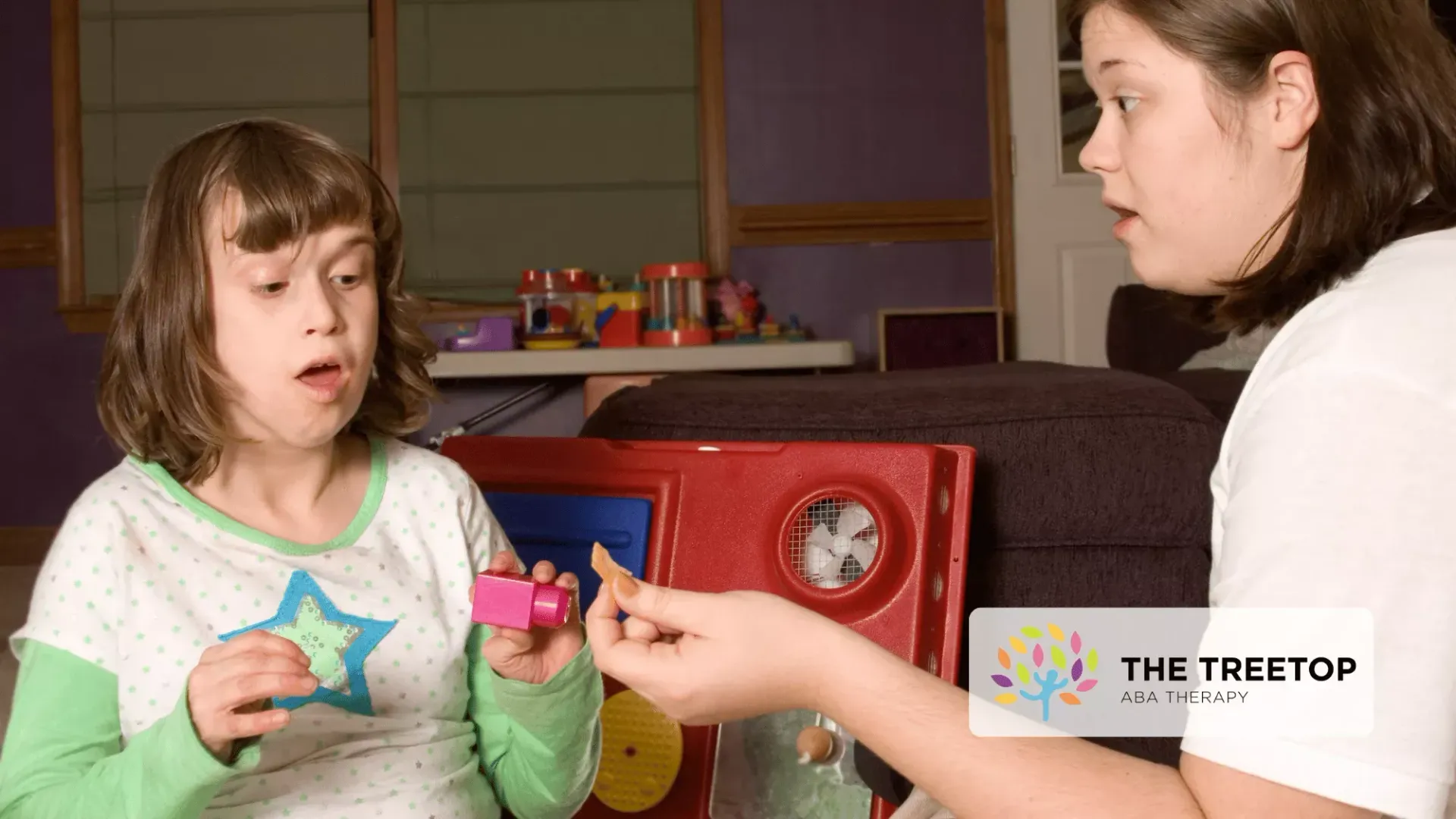


When families seek comprehensive support for their child with autism, understanding ABA OT speech coordination becomes essential for maximizing developmental progress. Many children receive multiple therapies simultaneously, yet these services often operate in silos, limiting their collective impact. Effective intervention requires seamless collaboration between Applied Behavior Analysis (ABA), occupational therapy (OT), and speech therapy professionals who share goals, communicate consistently, and reinforce each other's strategies.
Research demonstrates the power of this integrated approach. A peer-reviewed transdisciplinary study of 53 children with autism found significant improvements in clinical and functional outcomes over 12 months when evidence-based interventions were integrated across disciplines, with participants showing gains in adaptability, play, and reduced behavioral challenges. Children receiving coordinated care reached higher functional levels compared to parallel multidisciplinary models that lacked integrated strategies.
Is Your Child's Therapy Team Actually Working Together?
When ABA, OT, and speech therapy operate in silos, progress slows and families get mixed messages. TreeTop ABA specializes in coordinated, BCBA-led ABA that connects seamlessly with your child's other providers. We accept Medicaid and most insurance. Contact us today to discuss building an integrated therapy plan.
TL;DR: ABA OT Speech Coordination
Coordinated therapy integration combines behavioral strategies, functional skill development, and communication training into a cohesive treatment approach. Effective coordination creates a unified framework where each discipline amplifies the others' impact through shared goal-setting, standardized communication protocols, consistent data collection, and active family involvement.
Key Points
- Superior outcomes through integration. Transdisciplinary models integrating ABA-like behavioral approaches with sensory and speech elements yield measurable improvements in clinical functioning, behavioral regulation, and adaptive skills.
- Faster skill acquisition. Combined interventions accelerate development across communication, motor, and daily living domains by leveraging each discipline's strengths.
- Critical overlap areas. The three disciplines naturally complement each other in functional communication, motor skill reinforcement, social language pragmatics, and independence in daily activities.
- Family as coordinators. Parents play an irreplaceable role in supporting skill practice at home, with parent-led ABA demonstrating statistically significant gains in communication (P=.001-.04), social skills (P=.02), and emotional regulation (P<.001).
- Proven coordination models. Successful integration follows structured approaches including parallel treatment with collaborative planning, co-treatment sessions, transdisciplinary consultation, and hybrid models tailored to individual needs.
- Data drives collaboration. Shared measurement systems and regular team meetings prevent coordination from becoming an afterthought.
Why Coordinated ABA, OT, and Speech Therapy Delivers Superior Outcomes
Isolated therapy approaches leave significant developmental gains on the table. When ABA therapists focus exclusively on behavior modification without input from speech pathologists, children may learn to request items through picture exchange but struggle with natural conversation. When occupational therapists work on self-feeding skills without coordinating with ABA providers, behavioral strategies that motivate practice go unused.
Each profession brings unique expertise that strengthens the others when properly coordinated. ABA provides the behavioral framework for learning and motivation. OT addresses the sensory and motor components that enable functional participation. Speech therapy develops the communication tools children need to express themselves and connect socially.
Consider a real-world example: A 9-year-old boy with autism received integrated ABA therapy combined with sensory-based interventions addressing his expressive speech delays, motor difficulties, and self-injurious behaviors. Over the treatment period, his Vineland Adaptive Behavior Scale scores improved substantially across all domains: Communication (65 to 79), Daily Living Skills (68 to 75), Socialization (64 to 80), and Motor Skills (63 to 82). Parents reported decreased self-injurious behaviors and screaming (from 90% to 0%), improved sleep, and increased vocalization attempts within the first month. This progress emerged from therapists coordinating sensory strategies with behavioral reinforcement and communication goals.
A 2025 longitudinal study published in Frontiers in Pediatrics reinforced these principles, finding that both ABA and ESDM interventions yielded significant improvements when paired with personalized, multidimensional planning that matches interventions to individual symptom profiles. This integrated framework aligns with BACB practice guidelines emphasizing interdisciplinary coordination.
Comprehensive assessment evaluating children across behavioral, sensory, motor, and communication domains from the start ensures treatment plans address interconnected needs rather than treating each area in isolation.
Understanding the full range of ABA methods and techniques helps families see how ABA's behavioral toolkit provides the motivational and instructional backbone that makes coordination with OT and speech therapy so powerful.
Understanding Each Discipline's Role in the Coordination Framework
Successful ABA OT speech coordination requires clarity about what each discipline contributes and where their methods naturally intersect.
ABA's Focus: Behavior, Learning, and Skill Acquisition
Applied Behavior Analysis applies the science of learning to improve socially significant behaviors. Board Certified Behavior Analysts (BCBAs) design interventions using evidence-based techniques like positive reinforcement, prompting and fading, discrete trial training, and task analysis. These strategies systematically teach new skills while addressing challenging behaviors through functional behavior assessment and environmental modifications.
ABA's strength lies in its data-driven methodology using frequency recording, duration tracking, and interval sampling to measure progress objectively. This precision allows teams to adjust strategies quickly when interventions aren't working and maintain approaches that produce results.
OT's Focus: Functional Independence and Sensory Integration
Occupational therapy emphasizes building skills for independence in daily activities like self-care routines, mealtime participation, and academic task engagement. OT practitioners assess sensory processing differences affecting how children respond to their environment, then implement sensory integration strategies to help them self-regulate.
While ABA addresses behavior patterns and learning processes, OT targets the physical and sensory components that enable participation. An OT might work on the hand strength needed for buttoning shirts, the postural control required for sitting during circle time, or the sensory tolerance necessary for tolerating clothing textures. Life skills in children with autism develop most effectively when OT's functional focus and ABA's reinforcement framework work in tandem.
Sensory-based approaches complement behavioral strategies beautifully. A child receiving sensory breaks as part of their OT plan may show reduced challenging behaviors, while behavioral reinforcement systems motivate engagement in OT activities.
Speech Therapy's Focus: Communication and Social Language
Speech-language pathologists conduct comprehensive assessments of language, social communication, and augmentative/alternative communication (AAC) needs. Their interventions target receptive language (understanding), expressive language (speaking), articulation, and critically for autism, social pragmatic language.
While speech therapists teach the mechanics of communication, ABA provides the motivational framework. A speech therapist might work on producing specific sounds, while the ABA therapist ensures the child practices requesting preferred items using those sounds in natural contexts.
Social language goals particularly benefit from coordination. Speech therapy addresses conversation skills like turn-taking and topic maintenance, while ABA creates structured opportunities to practice with consistent reinforcement, and OT may address sensory regulation needed to remain engaged during social interactions.
Where These Disciplines Overlap and Complement Each Other
The most powerful outcomes emerge at the intersections of these disciplines:
- Functional communication development
thrives when speech therapy's language targets meet ABA's reinforcement strategies.
- Motor skill acquisition
accelerates when OT builds coordination while ABA maintains engagement through reinforcement.
- Social communication and language pragmatics
improve through collaborative intervention where speech therapy provides communication tools, ABA structures the teaching environment, and OT addresses sensory challenges interfering with social engagement.
- Daily living skills and independence benefit from OT's motor and sensory expertise combined with ABA's task analysis and reinforcement protocols.
In-home delivery facilitates these connections by allowing therapists to coordinate strategies within the child's natural environment, promoting skill generalization across settings.
Want a BCBA Who Coordinates With Your Child's Full Team?
TreeTop ABA's BCBAs don't just design behavior programs in isolation. They communicate with your child's OT and speech therapist, align on shared goals, and reinforce each discipline's strategies throughout every session. Learn more about how we work or contact us to discuss your child's current therapy setup.

Top 3 Coordination Models for Multi-Therapy Integration
Several proven frameworks support effective ABA OT speech coordination, each offering distinct advantages depending on your child's needs and available resources.
Parallel Treatment with Collaborative Planning
In parallel treatment, therapists from different disciplines work with your child separately but maintain regular communication about goals and strategies. Each therapist focuses on their discipline's unique contributions without compromise, with flexible scheduling accommodating varied provider availability.
The key to success lies in collaborative planning. Therapists meet regularly to align on priority goals, share progress data, and coordinate teaching methods. If speech therapy introduces new vocabulary, the ABA team incorporates those same words into daily teaching targets, and OT creates motor activities providing natural practice opportunities.
Co-Treatment Sessions: When and How to Implement
Co-treatment involves two or more therapists working simultaneously with your child during the same session, with the speech pathologist providing language models while the behavior analyst manages reinforcement and maintains engagement.
This intensive approach works best for specific, time-limited goals requiring immediate integration. Consider co-treatment when introducing complex communication systems like AAC devices, addressing severe feeding challenges involving motor skills and behavioral barriers, or teaching social communication in natural contexts where real-time modeling from multiple disciplines proves valuable.
Define clear roles for each therapist before sessions begin, designate one professional as session leader, schedule co-treatment strategically (typically 1-2 times weekly), and document specific objectives requiring integrated intervention.
Transdisciplinary Consultation Model
The transdisciplinary approach involves extensive cross-training where team members learn and apply strategies from other disciplines under appropriate supervision. A BCBA might implement sensory strategies typically delivered by OT, while the speech pathologist incorporates behavioral teaching techniques. Research on transdisciplinary models documents this approach's efficiency advantages for children with complex, overlapping needs.
This model requires significant upfront investment in team training but offers remarkable efficiency. The child experiences integrated approaches throughout their day rather than compartmentalized therapy sessions, skills transfer more readily when practiced using combined techniques, and fewer separate appointments reduce logistical burden on caregivers.
Professionals must practice within their scope of competence. While a BCBA can support sensory strategies recommended by OT, they cannot conduct independent sensory evaluations without appropriate training and credentials.
Essential Best Practices for Seamless ABA OT Speech Coordination
Regardless of which coordination model you implement, certain foundational practices ensure effective collaboration.
Unified Goal Setting and Treatment Planning
Siloed goal-setting undermines coordination before it begins. Unified planning starts with comprehensive assessment involving all disciplines. Each professional contributes their evaluation findings, then the team identifies priority areas where multiple interventions can support common objectives.
For instance, 'improve mealtime independence' becomes a shared goal where OT addresses utensil grasp and oral motor skills, ABA manages behavioral compliance with sitting and tasting new foods, and speech therapy works on requesting preferred items and following mealtime directions. Teaching life skills in children with autism becomes far more effective when all three disciplines target the same functional outcomes simultaneously.
Standardized Communication Protocols Between Therapists
Effective coordination depends on consistent information flow. Establish clear protocols for routine updates through weekly or biweekly check-ins, urgent communication for safety concerns or significant behavioral changes, progress reporting using standardized formats, and strategy modifications requiring immediate notification across the team.
Technology streamlines these processes. Shared digital platforms allow real-time documentation access, reducing redundant communication and ensuring all team members view current information.
Shared Data Collection and Progress Monitoring Systems
Coordinated care requires coordinated data. Implement shared measurement approaches using common assessment tools like the VB-MAPP, ABLLS-R, or AFLS that evaluate skills across behavioral, communication, and functional domains. The Vineland Adaptive Behavior Scales offer a particularly useful shared framework, measuring communication, daily living skills, socialization, and motor skills across disciplines in a single standardized tool.
Conduct progress evaluations on similar timelines (monthly, quarterly) and document progress on shared goals within unified systems where all therapists can view each other's data. Systematic progress monitoring across disciplines correlates with better outcomes, with families who actively track their child's development reporting higher satisfaction and stronger generalization of learned skills.
Regular Team Meetings and Case Conferences
Scheduled collaboration time prevents coordination from becoming an afterthought. Monthly team meetings provide opportunities to review progress data across all disciplines, discuss effective strategies and troubleshoot challenges, adjust treatment plans based on emerging needs, share insights about the child's preferences and learning style, and plan upcoming focus areas.
Include families in these meetings whenever possible. Parents provide invaluable context about home functioning and can clarify priorities when team members have differing perspectives. Case conferences for complex situations require more intensive collaboration, with all providers plus family members convening for structured problem-solving.
Cross-Disciplinary Training and Skill Sharing
Cross-training doesn't require formal certification in other disciplines but rather working knowledge of complementary strategies. ABA therapists gain understanding of sensory processing differences and positioning strategies. OT practitioners learn behavioral reinforcement techniques and systematic prompting hierarchies. Speech therapists benefit from behavioral strategies for increasing communication attempts and sensory considerations affecting oral motor function.
Collaborative cultures encouraging mutual learning through joint training sessions, observation opportunities, and regular knowledge sharing create truly integrated therapy experiences for children and families.
Ready for a Therapy Team That Actually Coordinates?
Unified goal-setting, shared data, and consistent communication between providers aren't bonuses. They're what makes therapy work. TreeTop ABA builds coordination into every case from the start. Schedule a free consultation to see how we approach multi-therapy integration for your child.
Family's Role in Supporting Multi-Therapy Coordination
Parents serve as the ultimate coordinators of their child's care, a responsibility requiring both support and empowerment from professionals.
Communicating Priorities Across All Therapy Teams
You know your child best. When therapy teams operate independently, they may prioritize different goals based on their disciplinary perspective. Communicate clearly what matters most to your family, whether that's independent toileting, academic pre-skills, or social participation. Effective teams incorporate family priorities into treatment planning, with each discipline contributing their piece to achieving what matters to you.
Maintain open dialogue about your child's performance at home. If you notice your child using new words spontaneously or tolerating haircuts better, share these observations. These real-world indicators often reveal progress before it shows in clinical measures.
Supporting Skill Generalization at Home
Skills learned in therapy sessions must transfer to daily life for meaningful impact. Research demonstrates that parent involvement as co-therapists increases skill transfer from clinical settings to home, with consistent reinforcement leading to generalized communication and social behaviors. Parent-led ABA programs show statistically significant gains including communication improvements (P=.001-.04), enhanced social skills (P=.02), and better emotional regulation (P<.001), with success rates increasing over 20 weeks across cohorts (more than 39% increase in ABA knowledge and more than 40% in implementation fidelity).
Parent training programs empower families to reinforce therapy goals when professionals aren't present, covering consistent reinforcement using the same reward systems across all settings, creating practice opportunities by embedding therapy targets into daily routines, recognizing progress to celebrate small victories, and troubleshooting challenges to know when to request additional professional support.
Home-based intervention settings provide superior generalization outcomes because parent-mediated training more closely mirrors real-life scenarios than clinic-based sessions.
Tracking Progress Across Disciplines
Consider maintaining a simple home log noting observations related to all therapy goals: new communication abilities like words used or successful requests made, motor skill improvements in self-care or coordination during play, and behavioral changes including reductions in challenging behaviors or increased compliance with routines.
Share this information with all team members. Your perspective provides invaluable context that clinical data alone cannot capture. Systematic reviews note that active parental engagement in interventions boosts motivation and continuity, reducing stress through improved parent-child interactions.
Overcoming Common Coordination Challenges
Even well-intentioned teams encounter obstacles that can disrupt effective collaboration.
Conflicting Approaches or Recommendations
Different disciplines sometimes recommend seemingly contradictory strategies. Speech therapy might suggest increasing verbal prompts to elicit language, while ABA emphasizes reducing prompts to build independence. OT may recommend sensory breaks during demanding tasks, while ABA focuses on building tolerance through graduated exposure.
These apparent conflicts often reflect different but compatible perspectives. The solution lies in transparent discussion where professionals explain their rationale and find middle ground. Perhaps verbal prompts can be used initially with a systematic fading plan, or sensory breaks might occur after completing partial work demands.
Request a team meeting specifically to address conflicting recommendations. Frame the discussion around your child's needs rather than territorial disputes. Competent professionals will collaborate to find integrated solutions.
Scheduling and Logistical Barriers
Coordinating multiple therapy schedules creates inevitable complexity. Practical strategies include prioritizing in-home services to eliminate transportation time and allow flexible scheduling, block scheduling by clustering therapy appointments on certain days rather than spreading across the entire week, virtual collaboration for team meetings and parent consultations via video conferencing, and designated coordinators when families benefit from hiring a care coordinator to handle scheduling logistics.
Insurance and Funding Coordination Issues
Insurance coverage for autism therapies varies dramatically by state, plan, and diagnosis. Navigate these complexities by understanding your benefits and requesting detailed explanations of coverage limits, coordinating authorizations by having providers communicate about authorization timing, advocating for medical necessity through documented justifications, and exploring supplemental funding through state early intervention programs, developmental disability waivers, educational services, and autism-specific grants.
Experience navigating insurance requirements across multiple states helps families maximize benefits and minimize administrative burden during the intake process. TreeTop ABA accepts Medicaid and most major insurance plans and handles benefits verification on behalf of families. Questions about disability benefits and autism often come up during this process, and our team can provide guidance on what to expect.
For families navigating the emotional reality of what a diagnosis means long-term, understanding whether autism gets worse with age is a common and important question. The research is clear that early, coordinated intervention is one of the most significant factors in shaping long-term functional outcomes.

Measuring Success: Key Performance Indicators for Coordinated Care
How do you know if ABA OT speech coordination is truly working for your child? Look beyond individual therapy progress notes to these integrated outcomes.
Progress on individualized goals serves as the primary indicator. Track mastery of shared objectives that require contributions from multiple disciplines. Research on transdisciplinary coordination demonstrates improvements in clinical and functional outcomes, reduced behavioral challenges and sensory issues, and gains in adaptability and play over 12-month periods.
Adaptive behavior improvements reflect real-world functioning. Tools like the Vineland Adaptive Behavior Scales (VABS) measure daily living skills, socialization, and communication domains. Coordinated therapy should drive gains in how your child functions across natural settings, not just performance during structured sessions.
Skill generalization across contexts indicates whether learning is truly meaningful. Does your child use speech therapy vocabulary during ABA sessions? Do sensory strategies from OT help during behavioral challenging moments? Does functional communication training transfer to school and community settings? Broad application across environments signals successful integration.
Family confidence and involvement represents a critical but often overlooked metric. Parent skill development independently reduces parenting stress while improving children's outcomes. Feeling competent in supporting your child's development across multiple skill areas demonstrates that coordination extends beyond professional teams to your home.
Reduced therapy intensity over time may seem counterintuitive, but successful intervention should gradually build independence requiring less professional support. As skills solidify and generalization improves, the need for intensive multi-therapy intervention typically decreases, indicating your child is achieving lasting gains.
6 Signs Your Child's Therapy Team Is Truly Coordinated
Share this checklist with any family navigating multi-therapy care.
- They share goals, not just updates.
Each therapist can articulate what the other disciplines are working on and how their own goals connect to the broader plan.
- They use the same language at home.
If ABA, OT, and speech are all using different terms and systems for the same skill, that's a warning sign.
- You're in the meetings.
Quality coordinated teams include parents in case conferences, not just as recipients of progress reports.
- Data flows between providers.
Therapists should know what progress is happening in other sessions, not just in their own.
- Skills generalize.
If your child can do something in therapy but never at home or school, coordination needs to improve.
- Intensity decreases as independence grows. The goal of coordinated therapy is to work itself out of a job by building lasting skills.
Conclusion: Building Your Child's Coordinated Therapy Team
Effective ABA OT speech coordination transforms isolated services into a powerful, integrated intervention that accelerates your child's progress across all developmental domains. The research is clear: children receiving coordinated multi-therapy approaches achieve superior outcomes in communication, motor skills, behavior management, and functional independence compared to fragmented services.
Success requires selecting providers who prioritize collaboration, establishing clear communication protocols, creating unified treatment plans with shared goals, and actively participating as a family in supporting coordination across all settings. The distinction between separate roles or comparisons between disciplines becomes less relevant than how effectively these professionals work together as your child's unified team.
Many quality ABA providers emphasize collaborative partnerships from the first consultation. Experienced BCBAs understand that effective intervention extends beyond behavior analysis to address the whole child in partnership with other disciplines and, most importantly, with families. Questions about autism and showering, self-care routines, and daily living independence are exactly the kinds of goals that become achievable when ABA and OT coordinate effectively on the same child.
Build a Coordinated Therapy Team That Delivers Real Results
Your child deserves therapists who work together, not in silos. TreeTop ABA's BCBA-led programs are built for collaboration, with intake processes designed to connect with your child's full care team from day one. We accept Medicaid and most insurance, and we offer free consultations to help you understand your options. Contact TreeTop ABA today or call us to take the next step toward comprehensive, coordinated care.
Related articles