
If you're exploring treatment options for a child on the autism spectrum, you've likely encountered Applied Behavior Analysis, or ABA. ABA is the most widely researched and insurance-covered intervention for autism, but it's not the only option. Many families discover that ABA works beautifully for their child, while others find that alternative or complementary therapies better meet their child's specific needs and learning style.
Understanding what's available beyond ABA helps you make an informed decision that aligns with your family's values, your child's strengths, and your clinical goals. Some families use alternatives exclusively; others layer ABA with other approaches to create a personalized treatment plan. The key is knowing what each option offers, who it's designed for, and what the research actually says.
At Treetop ABA, we believe parents deserve clear, honest information about every therapeutic path. This guide walks you through evidence-based alternatives to ABA therapy so you can chart the right course for your child.
Not Sure Which Approach Is Right for Your Child?
Treetop offers consultations to help you evaluate different therapeutic options and find the best fit for your family. Reach out today.
TL;DR: What You'll Learn in This Article
This article explores evidence-based alternatives to ABA therapy, including developmental approaches like Early Start Denver Model (ESDM), relationship-focused models like Floortime, school-based interventions like speech and occupational therapy, and complementary practices. You'll learn which approaches suit different ages, support needs, and learning styles, plus how to evaluate whether an alternative or blended approach might work for your family.
Key Points
- ABA is highly researched and insurance-covered, but alternatives exist for families seeking different philosophical approaches or complementary therapies.
- Developmental models like ESDM and Floortime focus on building relationships and spontaneous communication rather than behavior change.
- Speech-language pathology (SLP), occupational therapy (OT), and physical therapy (PT) address specific skill deficits and sensory needs.
- School-based interventions, parent coaching, and natural environment teaching reach children in everyday settings.
- Many families use a blended approach, combining ABA with other therapies rather than choosing a single framework.
- The best choice depends on your child's age, support needs, family values, and treatment goals.
Understanding Why Families Explore Alternatives
Philosophical Differences
ABA focuses on changing behavior through reinforcement and consequence. It works from the outside in: if we shift behavior, we shift outcomes. This approach has strong evidence, but some families prefer frameworks that prioritize relationships, communication development, or the child's internal motivation over external reward systems. Others value approaches grounded in developmental psychology, where the child's natural drive to connect and explore guides intervention.
Sensory and Co-occurring Needs
Autism commonly co-occurs with attention difficulties, anxiety, sensory processing differences, and learning disabilities. A child with profound sensory sensitivities might benefit from occupational therapy before or alongside ABA. A child with severe anxiety might need mental health support to access behavioral programming effectively. Alternatives and complementary therapies address these layers that ABA alone may not tackle.
Setting and Family Preference
Some families live in rural areas with limited ABA providers. Others prefer a community-based or school-integrated approach rather than clinic sessions. Still others value naturalistic, play-based learning in the child's everyday environments. These preferences don't negate the value of ABA; they reflect legitimate differences in lifestyle, access, and values.

Major Evidence-Based Alternatives
Early Start Denver Model (ESDM)
ESDM is a developmental, relationship-focused intervention for children ages 12-60 months. It combines ABA principles with developmental psychology, treating therapy as a social interaction rather than a series of discrete tasks. The therapist joins the child's activity, follows their interests, and embeds learning into play and natural routines. Research published in top journals shows that ESDM produces significant gains in IQ, language, and adaptive functioning, with effects comparable to or exceeding intensive ABA in early intervention populations. ESDM works best for younger children and families who prefer naturalistic, play-based learning.
Floortime (DIR/Floortime Model)
Floortime, developed by Stanley Greenspan, operates on the principle that relationships and emotional connections drive development. The adult enters the child's play world, follows their lead, and gradually expands the complexity of interaction. Unlike ABA, Floortime doesn't use structured trials or external rewards. Instead, it harnesses the child's intrinsic motivation to engage and relate. Floortime appeals to families who prioritize relationship-building and communication over discrete skill acquisition, though research support is more limited than ABA.
Speech-Language Pathology (SLP)
Many children on the spectrum have significant communication challenges beyond behavior. Speech therapists address articulation, pragmatic language, social communication, feeding, and voice quality. SLP can be delivered in schools, clinics, or homes. Unlike ABA's broad scope, SLP focuses narrowly on communication, making it a natural complement to behavioral intervention. For children whose primary challenges are expressive language or social communication rather than disruptive behavior, SLP may be the primary intervention.
Occupational and Physical Therapy
Occupational therapists (OT) work on sensory processing, fine motor skills, self-care routines, and daily living tasks. Physical therapists (PT) address gross motor development, balance, and movement coordination. These therapies are often school-funded and address concrete, observable skill gaps. A child with hypotonia (low muscle tone) benefits from PT; a child who struggles with sensory input or fine motor tasks benefits from OT. These are frequently used alongside ABA to address complementary goals.
Developmental and Relationship-Based Approaches
Parent-Coaching and Naturalistic Instruction
Rather than taking a child to a clinic multiple hours per week, some families work with a coach or consultant who teaches them to embed learning into everyday routines. This approach: sometimes called natural environment teaching or embedded instruction: works well for young children and families with constraints on availability. It's also less intensive (and often less expensive) than center-based programs, making it accessible to more families.
Responsive Education and Prelinguistic Milieu Teaching (RPMT)
RPMT focuses on the child's communication bids and teaches caregivers to respond and expand. It's grounded in language development research and suits children with minimal communication. Parents learn to recognize the child's non-verbal signals and build communication around them, which appeals to families prioritizing autonomy and natural development.
School-Based and Community Interventions
Special Education Services
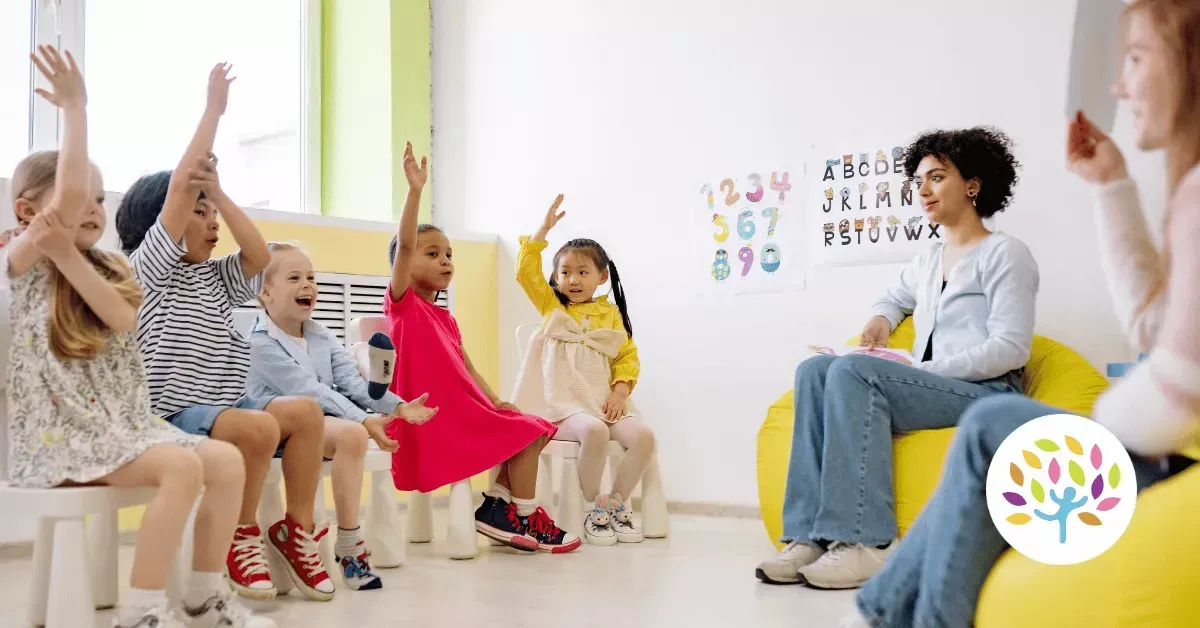
Many children receive significant support through school special education programs, including speech therapy, occupational therapy, visual supports, structured teaching, and behavioral supports. Schools are required to provide Free Appropriate Public Education (FAPE) under IDEA, making this a crucial resource. Some families choose school services as their primary intervention, supplemented by summer programs or private tutoring.
Social Skills and Recreation Programs
Many communities offer peer social skills groups, sensory-friendly recreation programs, and camp experiences designed for children on the spectrum. These are lower-pressure settings for practicing social and leisure skills alongside typically developing peers (or peers on the spectrum) without the clinical feel of a therapy clinic.
Choosing an alternative doesn't mean abandoning evidence-based practice. It means selecting a framework that matches your child's profile, your family's needs, and your values. Many children thrive with a blended approach: ABA for behavior, speech therapy for communication, occupational therapy for sensory and fine motor needs, and parent coaching for generalization across settings.
Ready to Explore Your Options?
Treetop can help you evaluate alternatives and design a personalized intervention plan. Schedule a consultation to discuss what might work best for your child.
Comparing Alternatives: A Quick Reference
- ESDM: Best for ages 12-60 months; relationship-focused; strong research in early intervention.
- Floortime: Relationship and communication-centered; less research support than ABA but appealing to families valuing autonomy.
- SLP/OT/PT: Targeted to specific skill deficits; often school-funded; naturally complement ABA.
- Parent Coaching: Naturalistic, home- and community-based; accessible for younger children or families with time constraints.
- School Services: Required under law; integrated into daily environment; often free to families.
Frequently Asked Questions
Is ABA the only evidence-based treatment for autism?
No. ABA has the largest research base, but other approaches have solid evidence too. ESDM, speech therapy, and occupational therapy all have peer-reviewed research supporting their effectiveness. The difference is that ABA has more studies in more settings, while other approaches may have evidence for narrower, specific outcomes.
Can I use an alternative instead of ABA?
Yes, absolutely. It depends on your child's profile and goals. Some children thrive with ESDM alone, especially if they're young. Others benefit most from a combination of therapies. There's no one-size-fits-all answer. Working with your pediatrician, school team, and a specialist can help you determine the right fit.
If I choose an alternative, will my insurance cover it?
Coverage varies widely. ABA is the most consistently covered intervention for autism because it's recognized by insurance companies and has extensive evidence. Other therapies like speech and occupational therapy are often covered through insurance or school, but coverage depends on your plan and your child's eligibility. Parent coaching and Floortime are less reliably covered.
Can I combine ABA with other therapies?
Yes, this is very common and often recommended. For example, a child might receive ABA for behavior, speech therapy for communication, occupational therapy for sensory and fine motor skills, and parent coaching for generalization. The key is coordinating between providers so goals align and strategies don't conflict.
What if my child isn't responding to ABA?
If progress stalls, it's worth exploring whether ABA is the right framework for your child, whether the treatment plan needs adjustment, whether there are medical or sensory issues interfering, or whether supplemental therapies might help. Sometimes families find that adding speech therapy, addressing anxiety with a therapist, or switching to a more naturalistic approach unlocks progress. A consultation with a different team or specialist can provide fresh perspective.
Conclusion
ABA is evidence-based, accessible, and effective for many children with autism. But it's not the only path, and it's not right for every child or family. Understanding alternatives: from ESDM and Floortime to speech and occupational therapy to school services and parent coaching: empowers you to design an intervention plan tailored to your child's needs, your family's values, and your community's resources.
The goal is progress toward independence, communication, and wellbeing. Whether you reach that through ABA, alternatives, or a blend of approaches, what matters is that your child is learning, safe, and thriving. Treetop is here to help you explore your options, answer your questions, and support whatever path you choose.
Related articles