
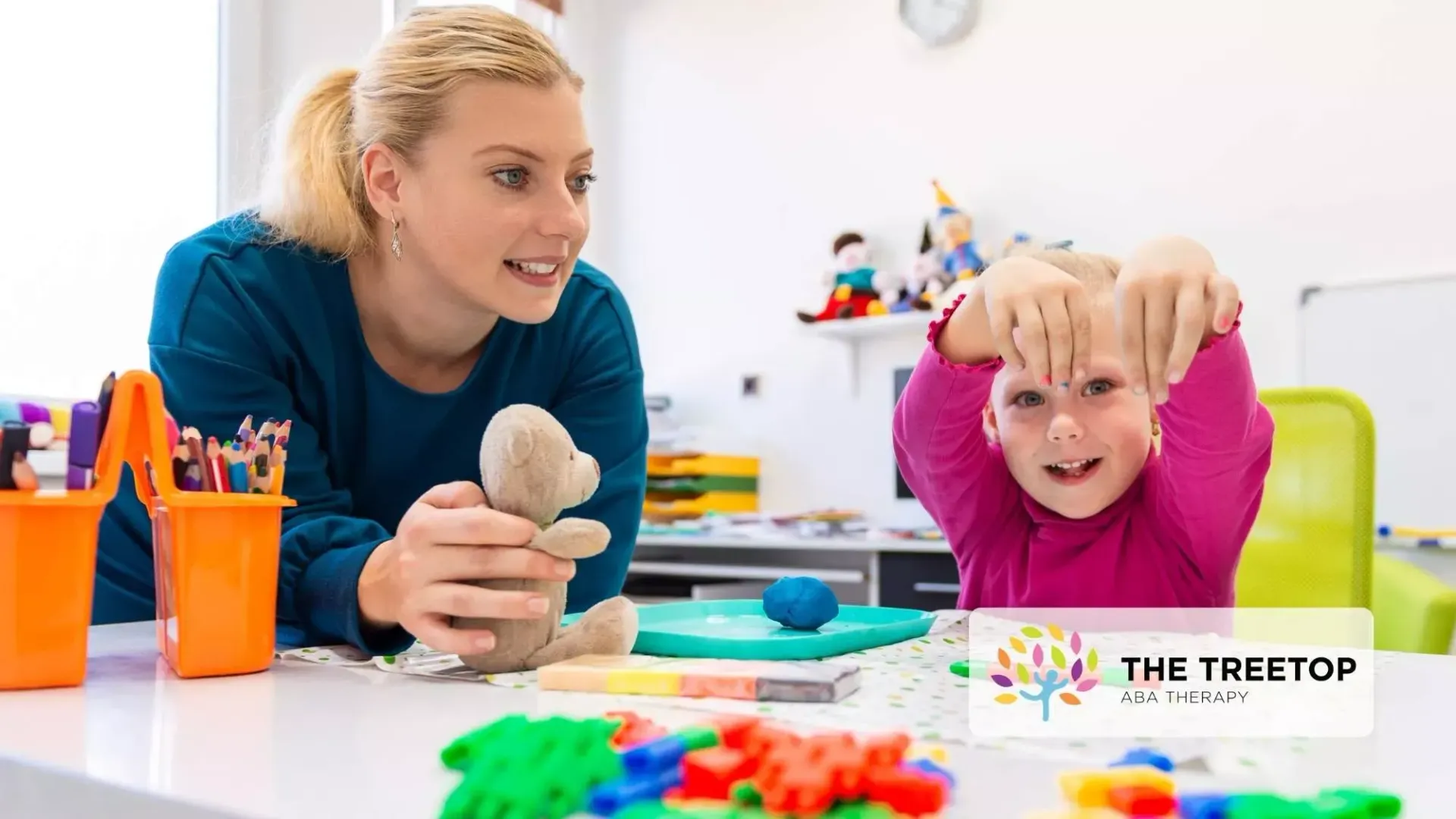
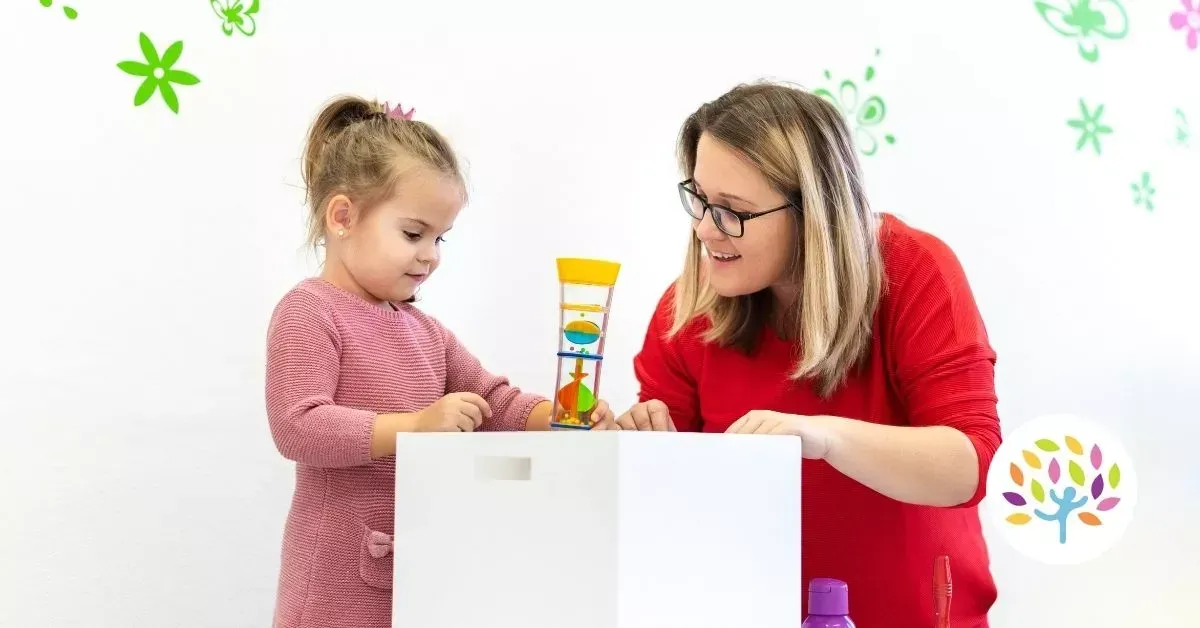
When you picture ABA therapy, you might imagine a clinic setting: a bright room with a table, a therapist and child working one-on-one, visual supports on the walls. That's center-based ABA, and for many families, it's been transformative. Your child learns in a controlled, predictable environment designed specifically for therapy, with minimal distractions and all materials at hand. The therapist provides intensive, skilled instruction in a setting away from the chaos of home or school.
But center-based therapy also comes with trade-offs. It requires consistent travel, it happens outside the child's natural environments, and skill generalization to home and community can be slower. For some families and children, a clinic-based center is perfect; for others, home-based or school-integrated services are more practical. Understanding the real advantages and drawbacks of center-based ABA helps you decide if it's the right fit.
This guide explores center-based ABA: what it looks like, why families choose it, what to expect, and how to evaluate whether it's the right setting for your child.
Exploring Center-Based ABA?
Treetop offers clinic-based ABA therapy with certified therapists, flexible scheduling, and family-centered care. Contact us to learn more about our center-based programs.
TL;DR: What You'll Learn in This Article
Center-based ABA therapy takes place in a dedicated clinic or therapy center, typically one-on-one between child and therapist for 1-2 hour sessions, 2-5 days per week. It offers controlled environment, focused instruction, and specialized materials in a setting free from home and community distractions. Advantages include intensive therapist attention, structured learning, peer interaction opportunities, and family services (consultations, parent training). Disadvantages are cost, travel time, and the challenge of generalizing skills from clinic to home and school. Center-based therapy works best for young children, children with significant support needs, and families with resources and transportation. Research shows center-based ABA produces strong outcomes, especially when combined with home and school coordination. Success depends on choosing a quality center, communicating goals clearly, and viewing the center as one part of a comprehensive program.
Key Points
- Center-based ABA occurs in a dedicated therapy clinic, typically 1-2 hours per session, 2-5 days per week, one-on-one with a therapist.
- The center environment is controlled, distraction-free, and designed for intensive instruction with specialized materials and supports.
- Research supports the efficacy of center-based ABA, particularly in early childhood and for children with significant behavior or communication deficits.
- Advantages include focused instruction, therapist expertise, peer interaction, and family services; disadvantages include cost, travel, and generalization challenges.
- Center-based therapy works best combined with home and school coordination to bridge learning across settings.
- Choosing a quality center with trained staff, clear communication, and family involvement is essential.
What Does Center-Based ABA Look Like?
Structure and Setting
Center-based ABA is delivered in a private clinic or therapy center operated by an ABA company or practice. Centers range from small single-room spaces to large facilities with multiple therapy rooms, waiting areas, offices, and sometimes recreational spaces. Therapy rooms are typically calm, bright spaces with a table, chairs, minimal clutter, and teaching materials organized for easy access. The environment is intentionally structured to minimize distractions and support focus.
The Typical Session
A typical session lasts 60-120 minutes. The child and therapist work on a curriculum of skills targeted in the treatment plan. A session might include discrete trial training on specific skills (e.g., receptive language, following instructions), natural environment teaching embedded in play or routines, breaks for reinforcement, and data collection on progress. Sessions follow a pattern: review of goals, work on skills, frequent breaks and reinforcement, and sometimes informal parent feedback at pickup.
Frequency and Duration
Intensity varies. Some children attend 2-3 times per week; others come 4-5 days per week. Intensive programs might mean 2-hour sessions daily. A typical moderate-intensity program is 3-4 sessions per week, 60-90 minutes per session. Duration varies from a few months to several years, depending on the child's progress and goals.
Advantages of Center-Based ABA
Controlled, Distraction-Free Learning Environment
The clinic is designed specifically for therapy. There's no sibling interruption, no cluttered home environment, no unexpected stimuli. For children with attention difficulties, sensory sensitivities, or difficulty filtering distractions, this controlled space is a huge advantage. The child can focus entirely on the task and the therapist.
Intensive, Skilled Instruction
The therapist is entirely focused on your child for the full session. There's no multi-tasking; there's no balancing the needs of other kids. This allows for rapid skill acquisition, precise error correction, and creative problem-solving when a child is stuck on a particular skill. Research shows this intensity produces measurable, rapid progress.
Specialized Materials and ABA Expertise
Therapy centers have libraries of teaching materials, visual supports, and specialized equipment. A therapist might use tablet apps, communication devices, visual schedules, or behavior-specific tools that wouldn't typically be available at home. The therapist also has deep ABA training and can troubleshoot quickly when a child isn't responding.
Peer Interaction Opportunities
Many centers include group activities, shared spaces, or even group sessions where children interact with peers. This provides low-pressure opportunities for social skill practice, model observation, and peer interaction without the intensity of a classroom.
Family Support and Consultation
Quality centers offer family services: parent training sessions, consultations on home strategies, school coordination, and progress updates. This isn't hands-off clinic care; it's coordination across settings.
Disadvantages and Challenges of Center-Based ABA
Cost
Center-based ABA is expensive. Expect $100-$200 per hour depending on your area and the center's credentials. A typical program at $150/hour, 3 times per week, 60 minutes, costs $19,200 per year. Without insurance, this is out of reach for most families. Even with insurance, copays and deductibles can strain family budgets.
Travel and Logistics
Consistent clinic attendance requires reliable transportation and schedule flexibility. A parent working full-time may struggle to attend sessions consistently. Travel time eats into the day. During severe weather, illness, or family disruptions, attendance falters, interrupting progress.
Generalization Challenges
A skill learned at the clinic table may not automatically occur at home or school. The child learns to request in the clinic but may not request at dinner. This is not a failure of center-based ABA; it's a reality of any learning. However, it means home and school coordination are essential. Without it, you risk a well-behaved child in the clinic who struggles at home.
Limited Generalization to Real-World Settings
The clinic is artificial. Real-world communication happens in messy, unpredictable environments: playgrounds, restaurants, classrooms. Transitioning skills from clinic to these settings requires intentional bridging. Many providers do community-based sessions or provide home-based coaching to address this, but pure clinic care can leave this gap.
The Research on Center-Based ABA Outcomes
What Do Studies Show?
Research on center-based ABA consistently shows strong outcomes. A meta-analysis published in BMC Psychiatry found that ABA (including center-based models) produces significant improvements in IQ, language, adaptive functioning, and behavior for children with autism. A study specifically examining center-based treatment found that children receiving intensive center-based ABA (25+ hours per week) showed substantial gains in all major domains. The key variable was intensity and duration; longer, more intensive programs produced larger gains.
Who Benefits Most?
Research and clinical experience suggest center-based ABA is particularly beneficial for:
- Young children (ages 2-7) with early diagnosis and intensive enrollment
- Children with minimal language or significant communication deficits
- Children with severe disruptive behavior or safety concerns
- Children who need intensive, hands-on instruction in motor, academic, or communication skills
- Children whose home environment is chaotic or non-supportive of therapy
Making Center-Based ABA Work: From Selection to Implementation
Choosing a Quality Center
Not all ABA centers are created equal. Look for:
- BCBA-D (board certified) director and BCBAs (not just RBTs) supervising therapists
- Staff retention and low turnover (constant staff changes disrupt continuity)
- Clear curriculum aligned with your child's goals
- Family services: parent training, regular progress updates, school coordination
- Transparent communication about progress, challenges, and adjustments
- Willingness to blend with other services (school, OT, SLP) rather than insisting on exclusive ABA
Clarifying Goals and Communication
At intake, be explicit about your goals. Is the priority behavior reduction, communication, school readiness, independence in self-care? A good center elicits these goals, builds them into the treatment plan, and measures progress against them quarterly. Ask for regular data and clear explanations of what the numbers mean.
Coordination Beyond the Center
Center-based ABA is strongest when part of a coordinated system. Ask your provider:
- How will the center coordinate with my child's school?
- What strategies should we implement at home, and how will we learn them?
- When will we transition skills to natural environments (community, home, school)?
- How is the center-based program building toward independence and community integration, not center-dependence?
Ready to Explore Center-Based ABA?
Treetop offers center-based ABA therapy with certified BCBAs, trained staff, and family-centered care. Contact us to schedule a tour and consultation.
Frequently Asked Questions
How long should my child stay in center-based ABA?
Duration varies. Some children need 1-2 years of intensive center-based work, then graduate to maintenance or school-only services. Others need longer. The goal isn't to maximize center hours; it's to move toward independence and community integration. Ask your provider: "What does success look like, and what transitions are we planning?"
Can my child transition from center-based to school or home-based services?
Yes. A well-designed program includes a graduation pathway. As the child masters foundational skills at the center, therapy can shift to school coordination or parent-coached home sessions. The transition should be gradual and planned, not abrupt.
What if the center doesn't feel like a good fit?
Trust your gut. You're the expert on your child. If communication is poor, progress is unclear, staff seem disconnected, or your values don't align, explore other options. A strong center-family relationship is essential; if it's not there, it probably won't develop.
How do I know if my child is making progress?
A quality center shares data regularly and clearly explains progress toward goals. You should receive written progress reports at least quarterly, access to session data, and clear communication about what's working and what isn't. If you're unsure whether your child is progressing, ask for a detailed explanation. If the answer is vague, that's a red flag.
Can we do center-based ABA part-time?
Yes. Some families start with 2-3 sessions per week as a lower-cost, less-intensive option. Others use center sessions plus home coaching to create a hybrid. Discuss intensity options with your provider; they may be flexible.
Conclusion
Center-based ABA offers intensive, skilled instruction in a controlled environment designed specifically for therapy. For young children with significant needs, and for families with resources and access, center-based programs have produced strong outcomes documented in research. The key is choosing a quality center, clarifying goals, coordinating across all the child's settings, and viewing the center as part of a comprehensive program, not a standalone solution.
The most successful center-based programs bridge from clinic to home to school, intentionally building skills that generalize and fade dependence on the center as the child progresses. If you're considering center-based ABA, start by touring local centers, speaking with families who use them, and honestly assessing your family's resources, schedule, and preferences. The right fit makes all the difference.
Related articles