
You searched for activities you can do with your autistic child. Most lists you will find online give you fifty bullet points, each with a single sentence of explanation and no context for why that activity helps or how to make it work for your child's specific needs. That is not what we are going to do here.
This guide organizes fifty activities into categories based on the developmental skills they support, explains the research behind each category, and gives you practical tips for adapting activities to your child. Some of these activities you can start today with materials already in your home. Others involve professional programs worth exploring. All of them have something in common: evidence suggesting they can support your child's growth in areas that matter.
In this article: Why activities matter for autistic children, a safety note every parent needs to read first, and fifty activities organized into seven categories: sensory and motor, creative arts, music and rhythm, water-based, animal-assisted, social and cognitive, and outdoor and nature activities. Each category includes the research behind it and tips for getting started.
Why Structured Activities Matter for Autistic Children
Before diving into the list, it helps to understand what makes activities therapeutic rather than just recreational. The National Clearinghouse on Autism Evidence and Practice (NCAEP) at the University of North Carolina conducted a comprehensive review of over 31,000 research articles and identified 28 focused intervention practices with evidence of positive effects for autistic children and youth. Many of these evidence-based practices, including sensory integration, exercise, music-mediated intervention, and social skills training, align directly with the activity categories in this guide.
The key insight from this research is that activities are most beneficial when they are matched to your child's individual goals and sensory profile. An activity that works beautifully for one autistic child may overwhelm another. This is why we have organized activities by the developmental skills they target rather than simply listing them, so you can focus on the areas most relevant to your child's needs.
Activities also serve a purpose that is easy to overlook: they give you and your child a way to connect. Many parents report that shared activities, especially ones aligned with their child's interests, create moments of genuine connection that are harder to find in everyday routines. That relational benefit matters just as much as any measurable developmental gain.
A Safety Note Parents Must Read First: Water and Drowning Risk
Before we get to the list, one critical safety fact needs to be front and center. According to research from Columbia University's Mailman School of Public Health, children with autism are 160 times more likely to die from drowning than the general pediatric population. The CDC confirms that deaths among people with autism spectrum disorder are nearly 40 times more likely to be caused by drowning compared to deaths in the general population. The National Autism Association found that accidental drowning accounted for 71 percent of deaths related to wandering in autistic children over a six-year study period.
This does not mean your child should avoid water. In fact, researchers at Columbia specifically stated that once a child is diagnosed with autism, parents should immediately help enroll the child in swimming classes, calling swimming ability an imperative survival skill. But it does mean that any water-related activity requires constant, active supervision from a designated adult who is not distracted by a phone, conversation, or other children. It also means that water safety precautions like pool fences, door alarms, and GPS devices should be standard in any household with an autistic child, regardless of whether the child seems interested in water.
1. Sensory and Motor Activities
Research consistently shows that between 69 and 93 percent of autistic children experience some form of sensory processing difficulty. Activities that provide controlled sensory input can help children regulate their nervous systems, improve body awareness, and build fine and gross motor skills. Sensory integration is recognized as one of the 28 evidence-based practices identified by the NCAEP review.
Sensory Play
1. Sensory bins. Fill a container with rice, dried beans, kinetic sand, or water beads and add scoops, cups, and small toys. Sensory bins let your child explore textures at their own pace while building fine motor coordination. Start with dry materials if your child is tactile-defensive, and gradually introduce wetter textures as they become comfortable. You can theme bins around your child's interests, whether that is dinosaurs, letters, or colors.
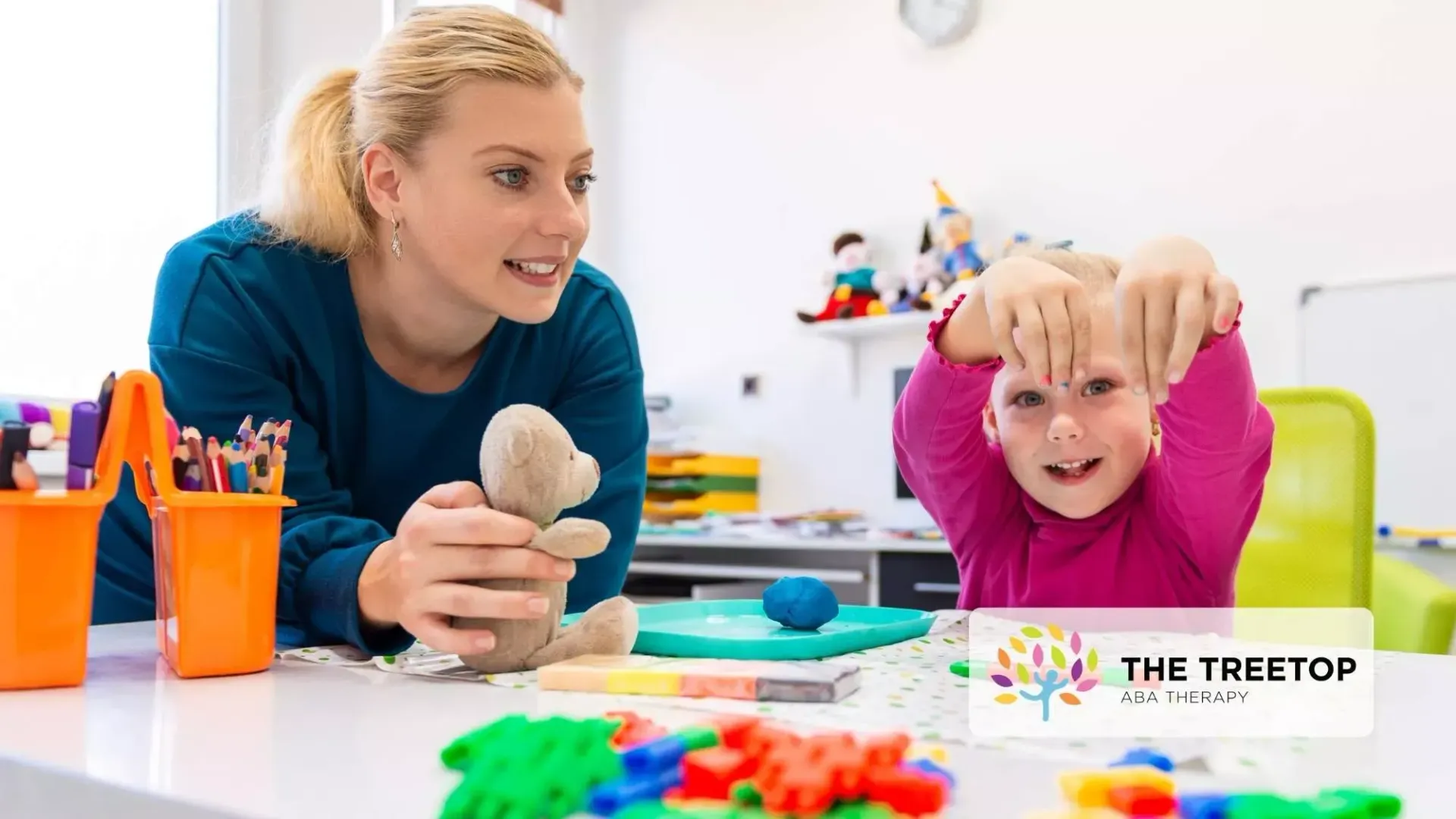
2. Playdough and clay. Kneading, rolling, and shaping dough strengthens hand muscles needed for writing and self-care tasks like buttoning clothes. You can make playdough at home with flour, salt, water, and food coloring. Add essential oils for an additional sensory layer, or hide small objects inside the dough for your child to find, turning it into a fine motor treasure hunt.
3. Finger painting. The tactile experience of paint on skin provides sensory input while encouraging creative expression. If your child resists getting messy, try putting paint inside a sealed ziplock bag taped to a table. They get the visual experience and can push the colors around without direct skin contact. As they become more comfortable, transition to direct finger painting.
4. Water table play. Pouring, scooping, and splashing in a water table builds hand-eye coordination and provides calming proprioceptive input. Add bubbles, food coloring, or floating toys to keep the experience novel. Always supervise water play directly, given the elevated drowning risk discussed above.
5. Sand play. Whether at a sandbox or the beach, sand provides grounding tactile input and opportunities for imaginative play. Wet sand is particularly good for building, which works on bilateral coordination and hand strength. Bring along molds, shovels, and trucks to extend play.
Gross Motor Activities
6. Trampolining. Jumping on a trampoline provides intense proprioceptive and vestibular input that many autistic children find both regulating and enjoyable. A small indoor trampoline with a handle bar is a safer option for younger children. Many occupational therapists recommend trampolining as part of a sensory diet because it can help a child transition from a dysregulated state to a calmer one.
7. Obstacle courses. Set up a simple course using cushions, tunnels, balance beams (a strip of tape on the floor works), and hula hoops. Obstacle courses work on motor planning, which is the ability to figure out how to move your body through space in a coordinated way. This is an area where many autistic children benefit from practice. You can make the course progressively more challenging as your child's skills grow.
8. Swinging. The vestibular input from swinging is one of the most powerful sensory organizing activities available. Linear swinging (front to back) tends to be calming, while rotary swinging (spinning) tends to be alerting. Pay attention to how your child responds to different swinging motions to determine what type of vestibular input they need.
9. Yoga. Yoga improves body awareness, balance, and flexibility while also teaching breathing techniques that can help with emotional regulation. There are yoga programs designed specifically for autistic children that use visual supports and simplified poses. Even a five-minute routine of three to four poses before bed can become a calming part of your child's evening transition.
10. Martial arts. Structured martial arts classes build physical fitness, discipline, body awareness, and social skills like turn-taking and following instructions. Many dojos offer adaptive classes for children with developmental differences. The structured, predictable nature of martial arts, with its clear rules and progression system, aligns well with the way many autistic children prefer to learn.

2. Creative Arts Activities
A systematic review published in 2024 examined twenty studies involving 781 autistic children and found that all but two showed benefits from creative arts therapy interventions. The American Journal of Occupational Therapy published a scoping review finding that art activities like painting and drawing improve communication and social skills in children with autism through effective self-expression. Art provides a nonverbal channel for communication that can be especially valuable for children who struggle with spoken language.
11. Drawing and coloring. Drawing gives children a way to process their experiences and communicate ideas that they may not be able to express verbally. Coloring within lines works on fine motor control and visual-motor integration. Provide a variety of tools including thick crayons, colored pencils, and markers so your child can find what feels best in their hand.
12. Collage making. Tearing and gluing paper, fabric, and other materials builds fine motor skills while allowing open-ended creative expression. Collage is a forgiving medium because there is no wrong way to do it, which can reduce the anxiety some autistic children feel about producing a correct result.
13. Sculpture with clay or playdough. Three-dimensional art builds spatial reasoning and bilateral coordination. Air-dry clay lets your child create something they can keep without needing a kiln. Start with simple shapes and let your child's interests guide what they make.
14. Painting with different tools. Beyond brushes, try sponges, cotton balls, bubble wrap, or even toy cars dipped in paint. Each tool provides a different sensory experience and motor challenge. Painting on different surfaces like paper plates, cardboard, or even rocks adds variety.
15. Photography. For older children or those with strong visual interests, photography encourages close observation of the world and can become a meaningful way to share their perspective with others. A simple digital camera or an old phone (with no service) works well. Create a project around their special interest, like photographing every type of train they see or every flower in the neighborhood.
16. Building with LEGO or blocks. Construction play develops spatial reasoning, fine motor skills, planning, and problem-solving. LEGO sets with step-by-step visual instructions align well with the structured learning style many autistic children prefer. Start with larger blocks for younger children and progress to smaller sets as fine motor skills improve.
17. Crafting and model building. Model airplanes, bead jewelry, or paper folding (origami) all provide opportunities to follow sequential instructions while creating something tangible. These activities work on patience, attention to detail, and the satisfaction of completing a multi-step project.
3. Music and Rhythm Activities
Music therapy has one of the strongest evidence bases among creative interventions for autism. A Cochrane systematic review of ten studies found that music therapy was superior to standard care for improving social interaction, nonverbal communication, verbal communication, and initiating behavior in autistic children. A meta-analysis of eight randomized controlled trials with 608 participants, published in Frontiers in Psychiatry, found that music therapy was associated with a statistically significant increase in social reactions among children with autism. Research from the same field suggests that music and language share neural processing mechanisms, and that rhythm and melody training may support language comprehension and production.
18. Playing instruments. Drums, xylophones, tambourines, and maracas are all accessible entry points. Drumming in particular provides proprioceptive input to the hands and arms while teaching rhythm and timing. You do not need expensive instruments. Pots and wooden spoons work perfectly well for exploring rhythm at home.
19. Singing together. Singing familiar songs builds language skills, memory, and social connection. Many children who have difficulty with spoken conversation find singing easier because music engages different neural pathways than speech. Repetitive songs with predictable patterns (like "Old MacDonald" or "Wheels on the Bus") are especially accessible.
20. Listening to music. Some autistic children use music to regulate their emotions, choosing calming music when overstimulated or energizing music when they need to increase alertness. Help your child build a playlist for different moods and situations. This can become a self-regulation tool they use independently.
21. Dancing. Moving to music combines sensory input (proprioceptive, vestibular, and auditory) with physical exercise and opportunities for social interaction. There are no wrong ways to dance, which makes it a low-pressure activity. Try dancing in your living room with your child, following their lead on the type of movement they enjoy.
22. Rhythm games. Clapping patterns, call-and-response drumming, or rhythm-based video games build auditory processing and timing skills. These games also practice turn-taking in a structured, predictable format that many autistic children find comfortable.
23. Musical social stories. Setting social stories or routines to simple melodies can make them more memorable and engaging. For example, a hand-washing song or a "getting ready for bed" tune can help your child navigate transitions more smoothly.
4. Water-Based Activities
Aquatic activities have strong research support for autistic children. A 2024 systematic review in the Review Journal of Autism and Developmental Disorders analyzed 19 intervention studies involving 429 children with ASD and found that aquatic interventions improved both motor and social skills while significantly decreasing autistic behaviors. A study published in the International Journal of Environmental Research and Public Health found that both technical and game-based aquatic training improved gross motor skills and reduced stereotyped behaviors. The University of Kansas developed the Sensory Enhanced Aquatics program specifically for autistic children, with research showing 100 percent of parents felt their children were safer around water after eight lessons.
Remember: all water activities require constant, direct supervision by a designated adult. Never assume someone else is watching.
24. Swim lessons (adaptive). Specialized swim lessons designed for autistic children use visual supports, minimal verbal cues, and sensory modifications to teach water safety and swimming skills. Look for instructors certified in adaptive aquatics. Given the drowning statistics discussed earlier, this is one of the most important activities on this entire list. Columbia University researchers have specifically recommended that swim lessons should begin immediately after an autism diagnosis.
25. Pool play with supervision. Beyond structured lessons, free play in the pool provides deep pressure sensory input from the water, resistance for muscle strengthening, and a uniquely calming environment. The hydrostatic pressure of water provides constant, even sensory input that many autistic children find regulating.
26. Water games. Pouring water between containers, using squirt guns at targets, or chasing pool noodles all combine the sensory benefits of water with motor skill practice and opportunities for social play.
27. Aquatic therapy. Formal aquatic therapy led by an occupational therapist, physical therapist, or speech therapist uses the properties of water, including buoyancy, hydrostatic pressure, and temperature, as therapeutic tools. This is a clinical intervention that requires a referral, but the evidence base is strong for improvements in motor skills, sensory processing, and social interaction.

5. Animal-Assisted Activities
Equine-assisted therapy has a particularly strong evidence base for autism. A landmark randomized controlled trial published in the Journal of the American Academy of Child and Adolescent Psychiatry studied 116 children with autism ages 6 to 16 and found that therapeutic horseback riding produced significant improvements in irritability, hyperactivity, social cognition, social communication, and total number of words used compared to a control group. A 2023 systematic review and meta-analysis of equine-assisted activities for autism found improvements across social, communicative, and behavioral domains. Researchers noted that the rhythmic movements of horseback riding can activate the vestibular system, enhance speech production, and improve learning outcomes.
28. Therapeutic horseback riding. Led by a certified therapeutic riding instructor, these sessions teach horsemanship skills while targeting therapeutic goals including balance, coordination, social skills, and communication. The rhythmic, three-dimensional movement of the horse's gait provides sensory input similar to human walking, which can improve posture, core strength, and sensory integration. Programs are available through PATH International certified centers.
29. Hippotherapy. Different from therapeutic riding, hippotherapy is a clinical treatment provided by licensed occupational therapists, physical therapists, or speech-language pathologists who use the horse's movement as a therapeutic tool. This requires a prescription and is sometimes covered by insurance. It is particularly effective for children who have not responded well to traditional therapy approaches.
30. Pet care routines. Caring for a family pet teaches responsibility, empathy, and routine. Simple tasks like feeding, brushing, or walking a dog can be broken into visual step-by-step sequences. The bond between a child and a pet can also provide emotional comfort and reduce anxiety. If a dog or cat is not feasible, smaller animals like fish, guinea pigs, or rabbits still offer opportunities for caregiving practice.
31. Farm visits. Visiting a farm or petting zoo exposes children to different animals, textures, sounds, and smells in a controlled setting. Many farms offer programs specifically for children with special needs. These visits can also be a way to practice being in new environments and handling unexpected sensory experiences.
6. Social and Cognitive Activities
Social skills training is one of the most well-established evidence-based practices for autistic children. The NCAEP review confirmed strong evidence for peer-mediated instruction, social narratives, and structured social skills groups. Activities in this category create natural opportunities for practicing social skills like turn-taking, perspective-taking, shared attention, and conversation.
32. Board games. Board games are structured social interactions with clear rules, which makes them more accessible than unstructured social play for many autistic children. Start with simple turn-taking games and progress to games that require strategy, negotiation, or teamwork. Cooperative games, where players work together against the game rather than against each other, can be particularly effective for building collaboration skills without competitive stress.
33. Video games (cooperative). Cooperative video games provide structured social interaction with clear goals and visual feedback. They can improve hand-eye coordination, problem-solving, and the ability to work toward a shared objective. Set time limits and choose games with age-appropriate content. Playing together rather than alone maximizes the social benefit.
34. Cooking and baking together. Following a recipe teaches sequencing, measurement, patience, and following multi-step instructions. Cooking also provides rich sensory experiences through textures, smells, and tastes. Use visual recipe cards with pictures for each step. Start with simple recipes that have immediate results, like smoothies or no-bake snacks, before moving to longer projects.
35. Reading together. Shared reading builds language skills, vocabulary, and the ability to understand narratives and character emotions. For children who prefer nonfiction, books about their special interests are just as valuable as stories. Asking questions during reading, like "how do you think this character feels?" or "what do you think will happen next?", builds perspective-taking and prediction skills.
36. Role-playing and pretend play. Pretend play builds imagination, social understanding, and flexibility. Some autistic children need more support to engage in pretend play than neurotypical peers. Start by joining their existing play patterns and gradually introducing new elements. If your child lines up toy cars, sit next to them and start creating a story about where the cars are going.
37. Puzzle-solving. Jigsaw puzzles build visual-spatial skills, problem-solving, patience, and the ability to see how parts relate to a whole. Start with puzzles matched to your child's ability level and gradually increase complexity. Many autistic children find puzzles deeply satisfying because they have clear, logical solutions and a definitive endpoint.
38. Science experiments. Simple kitchen science, like making a baking soda and vinegar volcano, growing crystals, or making slime, combines sensory experiences with cause-and-effect learning. These experiments teach hypothesis-testing in a hands-on way. Many autistic children who struggle with abstract concepts thrive when they can see and touch the results of their experiments.
39. Coding and technology. For children drawn to logic and patterns, coding offers a structured way to develop problem-solving and sequential thinking skills. Visual programming tools like Scratch are designed for children and use block-based coding that removes the barrier of typing syntax. Many autistic individuals go on to excel in technology fields, and early exposure to coding can nurture that potential.
40. Collecting. Whether it is rocks, stamps, coins, trading cards, or anything else, collecting teaches categorization, organization, and attention to detail. Collections can also serve as a bridge to social interaction when your child shares their collection or trades with other collectors. Collecting harnesses the tendency toward focused interests and turns it into a skill-building activity.
7. Outdoor and Nature Activities
Exercise is recognized as an evidence-based practice for autistic children by the NCAEP. Beyond physical fitness, outdoor activities provide natural sensory experiences, opportunities for exploration, and exposure to environments that are different from the predictable indoor spaces autistic children often prefer. This gentle exposure to variability, when managed well, builds adaptability over time.
41. Hiking and nature walks. Walking on uneven terrain works on balance and motor planning while exposing your child to natural sights, sounds, and textures. Bring along a magnifying glass or binoculars to encourage close observation. Choose trails matched to your child's stamina and sensory tolerance. Start with short, quiet paths before attempting busier or more challenging routes.
42. Gardening. Digging in soil, planting seeds, watering, and watching plants grow teaches patience, responsibility, and cause-and-effect relationships. Gardening provides deep proprioceptive input through digging and pulling and rich tactile experiences through different soil textures. A small container garden on a porch works just as well as a full backyard plot.
43. Bird watching. Birding builds observation skills, patience, and attention to detail. Many autistic children who have strong visual skills and interest in categorization find bird identification deeply engaging. A simple field guide and a pair of binoculars are all you need. Keep a journal together where your child can draw or write about the birds they spot.
44. Geocaching. This real-world treasure hunting game uses GPS to find hidden containers. It combines outdoor exercise with problem-solving and the excitement of finding something hidden. The clear goal structure and reward at the end make geocaching appealing to many autistic children. There are geocaches hidden all over the world, so this can become an ongoing hobby.
45. Camping. Camping provides extended exposure to natural sensory experiences in a structured way. Start with backyard camping to test your child's comfort level before going to a campground. The routine aspects of camping, like setting up a tent, building a fire, and cooking outdoors, provide predictable structures within an unfamiliar environment, which can be good practice for flexibility.
46. Stargazing. On a clear night, lying on a blanket and looking at stars provides a calming, low-demand sensory experience. Use a stargazing app to identify constellations and planets. The quiet, visually rich environment of a dark sky can be profoundly regulating for children who are easily overwhelmed by the sensory demands of daytime activities.
47. Bike riding. Learning to ride a bike is a major milestone that builds balance, coordination, endurance, and independence. Adaptive bikes and training programs exist for children who need additional support. Bike riding can also become a shared family activity and a form of transportation that increases your child's independence as they grow.
48. Fishing. Fishing teaches patience, fine motor skills (baiting hooks, casting), and the ability to wait for a delayed reward. The quiet, repetitive nature of fishing is calming for many autistic children. Even if you do not catch anything, the time spent outdoors near water (with appropriate safety precautions) provides valuable sensory experiences.
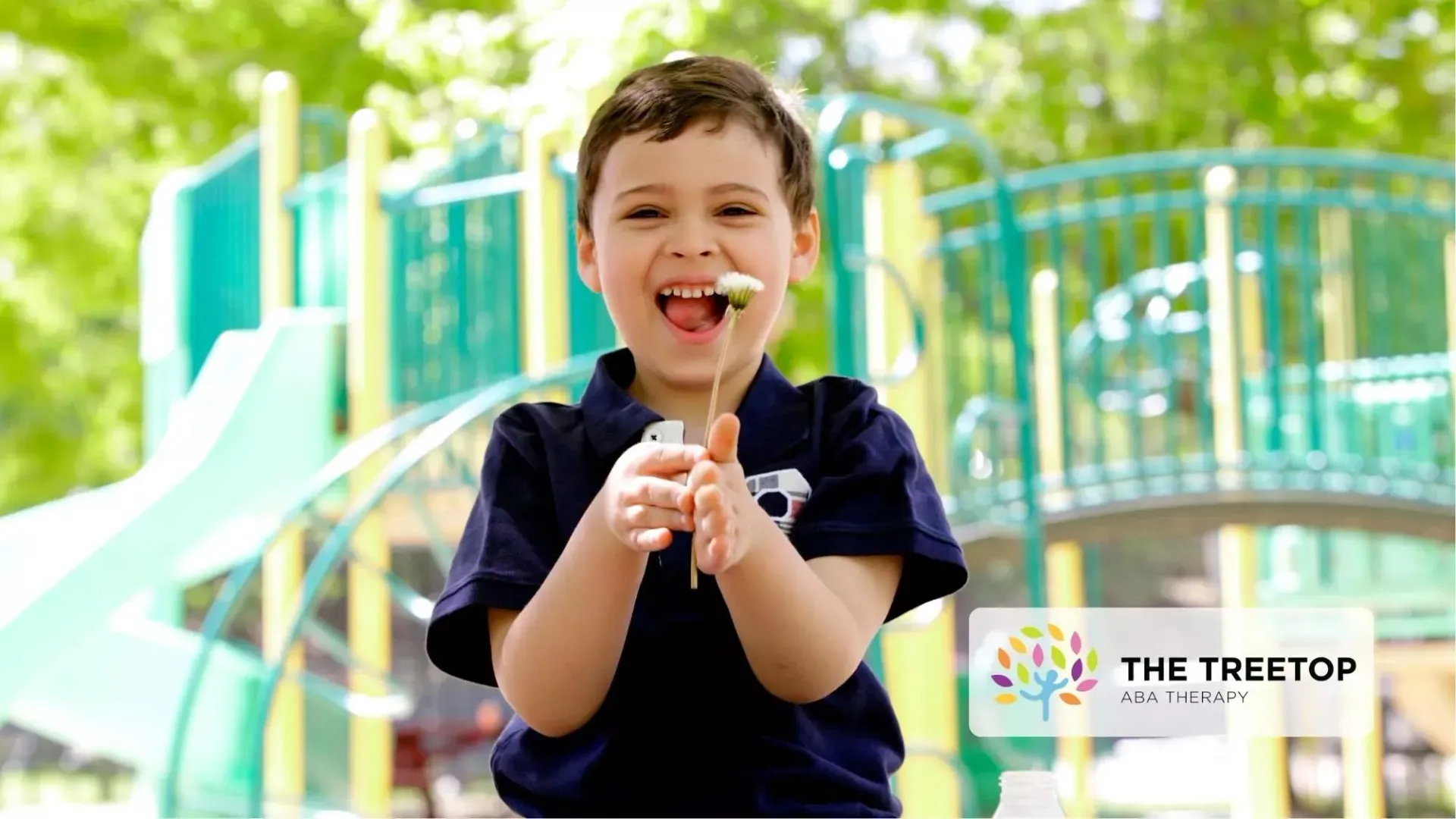
49. Playground play. Swings, slides, climbing structures, and balance beams all provide vestibular and proprioceptive input while building gross motor skills. Visit playgrounds during off-peak hours to reduce sensory overload from crowds and noise. Some communities now have sensory-friendly playgrounds designed with autistic children in mind.
50. Scavenger hunts. Create a list of things to find outdoors (a smooth rock, a yellow flower, something that makes a sound) and explore together. Scavenger hunts combine observation, categorization, and physical activity with the motivating structure of a clear checklist. You can make these as simple or complex as your child's skills allow.

How to Choose the Right Activities for Your Child
With fifty options, it can feel overwhelming to figure out where to start. Here are some practical principles for choosing activities that will work for your child. First, follow their interests. If your child is fascinated by water, start with aquatic activities. If they love animals, explore equine therapy or pet care. Activities connected to existing interests are far more likely to sustain engagement than activities chosen solely for their therapeutic benefit.
Second, consider their sensory profile. If your child is sensory-seeking, activities with strong proprioceptive and vestibular input like trampolining, swimming, or horseback riding may be especially rewarding. If your child is sensory-avoidant, start with lower-intensity activities like drawing, reading, or stargazing and gradually introduce more sensory-rich experiences at their pace.
Third, start small and build. You do not need to commit to an expensive program to get started. Try a sensory bin at home before enrolling in a sensory gym. Play music together before starting formal music therapy. These informal experiences help you learn what your child responds to before you invest time and money in structured programs.
Fourth, talk to your child's therapy team. If your child is already receiving ABA therapy, occupational therapy, or speech therapy, their therapists can help you identify activities that complement the skills being targeted in sessions. Many ABA providers incorporate structured play activities into their programming and can suggest specific ways to extend that practice at home.
Questions to Ask Before Starting a New Activity Program
If you are considering enrolling your child in a structured activity program, here are questions worth asking the program coordinator. What experience does your staff have working with autistic children? What is the student-to-instructor ratio? How do you accommodate sensory sensitivities? Can I observe a session before enrolling? What safety protocols are in place, especially for water-based or animal-assisted activities? Do you use visual supports or other adaptations for children with communication differences?
For therapeutic programs like hippotherapy or aquatic therapy, also ask whether the provider is certified (such as PATH International for equine therapy or the American Hippotherapy Association for hippotherapy), whether a prescription is needed, and whether insurance may cover the cost.
Frequently Asked Questions
What is the single most important activity for an autistic child? There is no single best activity for all autistic children because every child has different strengths, needs, and interests. However, if forced to prioritize, many experts would point to swim lessons because of the disproportionate drowning risk. Columbia University researchers have recommended that swim instruction begin immediately after an autism diagnosis, even before behavioral or speech therapy. Beyond safety, activities should be chosen based on your individual child's needs and interests.
How do I know if my child is benefiting from an activity? Look for signs that go beyond measurable skills. Is your child more engaged? Do they ask to do the activity again? Are they calmer afterward? Do they seem more open to communication during or after the activity? Also look at whether skills practiced during the activity are showing up in other settings, which researchers call generalization. If your child practices turn-taking in board games and then shows better turn-taking at school, that is a strong signal the activity is working.
What if my child refuses to try new activities? Resistance to new experiences is very common for autistic children and does not mean they will not eventually enjoy the activity. Try introducing new activities gradually through visual previews (photos or videos of the activity), social stories about what to expect, brief exposure followed by a preferred activity, and offering choices within the activity rather than presenting it as all or nothing. If resistance persists, respect your child's boundaries and try a different approach or a different activity.
Should activities be structured or unstructured? Both have value. Structured activities with clear rules and expectations, like board games or martial arts, tend to be more accessible for autistic children because they reduce uncertainty. Unstructured activities like free art time or outdoor exploration build flexibility and creativity. A mix of both is ideal. Over time, you can gradually reduce structure in activities as your child becomes more comfortable.
Are these activities a replacement for therapy? No. Activities like those on this list can complement professional therapy (such as ABA, occupational therapy, or speech therapy) but should not be considered replacements. Some activities on this list, such as hippotherapy and aquatic therapy, are formal therapeutic interventions that require trained professionals. Others are recreational activities with evidence-supported developmental benefits that work best when integrated into a broader support plan guided by your child's therapy team.
My child only wants to do one activity repeatedly. Is that okay? Repetition is a natural and often productive learning strategy for autistic children. If your child wants to do the same puzzle, play the same song, or ride the same trail every time, that is fine. You can gently expand their repertoire by introducing small variations within the preferred activity rather than trying to replace it with something completely new. For example, if your child loves puzzles, try puzzles with different themes, different piece counts, or three-dimensional puzzles.
Building a Routine That Works for Your Family
The goal is not to try all fifty activities as quickly as possible. Instead, start with two or three that align with your child's interests and current developmental goals. Practice them consistently, observe how your child responds, and adjust as needed. Share what you learn with your child's therapy team so they can incorporate your observations into your child's overall plan. Over time, you will build a portfolio of activities that your child genuinely enjoys and that support their growth in meaningful ways.
If you have questions about how to integrate activities into your child's therapy plan, or if you are exploring ABA therapy services for the first time, the team at Treetop ABA can help. Reach out to us to learn how our evidence-based programs support children with autism across all areas of development.
Sources
Steinbrenner, J. R., Hume, K., et al. (2020). Evidence-Based Practices for Children, Youth, and Young Adults with Autism. University of North Carolina, Frank Porter Graham Child Development Institute, NCAEP Review Team.
Hume, K., Steinbrenner, J. R., Odom, S. L., et al. (2021). Evidence-Based Practices for Children, Youth, and Young Adults with Autism: Third Generation Review. Journal of Autism and Developmental Disorders, 51(11), 4013–4032.
Guan, J. & Li, G. (2017). Injury Mortality in Individuals with Autism. American Journal of Public Health, 107(5), 791–793.
CDC. Risk Factors for Drowning. National Center for Injury Prevention and Control.
National Autism Association. Autism Safety Facts: Wandering and Drowning.
Ke, X., Song, W., et al. (2022). Effectiveness of Music Therapy in Children with Autism Spectrum Disorder: A Systematic Review and Meta-Analysis. Frontiers in Psychiatry, 13, 905113.
Geretsegger, M., et al. (2014/2022). Music Therapy for People with Autism Spectrum Disorder. Cochrane Database of Systematic Reviews.
Van Hoorn, A., et al. (2024). Aquatic Interventions to Improve Motor and Social Functioning in Children with ASD: A Systematic Review. Review Journal of Autism and Developmental Disorders.
Mische Lawson, L., et al. (2019). A Qualitative Investigation of Swimming Experiences of Children with ASD and Their Families. Clinical Medicine Insights: Pediatrics, 13, 1–9.
Gabriels, R. L., et al. (2015). Randomized Controlled Trial of Therapeutic Horseback Riding in Children and Adolescents with Autism Spectrum Disorder. Journal of the American Academy of Child & Adolescent Psychiatry, 54(7), 541–549.
Rigby, B. R. & Grandjean, P. W. (2016). Effects of Equine-Assisted Activities and Therapies for Individuals with Autism Spectrum Disorder: Systematic Review and Meta-Analysis. International Journal of Environmental Research and Public Health.
Martínez-Morga, A., et al. (2024). Creative Arts Therapy for Autistic Children: A Systematic Review. The Arts in Psychotherapy.
Chen, Y. R., et al. (2022). Art Interventions for Children with Autism Spectrum Disorder: A Scoping Review. American Journal of Occupational Therapy, 76(5).
Mola, G., et al. (2022). Effects of Aquatic Training in Children with Autism Spectrum Disorder. International Journal of Environmental Research and Public Health, 19(10), 6311.
Related articles